13 min read
 17.05.2026
Grant Meaning in 2026: The Ultimate Guide to Grant Definitions, Types, and How to Apply for Funding
Grant Meaning: Definition and Overview in 2026
A ‘grant’ in 2026 refers to a sum of money or resources awarded by a government, organization, or institution to an individual or group for a specific purpose, without an expectation of repayment. Grants are instrumental in supporting activities such as scientific research, nonprofit work, business development, and educational programs. Unlike loans, grants do not impose debt, making them a highly sought-after form of financial support. They enable impactful projects that might not attract private investment.
Leading dictionaries like Merriam-Webster and Cambridge define ‘grant’ as the formal act of giving or allowing something, often by an authority ([Merriam-Webster](https://www.merriam-webster.com/dictionary/grant), [Cambridge English Dictionary](https://dictionary.cambridge.org/us/dictionary/english/grant)). In financial contexts, ‘grant’ most commonly means funding provided by governments, foundations, or corporations to promote specific projects and social objectives. In 2026, grants play a critical role in fostering innovation, supporting communities, and driving progress across sectors. To better understand the diverse world of funding, our resource on understanding grant opportunities covers more foundational definitions and contexts.
Etymology and Usage of ‘Grant’ in Modern English (2026)
The word ‘grant’ comes from Old French ‘graanter’ and Latin ‘credentare,’ meaning to give or permit. Its usage has developed over centuries. In modern 2026 English, it predominantly refers to financial support allocated to drive innovation, education, social change, and economic growth. Today, grants support advancements ranging from technological breakthroughs to grassroots community development.
Types of Grants in 2026: Key Categories and Real Examples
In 2026, grants are typically classified by their source, intended purpose, and the types of entities eligible to receive them. Understanding these categories helps applicants target the funding opportunities most aligned with their goals. Common types include government grants, foundation or nonprofit grants, corporate grants, and academic or research grants.
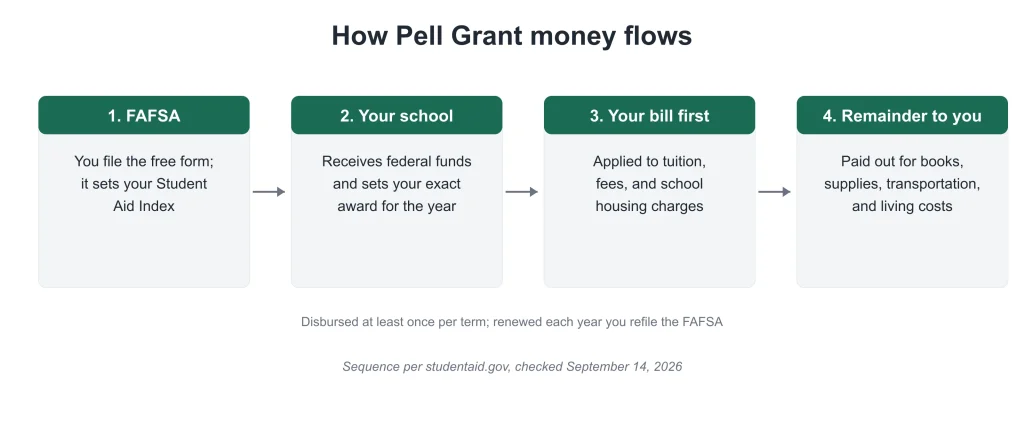
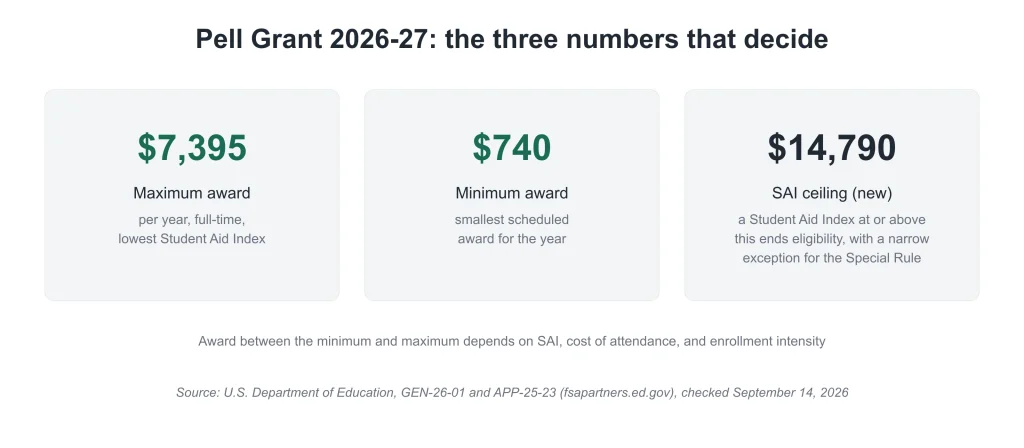
The diversity of grants ensures options for nearly any field or need. For example, the Small Business Innovation Research (SBIR) grant promotes technology startups, SAMHSA grants boost mental health initiatives, and Pell Grants support low-income students in higher education. The National Institutes of Health (NIH) R01 grant is vital to medical research. Local foundations often provide crucial operational support for grassroots nonprofits. Countless organizations and individuals achieve success each year thanks to these and many other grant programs. For a curated list of leading grants across sectors and use cases, explore top grants to apply for in 2026.
Government, Foundation, Corporate, and Research Grants in 2026
In 2026, government grants remain the primary source of large-scale funding, especially for projects that impact public welfare and innovation ([grants.gov](https://www.grants.gov/)). Leading foundations, such as the Gates Foundation, direct funds to global health and social issues, while corporations channel grants into advancing technology or social responsibility causes relevant to their markets. Academic researchers rely heavily on grants from agencies like the National Science Foundation (NSF), which enable breakthroughs across multiple scientific fields. If you are seeking specialized or under-publicized opportunities, consult our guide to untapped grant sources.
How Grants Differ from Loans and Scholarships in 2026
Grants, loans, and scholarships each serve a distinct role in funding projects and education. A grant is a non-repayable award given for a particular use. In contrast, a loan is money borrowed and must be repaid, often with interest. A scholarship is typically awarded for academic merit or special achievement, primarily for educational support.
Understanding these differences is vital for applicants seeking support. Grants are the optimal choice for those wanting financial assistance without future repayment obligations or debts. For a comprehensive comparison with examples, see our full guide at grants vs. loans explained.
Key Differences Between a Grant, Loan, and Scholarship in 2026
Grants are generally awarded based on a project’s potential benefit or community impact. Loans, on the other hand, must be repaid, which can hinder those with limited financial resources. Scholarships are mostly merit-based and intended for students or researchers, usually linked to academic accomplishments rather than the objective benefits of a project.
History and Purpose of Grants in 2026
Grants have supported progress for centuries, initially distributed as gifts or allocations by rulers and philanthropists. By the 20th century, they became systematized tools for governments and private institutions to drive innovation and solve societal challenges. In 2026, grants have evolved into highly structured financial instruments designed to maximize impact and foster growth in sectors as diverse as health, education, technology, and the arts.
The primary purpose of a grant is to enable advancement and problem-solving where private investment may be insufficient. Grants support solutions to public health challenges, bolster underserved communities, advance research, strengthen the arts, and expand educational access. They are often the catalysts for change where traditional market forces may not step in.
Grants as a Driver of Innovation and Social Change in 2026
Significant societal advancements—from the fight against diseases to environmental preservation—have often begun with grant funding. In 2026, funders such as the European Commission’s Horizon Europe program and the U.S. Department of Education invest billions in initiatives that improve lives, set new standards for research, and create inclusive opportunities on a global scale.
Who Can Apply for Grants in 2026?
Grant eligibility in 2026 is diverse and varies depending on the funder and program. Nonprofits, schools, research institutions, businesses (especially small and innovative ones), and individuals are all potential applicants. For example, university faculty members may apply for NSF grants, while local entrepreneurs might qualify for economic development funding. Whether for scientific innovation, social change, or small business growth, there is often a grant tailored to the applicant’s needs.
Eligibility requirements are specific to each program. Applicants typically need to document their organizational background, detail their project plans, and clarify how funding will be used for maximum impact. For business-focused resources, see the best small business grants for 2026. Nonprofits can refer to the ultimate guide to nonprofit grants for tailored guidance.
Application Process and Typical Requirements in 2026
The grant application process in 2026 generally involves preparing a structured proposal. This proposal should clearly state the project’s purpose, anticipated results, and detailed budget. Applicants are often asked for supporting materials such as proof of eligibility, an organizational snapshot, and evidence demonstrating the likely impact of their proposed work. Careful attention to instructions and deadlines significantly enhances the chance of success. If you want to avoid the most common application pitfalls, review the top 10 grant application mistakes.
Grant Meaning in 2026: Real Examples and Notable Grant Recipients
The transformative power of grants in 2026 is evident in the achievements of actual recipients and their funded projects. Noteworthy beneficiaries include medical researchers developing life-saving vaccines, small businesses pioneering clean energy solutions, and nonprofits cultivating youth leadership across communities.
For instance, the Bill & Melinda Gates Foundation distributed grants that accelerated progress in malaria research. The National Endowment for the Arts fueled the work of emerging artists, while SAMHSA directed much-needed mental health support to local agencies ([SAMHSA Grants](https://www.samhsa.gov/grants)). These examples capture the essential nature of ‘grant meaning’: empowering individuals and organizations to effect positive societal change.
How Grant Funding Shapes Projects in 2026
Grant-supported initiatives routinely scale faster, serve more people, and deliver greater impact than those dependent solely on private capital. Read more about successful projects and opportunities in our coverage of top 26 grants to apply for in 2026.
Frequently Asked Questions (2026)
What is the meaning of a grant in 2026?
A grant in 2026 is a financial award given by a government, foundation, corporation, or institution to support a specific project, purpose, or initiative. Unlike loans, grants do not require repayment. They are widely used to support research, education, business, and nonprofit work.
How is a grant defined in finance in 2026?
In 2026 financial terms, a grant is a non-repayable fund or product provided by a grantmaker—often a government, corporation, foundation, or trust—to assist recipients with project development, research, nonprofit initiatives, or specific economic and social goals.
What types of grants are most common in 2026?
The most common types of grants in 2026 are government grants (such as SBIR, NIH), foundation grants (like the Gates Foundation), academic and research grants, corporate social responsibility grants, and educational grants such as Pell Grants. Each addresses different needs and recipients.
How do you qualify for a grant in 2026?
Qualification depends on a grant’s goals and eligibility rules, which might specify nonprofit status, business type, individual achievement, or specific project criteria. Applicants usually submit a detailed proposal, demonstrate impact, and provide a budget and supporting documents.
What is the difference between a grant, loan, and scholarship in 2026?
A grant in 2026 is funding awarded for targeted activities with no repayment required. A loan is borrowed money that must be paid back, generally with interest. A scholarship is mainly an educational award, based on merit or need, without repayment but tied to academic achievement.
Conclusion (2026)
Understanding ‘grant meaning’ in 2026 is crucial for anyone seeking financial support for projects, research, education, business growth, or community development. Grants remain among the most effective tools for enabling positive change because they do not require repayment and are often designed to address critical priorities identified by funders.
This guide explored the definition and evolving context of grants, provided practical examples, clarified the distinctions between grants, loans, and scholarships, and outlined common eligibility requirements and categories. In 2026, countless applicants will bring their ideas to life, thanks to the diversity of grant programs available worldwide.
To move forward confidently, align your project with relevant grant opportunities and make sure you understand the fundamentals of grant funding. Every winning proposal stems from a clear grasp of what a grant entails, the expectations of funders, and how your mission aligns with their goals.
Start your grant journey today—explore our in-depth guides and browse current funding opportunities to find the perfect grant for your goals in 2026!
About Grants (2026)
Find grants with our guides.
Visit https://grants.com/wizard to start.