4 min read
 04.02.2026
Grant Application Process Changes 2026-2026: Key Updates, Digital Tools & Eligibility (2026 Guide)

Grant Application Process Changes (2024-2026): What You Need to Know
Between 2024 and 2026, the grant application process has undergone a major transformation. Applicants now face updated grant requirements, advanced digital submission tools, and increased competition for limited funding. Navigating these changes is crucial for anyone seeking government, nonprofit, or private grants in 2026. For a foundational understanding of grants, their types, and how to apply, see our comprehensive guide: What is a Grant? Definition, Types, Eligibility & How to Apply (2026 Guide).
Key developments in the grant application process include the widespread adoption of digital submission systems, revised eligibility standards, and the integration of automation and artificial intelligence in application review. Staying informed about these trends helps applicants improve their chances of grant success. If you’re new to the process, our step-by-step grant process guide for 2026 can help you get started.
2026 Grant Regulatory Updates: Compliance & Documentation
Federal and state agencies have introduced new grant regulations to boost transparency and accountability. For example, the 2026-27 FAFSA form and Pell Grant eligibility rules now reflect changes in income assessment and family contribution calculations ([FSA Knowledge Center](https://fsapartners.ed.gov/knowledge-center/library/electronic-announcements/2025-08-15/2026-27-fafsa-form-and-pell-grant-eligibility-updates)).
Applicants must submit more detailed documentation and meet stricter deadlines. These regulatory changes aim to ensure fairer distribution of funds and minimize fraud. Some agencies now require digital verification of income and identity, reducing the risk of errors or misrepresentation. For a full checklist of required documents, see our essential grant application documents guide for 2026.
Digital Transformation: Online Grant Portals & Application Tools
Digital grant management has rapidly advanced, with most applications now handled through online portals such as [Grants.gov](https://www.grants.gov/). Enhanced user interfaces, real-time status tracking, and integrated document uploads have made the grant application process more efficient and user-friendly.
Early account creation is recommended, as is familiarizing yourself with new portal features. Many platforms now offer deadline reminders, automated error checks, and instant notifications. These tools help applicants avoid common mistakes and track their progress throughout the review process. For more tips on avoiding common pitfalls, check out our article on 7 common grant application mistakes and how to avoid them in 2026.
2026 Grant Eligibility & Compliance Requirements
Eligibility criteria for 2026 grants have been updated to emphasize project impact, organizational capacity, and compliance history. For example, Pell Grant changes now consider broader definitions of family and income sources ([Investopedia Pell Grant Changes](https://www.investopedia.com/5-pell-grant-changes-to-expect-in-2026-11859555)).
Applicants must provide updated documentation, demonstrate clear need, and comply with new reporting standards. Some grants now require evidence of past project outcomes or third-party audits. Reviewing each grant’s specific guidelines is crucial, as requirements can vary widely. For more on who qualifies and how to apply, see our detailed guide to grant eligibility criteria for 2026.
AI & Automation in Grant Applications: How to Succeed in 2026
Artificial intelligence and automation now play a significant role in reviewing and scoring grant applications. These technologies help reduce human bias, speed up evaluations, and flag incomplete or non-compliant submissions.
To avoid automatic disqualification, applicants should submit clear, well-organized proposals and ensure all required fields are complete. For instance, some systems now auto-reject applications missing key attachments or with inconsistent data. Using plain language and logical structure can also improve your chances during automated reviews. For expert tips on writing a winning grant proposal in 2026, see our step-by-step guide.
Federal vs. Private Grant Processes: Key Differences in 2026
Both federal and private grantmakers have adopted digital tools, but important differences remain. Federal grants typically feature standardized processes and rigorous compliance checks. In contrast, private foundations may offer more flexibility but often expect tailored proposals and a strong alignment with their mission.
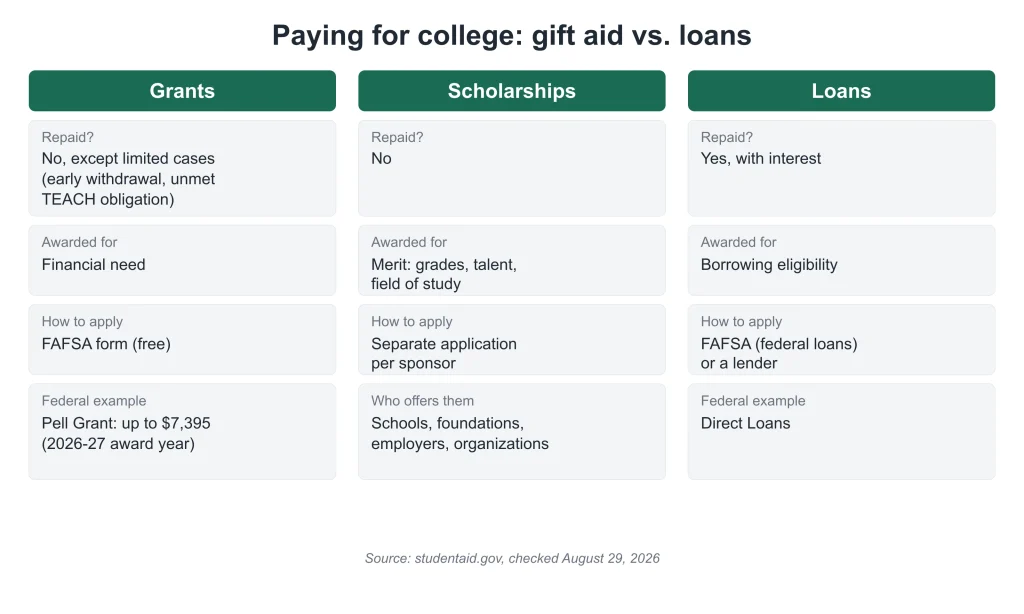
Understanding these distinctions helps applicants target the right grant opportunities and adapt their strategies. For example, a nonprofit seeking federal funding should prioritize compliance and documentation, while those applying to private foundations should focus on storytelling and demonstrating mission fit. To learn more about the differences between grants, loans, and scholarships, read our in-depth comparison guide.
About Grants
Find grants with our guides.
Visit https://grant.com to start.