5 min read
 04.02.2026
Top Education and Research Grants for 2026: How to Find & Apply for Funding

Overview of Education and Research Grants in 2026
Education and research grants are essential financial awards that support students, educators, and researchers in the United States. These funding opportunities, provided by government agencies, private foundations, and organizations, can help cover tuition, research costs, institutional improvements, and more. In 2026, a wide variety of education and research grants will be available for individuals and institutions nationwide.
Grants serve multiple purposes, such as advancing scientific research, expanding educational access, and supporting underrepresented groups. Understanding the main types of education and research grants, as well as their eligibility requirements, can help you focus your search and boost your chances of success. For example, some grants prioritize STEM innovation, while others focus on community impact or educational equity. To learn more about the basics, see our guide on what is a grant, types, eligibility, and how to apply.
Types of Education and Research Grants Available in 2026
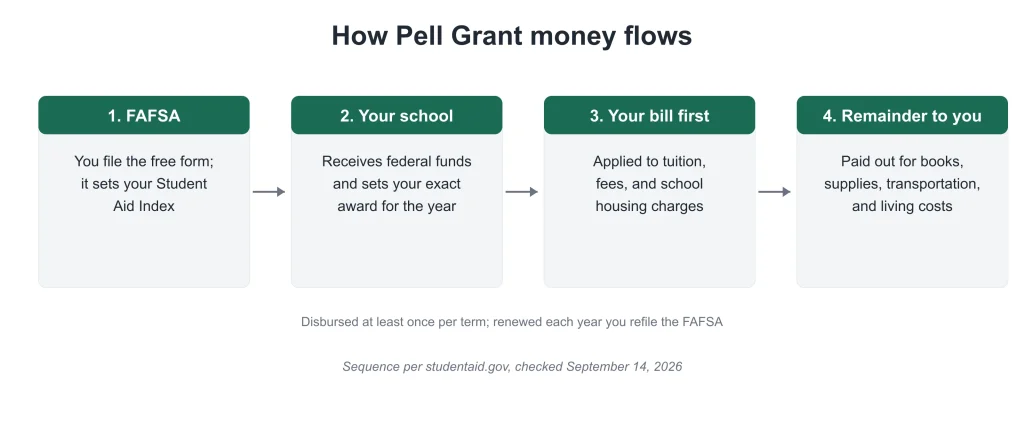
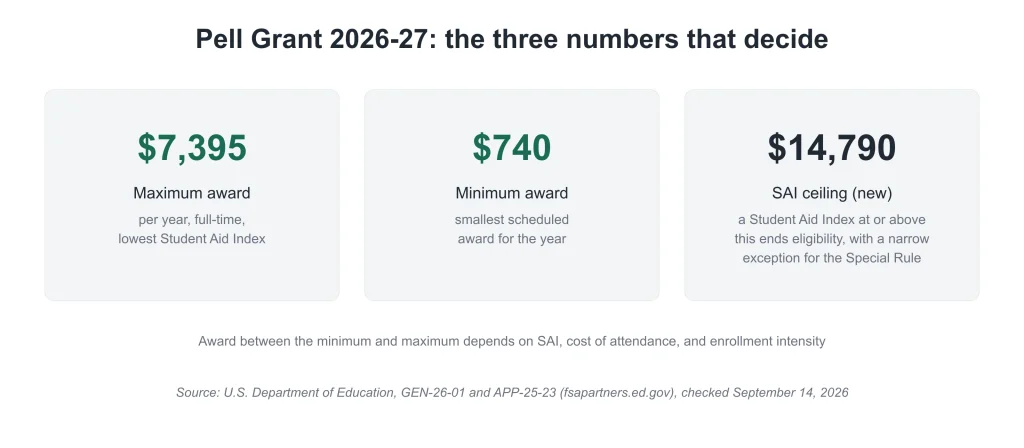
In 2026, education and research grants will be offered in several forms. Federal grants, such as Pell Grants and National Science Foundation (NSF) research awards, remain prominent sources of funding. State governments also provide grants tailored to local needs. Private foundations, including the Gates Foundation and Ford Foundation, fund both student scholarships and research initiatives. Many colleges and universities offer institutional grants for their own students and faculty.
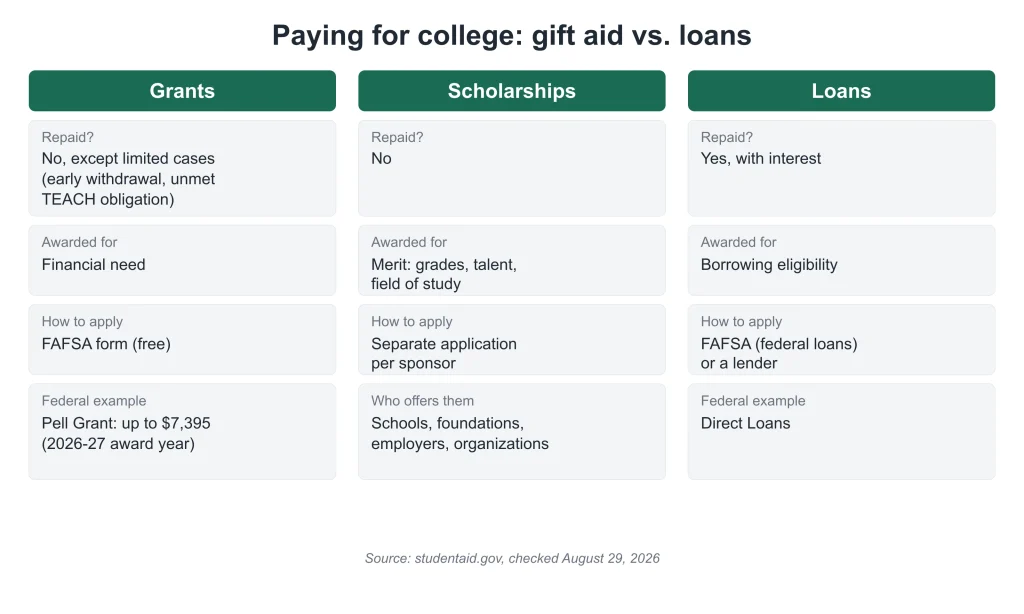
Different grants target specific groups. Undergraduate and graduate students may seek scholarships or tuition assistance, while faculty and researchers often pursue project-based funding or fellowships. For example, the NSF Graduate Research Fellowship supports early-career scientists, while the TEACH Grant assists future educators. Identifying which grant aligns with your background and goals is crucial. For a detailed breakdown of grant types and how to find the right fit, check out our step-by-step grant process guide.
Key Grant Providers and Funding Agencies for 2026
Several major organizations will offer education and research grants in 2026. The U.S. Department of Education provides funding for students, schools, and research projects. The National Science Foundation supports scientific research and STEM education. State education agencies often run grant programs for local residents and institutions. Private foundations, such as the Spencer Foundation, focus on specific fields or populations.
To find opportunities, use trusted platforms like Grants.gov, FederalGrantsInfo.com, and USGrants.org. These sites aggregate listings from federal, state, and private sources. Reviewing each provider’s mission and funding priorities helps you tailor your applications. For example, the Department of Education emphasizes access and equity, while the NSF prioritizes innovation and scientific advancement. For more on where to find grants and top databases, see our guide to the best grant search websites for 2026.
Eligibility Criteria and Requirements for Education and Research Grants
Eligibility for education and research grants varies widely. Common criteria include academic achievement, field of study, financial need, or institutional affiliation. Some grants are open to individuals, while others require applications from teams or organizations. For example, the Fulbright Program requires U.S. citizenship and a bachelor’s degree, while some state grants are limited to residents.
Before applying, carefully review each grant’s eligibility rules and required documents. Typical requirements include transcripts, research proposals, letters of recommendation, and proof of enrollment or employment. Some programs may also request a personal statement or evidence of community service. Preparing these materials in advance can streamline your application process. For a comprehensive overview of eligibility, visit our guide on grant eligibility criteria and how to apply for grants in 2026.
How to Search for Education and Research Grants Online
Online databases are the most efficient way to find current education and research grants for 2026. Grants.gov serves as the primary portal for federal grants, while USGrants.org and FederalGrantsInfo.com offer curated listings from various sources. Many universities also maintain their own grant directories for students and faculty.
To refine your search, use filters such as field of study, applicant type, location, and deadline. Setting up email alerts ensures you stay updated on new opportunities. Additionally, subscribing to newsletters from major grant providers can help you discover lesser-known programs. For more tips on finding and applying for grants, see our step-by-step guide to the grant process.
Application Process and Timeline for 2026 Grants
Applying for education and research grants involves several key steps. First, register on the provider’s portal and review the application guidelines. Next, gather all required documents, such as transcripts and proposals. Most grants for 2026 will open for applications in late 2025 or early 2026, but deadlines vary by program.
To stay organized, create a calendar of important dates and set reminders for each stage of the process. Strong applications are clear, concise, and tailored to the grant’s goals. Consider asking mentors or colleagues to review your materials before submission. Early preparation increases your chances of success. For a full walkthrough of the application process, read our step-by-step grant process guide.
About Grants
Find grants with our guides.
Visit https://grant.com to start.