6 min read
 23.01.2026
How to Write a Winning Grant Proposal in 2026: Step-by-Step Guide & Expert Tips

Grant Proposal Basics: What You Need to Know
A grant proposal is a formal request for funding submitted to a grant-making organization. Its main goal is to persuade funders that your project is valuable and aligns with their mission. Effective grant proposals clearly define the problem, present a practical solution, and demonstrate your capacity to achieve results. For a deeper dive into what a grant is and the different types available, see our guide on [what is a grant: definition, types, eligibility, how to apply](what-is-a-grant-definition-types-eligibility-how-to-apply-2026-guide).
Before drafting your grant proposal, take time to research the funder’s mission, eligibility rules, and application instructions. Tailoring your proposal to each funding opportunity demonstrates attention to detail and increases your chances of success. For instance, if a funder prioritizes youth education, highlight how your project addresses this area. To ensure your project aligns with the funder’s priorities, read about [mission alignment in grant seeking](mission-alignment-in-grant-seeking-why-it-matters-how-to-avoid-misaligned-grants).
Types of Grants & Their Requirements
Grants come in several forms, including government grants, foundation grants, corporate grants, and research grants. Each grant type has distinct requirements for eligibility, documentation, and evaluation. For more on eligibility and how to apply, visit our article on [grant eligibility criteria: who qualifies & how to apply](grant-eligibility-criteria-who-qualifies-how-to-apply-for-grants-in-2026).
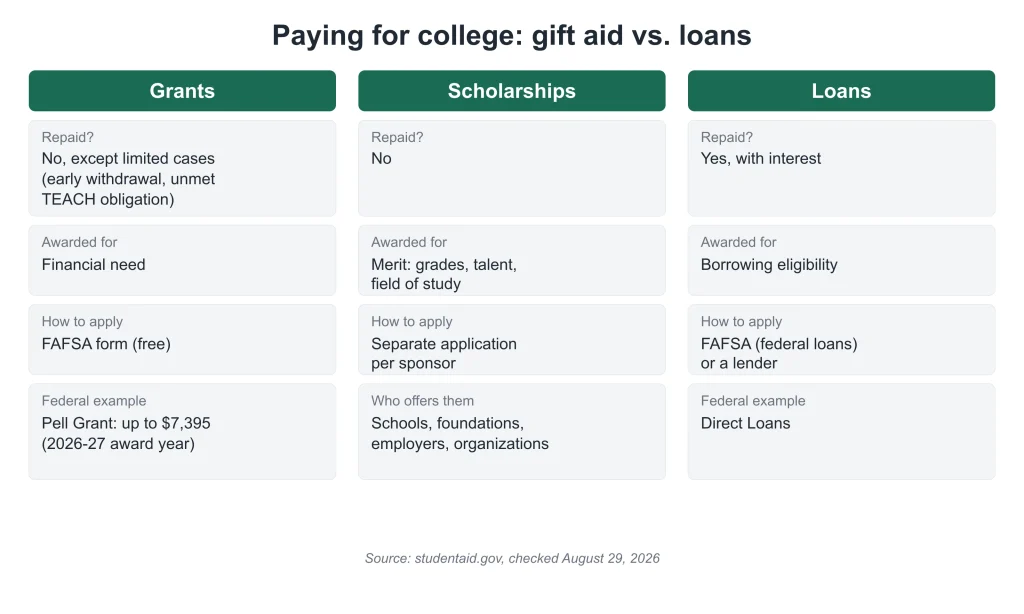
Government grants, for example, often demand detailed budgets and strict reporting. Foundation grants may emphasize community impact or innovation. Corporate grants sometimes look for partnerships or employee involvement. Reviewing the funder’s website and analyzing previously funded projects can reveal what they value most. If you’re interested in the differences between grants, loans, and scholarships, check out [grants vs loans vs scholarships: key differences & how to apply](grants-vs-loans-vs-scholarships-key-differences-eligibility-how-to-apply-2026-guide).
How to Research Grant Funding Opportunities
Identifying the right grant is as crucial as writing a strong proposal. Use grant databases, funder directories, and professional associations to find opportunities that fit your project’s goals and your organization’s profile. For a step-by-step approach, see [how to find grants that fit your project](how-to-find-grants-that-fit-your-project-step-by-step-guide-for-2026).
Focus on grants that match your mission, location, and project type. Always check eligibility criteria and deadlines before investing time in an application. For example, if your project serves rural communities, seek funders with a rural focus. This targeted approach saves time and boosts your odds of success. You can also explore [where to find grants: top databases and directories](where-to-find-grants-top-grant-databases-directories-tips-for-2026) for more resources.
Key Components of a Successful Grant Proposal
A well-structured grant proposal typically includes these essential sections:
1. Executive Summary: Briefly introduce your project and funding request.
2. Statement of Need: Use data and evidence to explain the problem you aim to solve.
3. Project Description: Outline your plan, objectives, activities, and timeline.
4. Organization Background: Highlight your qualifications and relevant experience.
5. Budget: Provide a clear, justified breakdown of costs.
6. Evaluation Plan: Describe how you will measure project success.
7. Appendices: Attach supporting documents, letters of support, or relevant data.
Each section should be concise, persuasive, and tailored to the funder’s interests. For example, in the budget section, explain why each expense is necessary and how it supports your goals. For a comprehensive overview, see our [grant proposal guide: definition, types, key components, writing tips](grant-proposal-guide-2026-definition-types-key-components-writing-tips).
Common Grant Proposal Mistakes to Avoid
Many grant proposals are declined due to avoidable errors. Frequent mistakes include:
– Ignoring instructions or missing deadlines
– Submitting generic proposals not customized for the funder
– Weak or vague problem statements
– Budgets that are incomplete or unrealistic
– Failing to define measurable outcomes
To avoid these pitfalls, carefully follow guidelines, proofread your proposal, and seek feedback from colleagues or mentors. For instance, use a checklist to ensure you meet all requirements before submitting. For more on this topic, read [7 common grant application mistakes and how to avoid them](7-common-grant-application-mistakes-and-how-to-avoid-them-in-2026).
Tips for Writing a Compelling Grant Proposal Narrative
A compelling narrative can set your grant proposal apart. Use clear, direct language and focus on the impact your project will have. Tell a story that connects emotionally with reviewers, while supporting your claims with data and evidence.
Showcase your organization’s strengths, the urgency of the problem, and the benefits of your solution. Vary your sentence structure to maintain reader interest. Incorporate testimonials, case studies, or visuals to make your proposal more persuasive. For example, a brief story about a beneficiary can illustrate the real-world impact of your work. For expert advice, see [grant proposal writing: expert tips to win more funding](grant-proposal-writing-expert-tips-to-win-more-funding-in-2026).
Grant Proposal FAQs: Your Top Questions Answered
Q: How do I write a successful grant proposal?
A: Follow the funder’s guidelines, present a clear need, offer a realistic solution, and provide a detailed budget and evaluation plan. For a step-by-step approach, check out [how to write a winning grant proposal: step-by-step guide](how-to-write-a-winning-grant-proposal-step-by-step-guide-for-2026).
Q: What are the key elements of a grant proposal?
A: Executive summary, statement of need, project description, organization background, budget, evaluation plan, and supporting documents. For more details, see [essential grant application documents: complete checklist & expert tips](essential-grant-application-documents-complete-checklist-expert-tips-2026-guide).
Q: How do I find the right grant for my project?
A: Research using grant databases, funder websites, and professional networks. Match your project to the funder’s priorities and eligibility. For more, read [how to find and apply for grants: types, eligibility, winning tips](how-to-find-and-apply-for-grants-types-eligibility-winning-tips-2026-guide).
Q: What mistakes should I avoid in a grant proposal?
A: Missing instructions, submitting generic proposals, unclear objectives, incomplete budgets, and lack of measurable outcomes. See [top reasons grant applications get rejected and how to avoid them](top-reasons-grant-applications-get-rejected-and-how-to-avoid-them-in-2026).
Q: How do I write a compelling grant proposal narrative?
A: Tell a clear, evidence-based story, focus on impact, and use persuasive, jargon-free language. For more tips, visit [how to write a winning grant application in 2026: expert tips, common mistakes, and review criteria](how-to-write-a-winning-grant-application-in-2026-expert-tips-common-mistakes-and-review-criteria).
Q: What should be included in a grant proposal budget?
A: Detailed breakdown of costs, justification for each item, and alignment with project activities. For guidance, see [how detailed should a project budget be in a grant application?](how-detailed-should-a-project-budget-be-in-a-grant-application-expert-guide-for-2026).
About Grants
Find grants with our guides.
Visit https://grant.com to start.