


 4 min read
 06.03.2026
How to Build Powerful Partnerships for Grant Proposal Success

The Importance of Partnerships in Grant Proposals
In today’s competitive funding environment, grant makers increasingly seek collaborative efforts that maximize positive outcomes. Partnerships within a grant proposal signal that an applicant is resourceful, enjoys community buy-in, and stands prepared to achieve more through collective action. Demonstrating partner support can reduce risk in the eyes of funders and expand both reach and effectiveness of the proposed project.
Strong partnerships display your organization’s commitment to leveraging diverse expertise, sharing resources, and addressing community needs collaboratively. Many funders prioritize proposals that unite multiple stakeholders—such as nonprofits, businesses, academic institutions, or government agencies—to deliver innovative and sustainable solutions. For more tips on ensuring your grant application stands out, visit our comprehensive guide on what are the best secrets for winning a grant (2026).
Types of Partnerships: Community, Corporate, Academic, and More
Effective grant proposals can highlight various types of partnerships, each offering distinct advantages:
Community Organizations: Collaborating with local groups ensures your project targets real community needs and earns grassroots support.
Corporate Partners: Businesses can provide in-kind donations, matching funds, or professional expertise that elevates your initiative.
Academic Institutions: Schools, colleges, and universities often contribute research skills, data analysis, and student engagement.
Government Agencies: These partners lend policy expertise, critical data, and regulatory backing.
A diverse set of partners creates a robust foundation and communicates to funders that your project takes a comprehensive, multi-sector approach. To learn about the best funding options for small businesses, check out our list of 12 best small business grants for 2026.
Identifying Potential Partners
Begin by mapping stakeholders whose missions align with your project’s goals. Look for partners offering complementary skills, resources, or networks. Organizations already working in your target area—or those with a clear interest in your outcomes—are prime candidates.
Review previous collaborations, sector alliances, and recent grant awards to discover strong prospects. Consider each partner’s reputation, objectives, and level of commitment. List the specific contributions potential partners can make, such as funding, credibility, logistical assistance, or access to key populations. If you’re looking for less obvious sources, read our guide on how to find hidden small business grants from untapped funding sources.
Establish open communication early. Set clear expectations and discuss how collaboration will produce mutual benefits. Honest conversations from the start foster trust and set the stage for lasting partnerships.
Approaching and Engaging Partners
When reaching out to prospective partners, tailor your communication to their interests and priorities. Share the vision behind your proposal and explain how the partnership could further shared objectives. Clearly state what you are seeking—whether it’s time, resources, or a formal letter of support.
Invite feedback and be willing to adapt your plan to integrate the partner’s expertise. Building trust requires transparent discussion of roles, expectations, and decision-making processes upfront. For more advice on approaching organizations for collaboration, consider reviewing this step-by-step guide to writing a winning grant proposal.
Formalizing Partnership Agreements
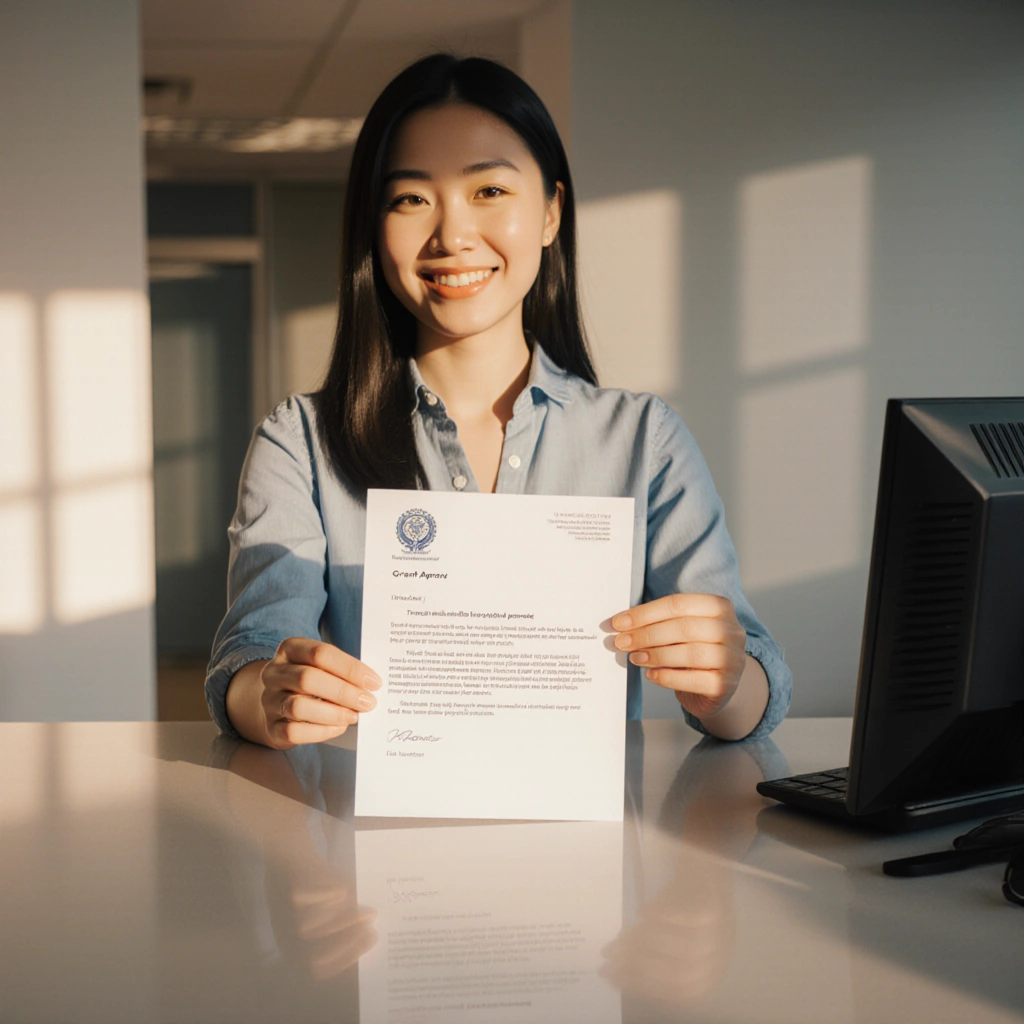
Solidify the relationship with a memorandum of understanding (MOU), letter of commitment, or formal agreement. These documents clearly outline each partner’s roles, responsibilities, and expected contributions.
A strong agreement also details deliverables, timelines, and communication channels. Funders often require these documents as evidence of active, meaningful collaboration. Not sure what documentation is required? Review the essential grant proposal documentation checklist for details.
Communicating Shared Goals and Missions
Within your grant proposal, articulate how each partnership supports the project’s mission and objectives. Explain how the combined efforts enhance outcomes, efficiency, and sustainability.
Highlight any history of successful collaboration or potential for long-term partnership. This builds credibility and reassures funders that your proposal is backed by genuine, productive alliances. To avoid common pitfalls in proposal writing, see top 10 common grant application mistakes and how to avoid them for funding success.
About Grants
Find grants with our guides.
Visit https://grants.com/wizard to start.
Recent Posts





How to Maximize Grant Funding for Educational Programs in 2026: Proven Strategies for Winning More Grants


Essential Steps for Nonprofits Seeking International Grants in 2026: Expert Guide to Global Funding Success


Share This Post


