


 13 min read
 27.06.2026
How to Build a Winning Team for Collaborative Grant Projects in 2026: Ultimate Guide to Success
Defining Collaborative Grant Projects in 2026
Collaborative grant projects in 2026 are shaped by teams of organizations—often spanning nonprofit, academic, government, and community partners—working jointly to secure ambitious funding. These initiatives combine resources, knowledge, and strategic direction to achieve goals individual groups cannot reach alone. Funders in 2026 increasingly view such collaboration as essential for tackling systemic challenges in fields like climate change, public health, education, and social justice. For teams looking to maximize their grant-seeking effectiveness, understanding the top 26 grants to apply for in 2026 provides a competitive starting advantage.
Modern grantmakers expect partners to demonstrate not only joint effort but also meaningful, equitable involvement across all stakeholders. Digital platforms, such as Fluxx’s Grants Management Software System, and adaptive models from organizations like Pop Culture Collaborative, have made cross-sector partnership management more dynamic and transparent. Teams are required to be agile, communicate proactively, and align closely on objectives. As grant requirements evolve, the expectation for true collaboration and integrated impact grows more demanding each year.
What Sets Collaborative Grant Projects Apart in 2026?
Collaboration in 2026 is the standard, not the exception. Funding bodies prioritize proposals that reflect deep, mutual partnerships where every member offers a unique, essential contribution. Platforms like Fluxx and resources from the Wikimedia Foundation’s Community Resources Team streamline cross-organizational communication and project management. The capacity to present a unified vision, merged skill sets, and strong project integration is now a distinguishing advantage in the grant process. For further insights on how standout partnerships can elevate your proposal, review how to build powerful partnerships for grant proposal success.
Key Roles and Responsibilities in Grant Teams for 2026
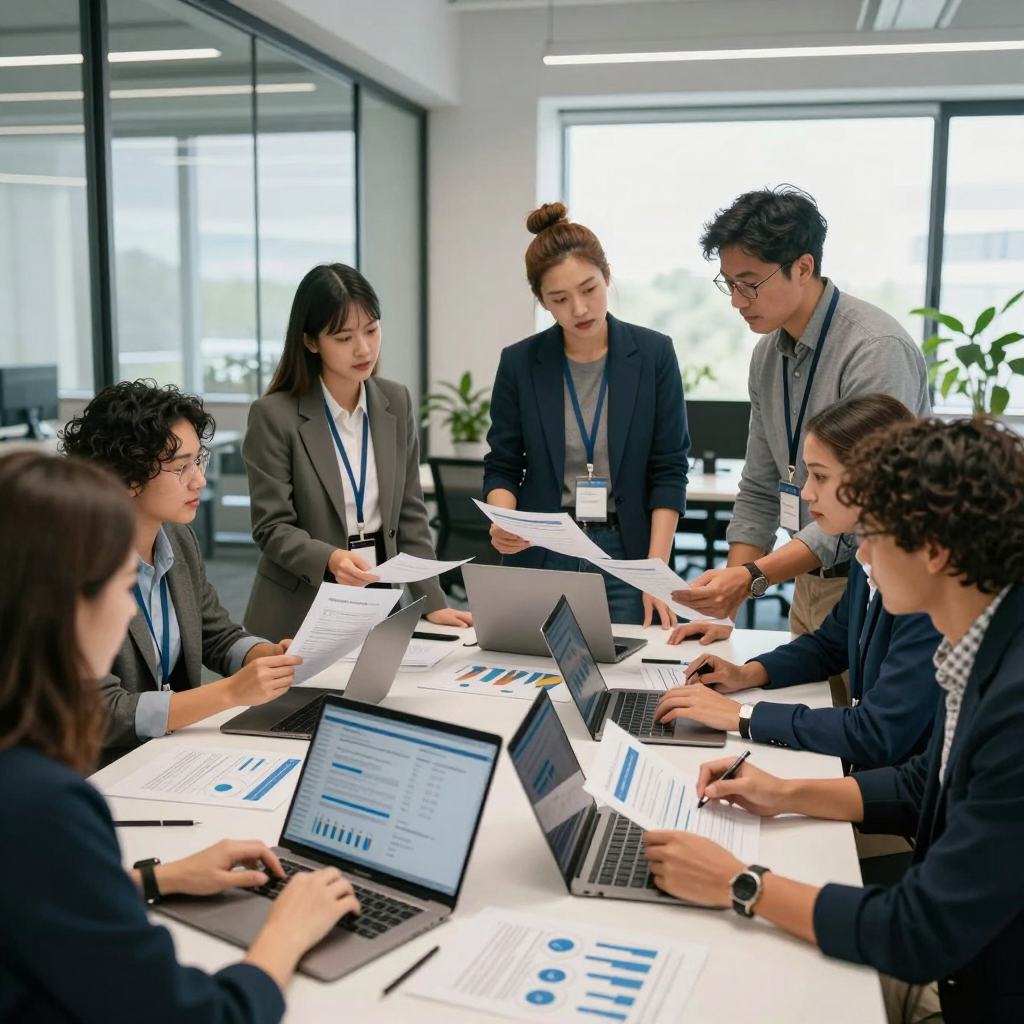
Success in collaborative grant projects depends on more than just assembling talented individuals. In 2026, effective teams are intentionally designed with clear structure, defined responsibilities, and interdependent roles. Core positions often span leadership, finance, subject expertise, writing, partner coordination, and technology facilitation.
Models such as those championed by AlignCollaborate underscore the value of flexible partnerships and tailored equity strategies. Early clarity around assignments, deliverables, and accountability can help large, multi-entity teams avoid project delays or miscommunication. Clearly mapping out each partner’s duties ensures maximum efficiency and collective impact. To make sure your team doesn’t miss critical tracking or compliance steps, see these proven strategies for effective grant tracking success.
Essential Roles for Collaborative Grant Projects in 2026
A winning grant team in 2026 typically includes a project director to maintain strategic alignment, a grants manager handling submissions and reporting, a finance administrator ensuring budget compliance, subject-matter experts contributing technical depth, a communications lead overseeing partner engagement and public messaging, and compliance officers monitoring regulatory adherence. For expansive or cross-border initiatives, legal advisors and technology facilitators—especially for workflow and platform integration—are invaluable additions.
Criteria for Selecting Team Members in 2026
Choosing effective team members in 2026 sets the foundation for grant project success. Prior experience with collaborative grants, proficiency with new technologies, and cultural competence are now critical metrics. Funders expect diverse teams capable of creative problem-solving and inclusive engagement; this means evaluating candidates for lived experience, technical skills, and adaptability.
Assessments should weigh grant-writing skill, history of multi-organization collaboration, and alignment with the project’s mission. Familiarity with digital platforms like Fluxx or GrantTree’s innovation grant systems can be a deciding factor. Teams that include a mix of perspectives, communication strengths, and consistent delivery stand out in a crowded grant landscape. Teams can also benefit from revisiting the building blocks of partnership-driven proposals.
How to Assess Fit and Commitment in 2026
Use structured behavioral interviews and thorough reference checks to gauge candidates’ ability to thrive under multi-organization deadlines. Prioritize those who show a track record of managing complex collaborations, handling conflict constructively, and embracing evolving grant management tools. Highlight flexibility, accountability, and a passion for ongoing learning as core selection criteria.
Building Partnerships with Other Organizations in 2026
Forming the right partnerships is vital for collaborative grant success in 2026. Strategic alliances bring expanded resources, increased credibility, and broader community reach. Look beyond formal agreements—seek partners with strengths that fill your organization’s gaps, whether in evaluation, outreach, or technical expertise.
In practice, successful partnerships are grounded in shared values, joint decision-making, and mutual benefit. These collaborations often deliver stronger infrastructure and community connections, essential when funders scrutinize partnership depth. Studying examples such as Pop Culture Collaborative and the Wikimedia Community Resources Team can inform robust partnership models.
Establishing and Managing Partnerships in 2026
Initiate open dialogue with potential partners early. Schedule routine meetings and use these to align goals, clarify responsibilities, and define decision-making procedures. Draft joint work plans that account for all partners’ capacities and reporting needs. Leverage digital grant management platforms like Fluxx to maintain transparent data sharing, synchronized deadlines, and real-time progress tracking. For practical tips on making your partnerships more strategic, explore step-by-step partnership guides.
Strategies for Effective Team Communication in 2026
Efficient communication is non-negotiable in collaborative grant projects by 2026. With complex deliverables, fixed timelines, and distributed partners, even minor lapses can impact the whole initiative. Successful teams adopt digital solutions—Slack, Zoom, Google Workspace, or enterprise systems like Fluxx—to centralize documents, track deliverables, and maintain clear records.
Regular check-ins, clear protocols for updates, and open-door policies ensure that everyone is informed and empowered to voice concerns. Building psychological safety means feedback is welcomed, and all members participate in refining project plans. Good documentation—particularly for decisions and task handoffs—prevents confusion and keeps momentum strong in highly collaborative, cross-organizational environments. If you’re looking for more ways to improve grant reporting and communication, review the top grant project management best practices.
Overcoming Common Communication Challenges in 2026 Grant Teams
Typical issues include information bottlenecks, vague task assignments, and digital overload. Assign a communication lead responsible for meeting cadence, time zone coordination, and agenda structure. After meetings, share concise written recaps and actionable steps. Utilize grant management technology, as recommended by GrantTree’s 2026 Innovation Grant Funding, to set automated reminders and monitor accountability across teams.
Leadership Styles for Collaborative Grants in 2026
Effective leaders in 2026 collaborative grant teams focus on enabling success across organizational boundaries. Rather than relying on top-down authority, modern team leads facilitate collaboration and ensure every partner’s voice is incorporated. These leaders are skilled at addressing conflict, reacting quickly to funder changes, and supporting shared learning among all participants.
Distribution of leadership—like co-director or core team models—encourages resilience and adaptability. Inclusive leaders empower their teams, delegate decision-making, and model transparency and accountability. Resources from groups such as the Rockefeller Family Fund and Pop Culture Collaborative reinforce the impact of flexible, partnership-oriented leadership. To see how top performing teams operate in the current funding climate, consult the latest comprehensive grant funding guide.
Best Practices for Grant Team Leadership in 2026
Top-performing 2026 grant teams embrace distributed leadership, allowing key decisions to be shared and talent to emerge across the partnership. Leaders set the tone through clear agendas, champion professional growth, and prioritize open communication. This approach helps teams weather challenges, adjust to new requirements, and maintain enthusiasm from application through implementation.
Frequently Asked Questions (2026)
How do you build a team for a collaborative grant project in 2026?
Start by outlining the expertise and key roles your project vision requires. Select individuals and organizational partners with proven collaboration skills and commitment to the mission. Plan early, prioritize open communication, and establish clear role expectations. Use digital grant management platforms for streamlined communication, transparent delegation, and heightened team accountability throughout the 2026 grant process.
What roles are essential in a grant project team for 2026?
Essential roles for 2026 include project director, grants manager, finance administrator, subject-matter experts, communications lead, partnership/formal agreement specialist, and for larger initiatives, legal and technology advisors. Together they ensure strategic direction, technical depth, and project compliance.
How do you choose partners for a collaborative grant application in 2026?
Identify where your organization lacks skills or resources and seek out partners who excel in those areas. Assess their reputation, history of collaboration, mission alignment, and willingness to share both risks and rewards. Define mutual benefit and capture roles in clear formal agreements.
What are the best practices for managing a grant team in 2026?
Regular communication, clearly assigned responsibilities, and digital workflow tools are vital for grant team management in 2026. Grant management platforms like Fluxx and templates from major funders help ensure consistency. Encourage a culture of trust, invite feedback, and document decisions to keep your team focused on shared goals.
How do nonprofits build successful grant partnerships in 2026?
In 2026, nonprofits thrive through transparent engagement, developing well-defined partnership agreements, and investing in relationship-building ahead of application deadlines. Align projects with common objectives, share reporting infrastructure, and maintain frequent check-ins to ensure ongoing collaboration and problem-solving.
Conclusion (2026)
Collaborative grant projects in 2026 demand more than just innovative ideas. The key to success lies in assembling a high-performing team with clearly defined roles, strong partnerships, and an unwavering commitment to joint impact. As funders look for real evidence of collaboration and shared outcomes, rigorous attention to team structure and workflow becomes a core competitive edge. Effective teams blend complementary skills, precise role definition, and organizational partnerships that multiply value.
Communication and coordination—enabled by user-friendly digital platforms—keep projects on track, facilitate accountability, and allow teams to adapt swiftly to challenges. Leadership, now more facilitative than hierarchical, ensures every partner is engaged and empowered, driving both resilience and continuous innovation.
Organizations that invest upfront in strategic team building, transparent communication, and partner development are poised to stand out in 2026’s funding landscape. Insights from innovators like Pop Culture Collaborative, AlignCollaborate, and the Wikimedia Foundation Community Resources Team offer clear models for success.
As you prepare your next grant application, focus on assembling the right team, forging impactful partnerships, and embracing the latest tools to maximize your odds of securing funding and delivering transformative results.
Begin building your winning collaborative grant team now—reach out to potential partners, define essential roles, and leverage digital tools to set your 2026 grant project on the path to success.
About Grants (2026)
Find grants with our guides.
Visit https://grants.com/wizard to start.
Recent Posts





How to Maximize Grant Funding for Educational Programs in 2026: Proven Strategies for Winning More Grants


Essential Steps for Nonprofits Seeking International Grants in 2026: Expert Guide to Global Funding Success

Share This Post


