


 5 min read
 15.01.2026
How Strategic Partnerships Boost Grant Application Success: Types, Benefits & Best Practices

What Are Partnerships in Grant Applications? Types & Definitions
In grant applications, partnerships refer to formal collaborations between organizations or individuals who join forces to achieve a shared objective. These alliances can take various forms, such as nonprofit-to-nonprofit collaborations, nonprofit-business alliances, academic-industry partnerships, or coalitions that include government agencies.
Common partnership structures in grant proposals include co-applicant partnerships, where all parties share responsibilities and funding; subcontractor relationships, where one partner delivers specific services; and consortiums, which involve multiple organizations pooling resources and expertise. Increasingly, funders also recognize cross-sector partnerships, such as those between technology firms and community organizations, as innovative approaches to complex challenges. If you’re new to the grant process, you may want to review the step-by-step grant process guide to understand how partnerships fit into the overall application journey.
Key Benefits of Partnerships for Grant Application Success
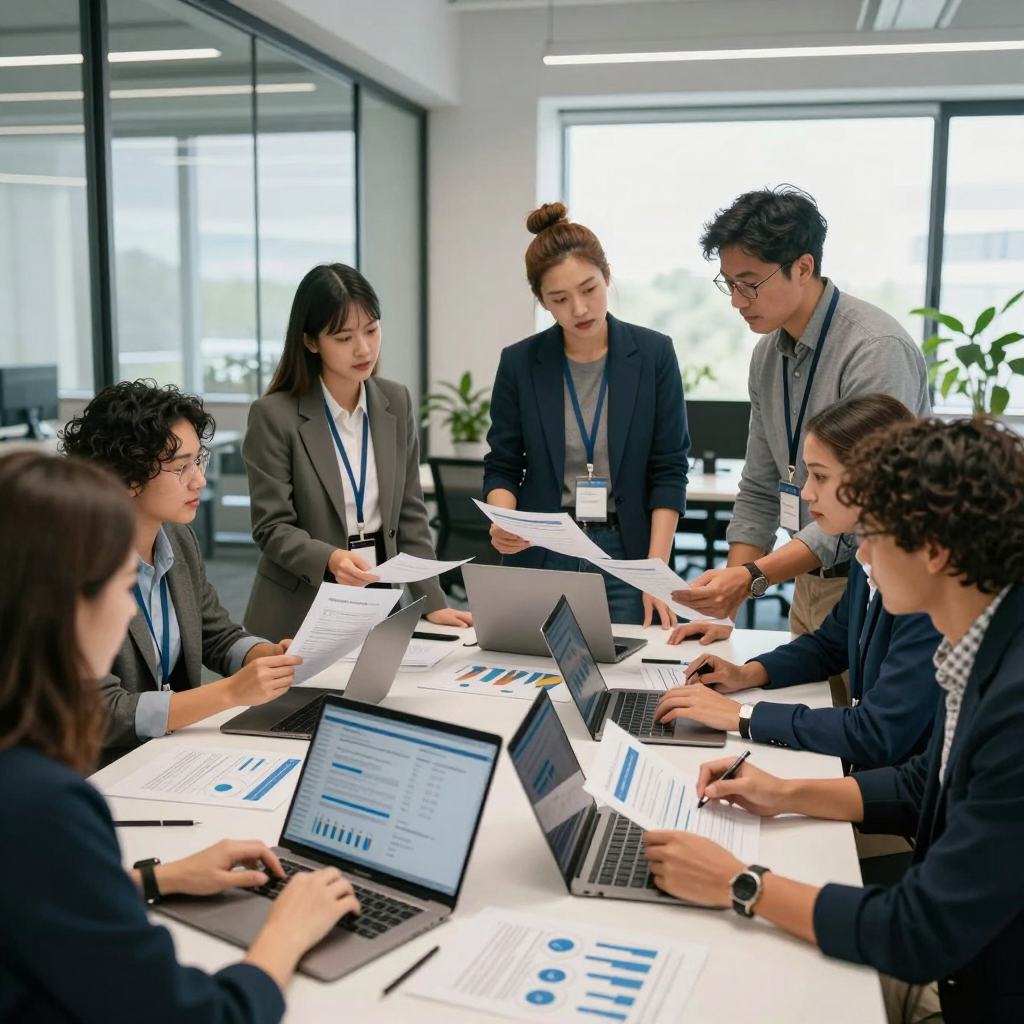
Strategic partnerships can significantly enhance your grant application. Funders often prioritize collaborative efforts that demonstrate a wider impact, efficient use of resources, and reduced duplication of services. By partnering, you can fill gaps in expertise, extend your service reach, and show that your project has broad community or sector support.
Collaborative proposals are typically viewed more favorably because they combine complementary skills and increase the likelihood of project success. For example, a nonprofit focused on youth development might partner with a local university to add research capacity, making their proposal more robust. Partnerships also make your application more competitive by demonstrating scalability and long-term sustainability ([source](https://researcheracademy.elsevier.com/research-preparation/funding/successful-research-grant-applications-getting-right)). If you’re unsure about eligibility, check out our detailed guide on grant eligibility criteria to see how partnerships can help you qualify.
How to Identify and Approach the Best Grant Partners
Begin by mapping organizations or individuals whose missions, skills, or resources complement your own. Seek partners with a history of collaboration, shared values, and relevant experience. Local nonprofits, universities, businesses, and government agencies can all be valuable allies.
When reaching out, present a clear value proposition. Explain how the partnership benefits both parties and advances the project. Transparency about roles, expectations, and desired outcomes is essential. Building trust from the outset lays the foundation for a productive partnership.
Consider leveraging professional networks, attending industry events, or using online directories to discover potential collaborators. Sometimes, even informal conversations can spark new partnership opportunities. For more tips on finding and applying for grants, see our comprehensive guide to finding and applying for grants.
Structuring Effective Grant Partnerships: Agreements & Communication
Effective partnerships rely on clear communication, defined roles, and mutual accountability. Draft a memorandum of understanding (MOU) or partnership agreement that outlines each partner’s responsibilities, decision-making processes, and resource contributions.
Regular check-ins help maintain alignment and track progress. Involving all partners in the grant writing process ensures their contributions are accurately reflected in the proposal. Additionally, establishing a shared system for monitoring outcomes can help keep everyone accountable.
Flexibility is important. As projects evolve, revisit agreements and adjust roles as needed to maintain a strong working relationship. If you need help with the grant writing process, our step-by-step guide to writing a winning grant proposal can provide valuable insights.
Case Studies: Successful Grant Partnerships in Action
A neuroscience research team improved their grant success rate by collaborating with a data analytics firm. This partnership combined scientific expertise with advanced technical skills, resulting in a more compelling proposal ([source](https://www.numberanalytics.com/blog/maximizing-grant-success-neuroscience)).
In another example, a coalition of education-focused nonprofits secured a major grant by pooling resources and presenting a unified strategy to address community needs ([source](https://www.pixerweb.com/grants-for-nonprofits-building-sustainable-impact-through-smart-funding/)).
Similarly, a rural health clinic partnered with a regional hospital to expand telemedicine services. By demonstrating shared capacity and a coordinated approach, they successfully attracted funding for their joint initiative. To discover more about hidden grant opportunities, read our guide on how to find little-known funding opportunities.
Common Challenges in Grant Partnerships & How to Overcome Them
Partnerships can face challenges such as misaligned goals, unclear communication, or uneven workload distribution. To address these issues, set clear expectations from the beginning and maintain open lines of communication.
Regularly evaluate the partnership’s effectiveness and address concerns promptly. Revisiting agreements as circumstances change helps keep everyone on track. Successful collaborations require flexibility, transparency, and a shared commitment to the project’s success.
If conflicts arise, consider involving a neutral third party or mediator to facilitate resolution and restore trust. For more on avoiding common pitfalls, see our article on common grant application mistakes and how to avoid them.
FAQs: Partnerships and Grant Application Success
**How do partnerships improve grant application success?** Partnerships add credibility, expand expertise, and demonstrate a broader impact to funders.
**What types of organizations make good grant partners?** Nonprofits, academic institutions, businesses, and government agencies with complementary skills and shared goals are ideal.
**How can I find potential partners for a grant proposal?** Network at industry events, use online directories, or reach out to organizations with similar missions.
**What are the benefits of collaborating on a grant application?** Shared resources, increased capacity, and a stronger, more competitive proposal.
**How do funders view partnerships in grant proposals?** Most funders value partnerships as they indicate sustainability and sector-wide support.
**What are best practices for forming grant partnerships?** Define roles, communicate openly, draft formal agreements, and ensure mutual benefit.
**Can partnerships help with grant reporting and evaluation?** Yes, partners can share data, evaluation tools, and reporting responsibilities, making compliance easier. For more answers to common questions, visit our grant eligibility requirements FAQ.
About Grants
Find grants and scholarships with our guides.
Visit https://grant.com to start.
Recent Posts





How to Maximize Grant Funding for Educational Programs in 2026: Proven Strategies for Winning More Grants


Essential Steps for Nonprofits Seeking International Grants in 2026: Expert Guide to Global Funding Success

Share This Post


