5 min read
 29.01.2026
How Individuals Can Apply for Government Grants in 2026: Eligibility, Types & Step-by-Step Guide

Can Individuals Apply for Government Grants in 2026?
Individuals in the United States can apply for certain government grants in 2026, although most federal funding is directed toward organizations, nonprofits, or businesses. However, specific government grant programs for individuals do exist, especially in fields like education, health, housing, and disaster relief. Navigating eligibility requirements and understanding the government grant application process are essential steps to accessing these funding opportunities. For a broader overview of what grants are and how they work, see our [grant definition and types guide](what-is-a-grant-definition-types-eligibility-how-to-apply-2026-guide).
It’s important to use only official resources when searching or applying for government grants. According to USA.gov, individuals should remain vigilant against scams and avoid offers that promise guaranteed or instant approval. Learn more about how to spot and avoid grant scams in our [grant scams guide](grant-scams-how-to-spot-avoid-and-report-fake-grant-offers-in-2026).
Eligibility Criteria for Individuals Applying for Government Grants
Eligibility for government grants varies by program. Common factors include U.S. citizenship or legal residency, age, income level, and the intended use of funds. Some government grants specifically support students, veterans, people with disabilities, or those experiencing financial hardship.
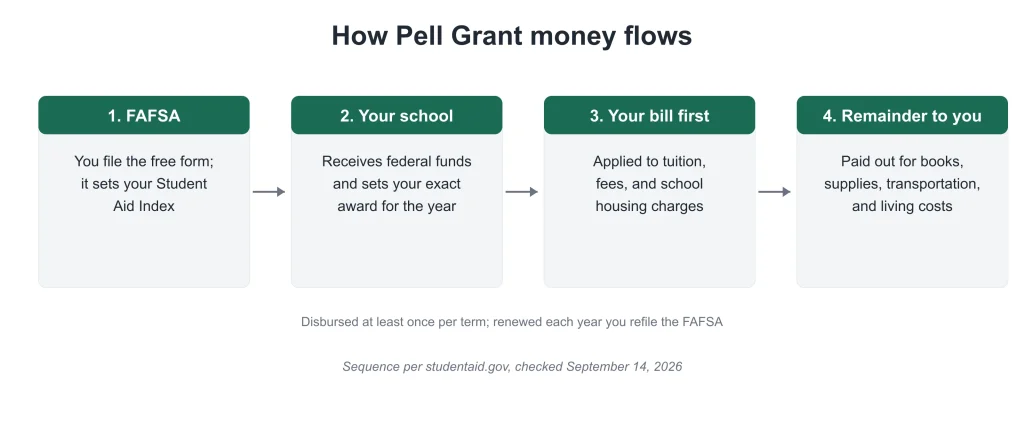
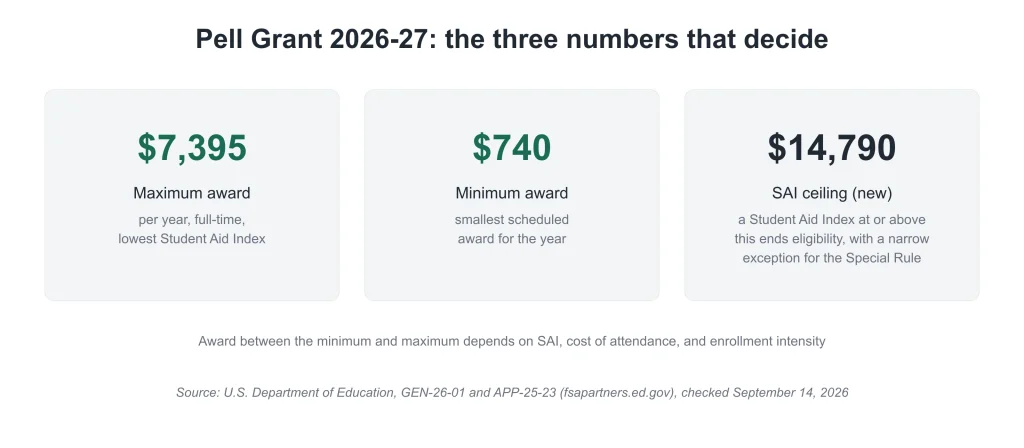
For example, Pell Grants are available to undergraduate students with demonstrated financial need, while FEMA disaster relief grants assist individuals affected by natural disasters. Always check the official grant program page for detailed requirements. For further guidance, see our [grant eligibility criteria](grant-eligibility-criteria-who-qualifies-how-to-apply-for-grants-in-2026) and our comprehensive [grant eligibility requirements guide](grant-eligibility-requirements-2026-who-qualifies-how-to-apply-for-grants).
Types of Government Grants for Individuals in 2026
Several types of government grants are open to individuals in 2026. The most common include:
– Education grants, such as Pell Grants and TEACH Grants for students
– Health and medical grants, including support for research or treatment costs
– Housing assistance, like first-time homebuyer programs or rental support
– Disaster relief grants for those impacted by emergencies
– Personal hardship grants for specific needs, such as disability or unemployment
Each government grant serves a distinct purpose and comes with its own set of requirements. For more details on available options, visit [USAGov](https://www.usa.gov/) or read our article on [individual grants](individual-grants-how-to-find-qualify-and-apply-for-personal-funding-in-2026). You can also compare grants, loans, and scholarships in our [grants vs loans vs scholarships guide](grants-vs-loans-vs-scholarships-key-differences-eligibility-how-to-apply-2026-guide).
Step-by-Step Government Grant Application Process for Individuals
Applying for a government grant as an individual in 2026 involves several key steps:
1. Search for suitable government grants using trusted sources like Grants.gov or USA.gov.
2. Carefully review the eligibility and application guidelines for each grant program.
3. Gather all required documentation, such as proof of income, identification, or a project proposal.
4. Complete and submit your application online or by mail, following the instructions provided.
5. Monitor your application status and promptly respond to any requests for additional information.
Staying organized and following each step increases your chances of success. For a detailed walkthrough, refer to our [step-by-step grant process guide](step-by-step-grant-process-guide-how-to-find-apply-and-win-funding-in-2026) and our [grant application process guide](grant-application-process-step-by-step-guide-to-winning-funding-in-2026).
Common Misconceptions About Government Grants for Individuals
Many people mistakenly believe that government grants are simply ‘free money’ for any personal expense. In reality, most government grants are awarded for specific purposes, such as education, disaster recovery, or medical needs. Applicants must meet strict eligibility criteria and use funds as intended. For more on the differences between grants and other funding types, see our [grants vs loans guide](grants-vs-loans-key-differences-eligibility-and-how-to-apply-in-2026).
Scams are another common pitfall. Be wary of offers that guarantee approval or require upfront fees. Always verify government grant opportunities through official government websites like [USA.gov](https://www.usa.gov/) or [Grants.gov](https://www.grants.gov/). For tips on avoiding scams, check our [grant scams guide](grant-scams-how-to-spot-avoid-and-report-fake-grant-offers-in-2026).
Required Documentation for Government Grant Applications
The documents needed for a government grant application depend on the program. Typically, you should prepare:
– Proof of identity (such as a driver’s license or passport)
– Social Security number
– Proof of income or financial need
– Project proposal or statement of purpose, if required
– Academic records for education grants
Having these documents ready in advance can help streamline your government grant application process. For a comprehensive checklist, visit our [essential grant application documents guide](essential-grant-application-documents-complete-checklist-expert-tips-2026-guide) and our [grant application document checklist](grant-application-document-checklist-2026-essential-paperwork-for-government-nonprofit-business-grants).
Success Stories and Case Studies: Individuals Winning Government Grants
Thousands of individuals have successfully obtained government grants for education, housing, and medical expenses. For instance, each year, millions of students receive Pell Grants to help cover college costs. After major disasters, FEMA grants provide critical support for families rebuilding their lives.
These real-life examples show that, with the right preparation and persistence, individuals can secure government grant funding for important needs. Explore more inspiring stories and practical tips in our [individual grants success stories](individual-grants-how-to-find-qualify-and-apply-for-personal-funding-in-2026). For more on how to avoid common mistakes, see our [top grant application mistakes guide](top-grant-application-mistakes-to-avoid-in-2026-expert-tips-for-winning-funding).
Frequently Asked Questions About Government Grants for Individuals
**Can individuals apply for government grants?** Yes, but only for certain programs. Most grants are for organizations, but some are open to individuals. For more details, see our [can individuals apply for grants guide](can-individuals-apply-for-grants-how-to-find-win-personal-grant-funding-in-2026).
**What government grants are available for individuals?** Education, health, housing, and disaster relief are common areas.
**How do I know if I am eligible?** Check the specific grant’s eligibility criteria on official websites.
**What is the process for applying?** Identify a grant, review requirements, gather documents, and submit your application.
**Are there government grants for personal use?** Generally, grants are for specific needs, not general personal expenses.
**What documents are needed?** Proof of identity, income, and purpose are usually required.
About Grants
Find grants with our guides.
Visit https://grant.com to start.