5 min read
 21.01.2026
How Grant Providers Evaluate and Score Applications: Criteria, Rubrics & Tips (2026 Guide)

Key Evaluation Criteria Used by Grant Providers
Grant providers use a core set of grant evaluation criteria to assess applications. These typically include the significance of the project, clarity and specificity of objectives, feasibility, and the qualifications of the applicant or project team. Reviewers also examine budget justification and the potential impact of the proposed work. Proposals that closely align with the funder’s mission and strategic priorities tend to score higher. For a deeper understanding of who qualifies and how to apply, see our guide on grant eligibility criteria.
Innovation and sustainability are highly valued, especially for projects seeking long-term change. The applicant’s track record—such as prior project success or relevant experience—can also influence scores. Always review the grant guidelines carefully, as some funders may emphasize certain criteria over others. For example, a health-focused foundation may prioritize measurable outcomes, while an arts funder might value creativity and community engagement. If you’re new to the process, our step-by-step grant process guide can help you get started.
Grant Scoring Systems and Rubrics Explained
To ensure fairness, most grant providers use structured scoring rubrics. Each evaluation criterion receives a point value or is rated on a scale, such as 1–5 or 1–10. Reviewers assign scores to each section, and the combined total determines the application’s ranking among competitors. For a detailed explanation of how applications are evaluated and scored, check out our article on the grant review process.
Some funders, like the National Institutes of Health (NIH), use a 1–9 scale for both overall impact and specific criteria. Others may apply weighted scores, giving extra importance to sections like project design or anticipated impact. Understanding the scoring rubric is crucial—tailoring your proposal to address high-value sections can maximize your score. For instance, if innovation is weighted heavily, highlight what sets your project apart from existing solutions.
Public vs Private Grant Evaluation: Key Differences
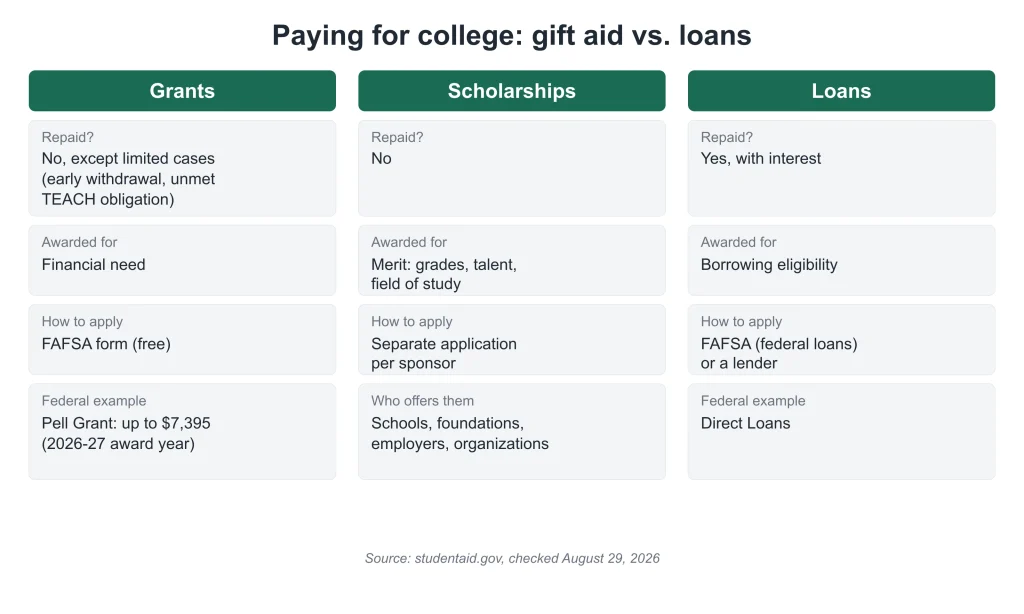
Public (government) grants usually follow transparent and highly structured review processes. Criteria and scoring systems are published in advance, and applications are often reviewed by panels of subject-matter experts. Applicants typically receive detailed feedback, which can be invaluable for future submissions. To learn more about the differences between grants and other funding types, see our comparison of grants vs loans vs scholarships.
In contrast, private foundations or corporate funders may use more flexible or internal review methods. Their criteria can be less formal, and decisions might involve board members or staff rather than external experts. Some private funders prioritize organizational fit or mission alignment over strict scoring. Understanding the funder’s approach allows you to adapt your proposal—emphasizing measurable outcomes for public grants, or storytelling and mission fit for private opportunities.
The Role of Peer Review Panels in Grant Evaluation
Peer review panels consist of experts who independently assess each grant application. Their diverse backgrounds bring a range of perspectives to the evaluation process. After scoring individually, panel members discuss the strengths and weaknesses of each proposal before reaching a consensus or averaging scores.
This process helps ensure fairness and reduces individual bias, especially for competitive or high-value grants. To appeal to a broad panel, write clearly and avoid excessive jargon. For example, a technical term familiar to specialists may confuse reviewers from other fields, potentially lowering your score. For tips on writing a winning grant proposal, see our expert step-by-step guide.
Common Mistakes That Lower Grant Application Scores
Several common mistakes can undermine your grant application. Unclear objectives, missing required information, and weak budget justification are frequent pitfalls. Failing to align your proposal with the funder’s goals or priorities can also hurt your chances. For a checklist of common errors and how to avoid them, read our article on common grant application mistakes.
Additionally, poor writing, excessive jargon, and not following instructions often result in lower scores. To avoid these issues, review the application guidelines thoroughly, proofread your proposal, and double-check that all required documents are included. Consider asking a colleague to review your application for clarity and completeness before submission.
How to Interpret Feedback from Grant Reviewers
Many grant providers share feedback or summary statements after the review process. This feedback highlights both strengths and areas needing improvement. Use these insights to refine future applications, address weaknesses, and build on positive comments. For more on how to use feedback to improve your chances, see our guide to the grant application process.
Even if your application was not funded, constructive feedback is a valuable resource. It can help you identify gaps, clarify your narrative, and improve your chances in future grant cycles. For example, if reviewers noted unclear objectives, focus on making your goals more specific and measurable next time.
FAQs: How Do Grant Providers Evaluate and Score Applications?
**How do grant providers evaluate applications?** Grant providers use published criteria and scoring rubrics to assess proposals for fit, feasibility, and impact. For more details, see our in-depth guide on how grant applications are evaluated and scored.
**What criteria do grant reviewers use to score proposals?** Criteria often include significance, innovation, team qualifications, budget, and alignment with funder goals.
**How is a grant application scored?** Reviewers assign points or ratings to each section, and the total score determines ranking.
**What is a grant scoring rubric?** A rubric is a scoring guide that outlines criteria and point values for each section of the application.
**What makes a grant application stand out to evaluators?** Clear objectives, strong alignment with funder priorities, and a compelling, well-justified proposal.
**How do public and private grant evaluations differ?** Public grants use structured, transparent processes; private grants may be more flexible or internal.
About Grants
Find grants with our guides.
Visit https://grant.com to start.