


 5 min read
 15.01.2026
Grant Scams: How to Spot, Avoid, and Report Fake Grant Offers in 2026

Common Types of Grant Scams
Grant scams in 2024 target both individuals and small businesses, often promising ‘free money’ or exclusive funding opportunities. The most prevalent grant scams include fake government grants, advance-fee schemes, and phishing attempts. Scammers frequently claim you have been ‘selected’ for a grant or qualify for funding you never applied for. If you’re unsure what a legitimate grant is or how they work, review our guide on what is a grant and how to apply.
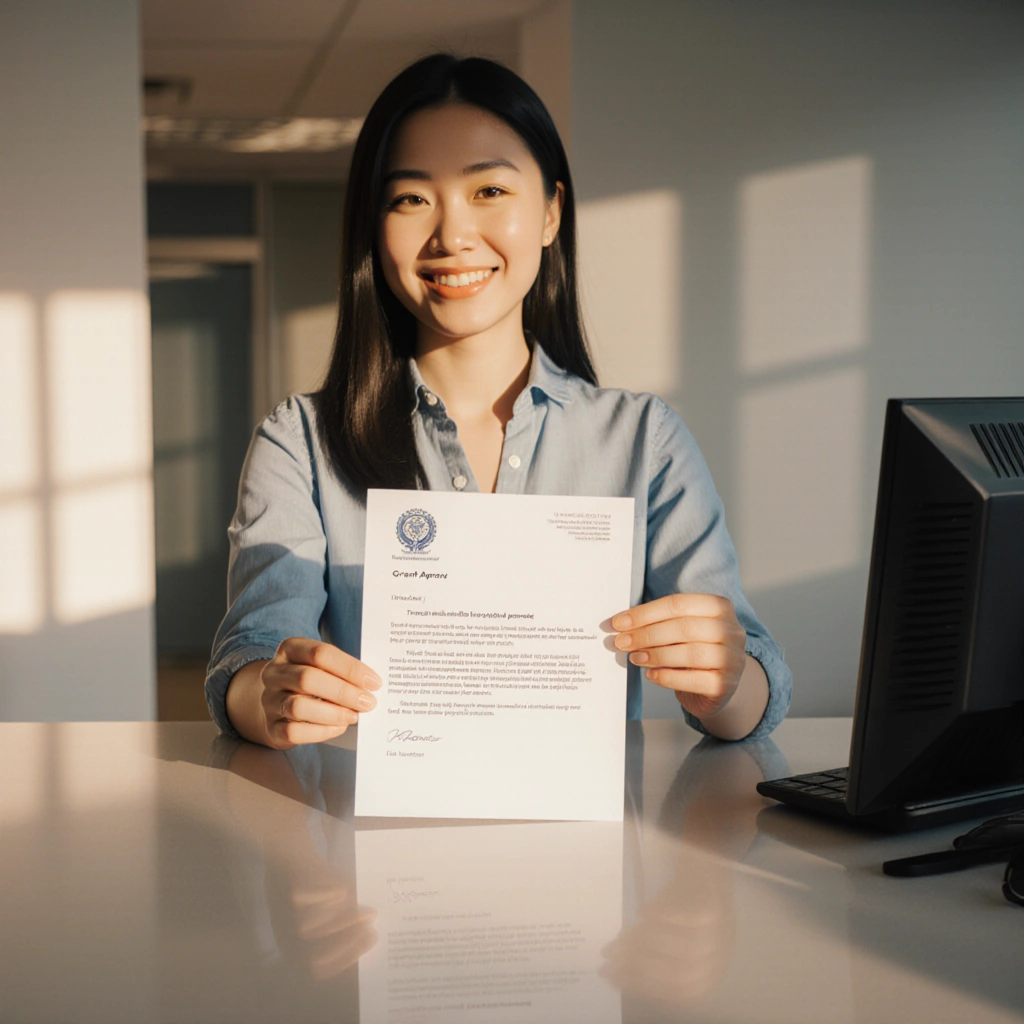
These fraudulent grant offers can arrive through phone calls, emails, social media messages, or even official-looking letters. To appear credible, scammers often use the names and logos of real government agencies. For example, the Grants.gov Community Blog warns that scammers may mimic official correspondence to trick victims. Always be cautious of unsolicited grant offers.
Warning Signs of Grant Scams
Spotting red flags early can save you from financial loss due to grant scams. Common warning signs include requests for upfront payments, such as ‘processing fees,’ urgent demands to act quickly, and communications riddled with poor grammar or spelling mistakes. Scammers may also ask for sensitive personal or banking information.
Legitimate grant providers never require payment to apply for or receive a grant. If someone insists you must pay to access funds, it’s almost certainly a scam. The U.S. Department of Health and Human Services and other trusted sources stress that real grants do not involve fees at any stage. To learn more about eligibility and the application process for real grants, see our article on grant eligibility criteria and how to apply.
How Grant Scammers Operate
Fraudsters use a range of tactics to deceive victims in grant scams. They may impersonate government officials, use spoofed phone numbers, or create fake websites that closely resemble legitimate grant portals. Increasingly, scammers reach out directly through social media platforms, making their schemes seem more personal and convincing.
For instance, a recent case reported by Yahoo News described a woman who lost $5,000 after being contacted on Facebook about a supposed grant. The scammer convinced her to pay several ‘release fees’ before disappearing. This example highlights how scammers exploit trust and urgency to steal money. If you’re interested in understanding the full process of finding and applying for real grants, check out our step-by-step grant process guide.
Legitimate vs. Fake Grant Offers
Real grants are awarded through a formal application process, usually via government or reputable nonprofit websites. They provide clear information about eligibility, deadlines, and application steps. Importantly, legitimate grant programs never require payment to apply or receive funds.
In contrast, fake grant offers are often unsolicited, vague about details, and pressure you to respond quickly. Always verify any grant offer by checking the official website of the agency or organization. If something feels off, trust your instincts and investigate further. For tips on how to find and apply for legitimate grants, read our comprehensive guide to finding and applying for grants.
Steps to Verify a Grant Source
To confirm a grant’s legitimacy, begin by researching the organization offering the grant. Use official government websites like Grants.gov or the agency’s direct site to find accurate information. Cross-check contact details with trusted sources, not those provided in unsolicited messages.
Avoid clicking on links or calling numbers from suspicious emails or messages. Instead, search for the organization independently. When in doubt, contact the agency directly using information from their official website. For additional guidance, consult resources like the BoostSuite guide on identifying legitimate grants.
Reporting Grant Scams
If you suspect a grant scam, act quickly by reporting it to the Federal Trade Commission (FTC), your local consumer protection office, or the platform where the scam occurred, such as Facebook or your email provider. Reporting helps authorities track and shut down fraudulent operations.
Warn friends and family members to help prevent further victims. For more resources on protecting your finances, visit the Protecting Your Money radio show or review Loans in Kenya’s guide to avoiding grant scams.
Frequently Asked Questions (FAQs) About Grant Scams
Q: How can I tell if a grant offer is a scam?
A: Unsolicited offers, requests for payment, and vague details are major red flags. Always verify through official channels.
Q: What are the most common grant scams?
A: Fake government grants, advance-fee scams, and phishing emails are the most widespread.
Q: Are there legitimate government grants for individuals?
A: Yes, but they are rare and never require payment to apply or receive funds. For more on individual grants, see our guide to finding and applying for personal funding.
Q: How do grant scammers contact victims?
A: Scammers use phone, email, social media, and fake websites to reach potential victims.
Q: What information should I never share with a grant provider?
A: Never share your Social Security number, bank details, or pay any fees upfront.
Q: How can I verify if a grant is real?
A: Research the organization, use official websites, and contact agencies directly for confirmation.
About Grants
Find grants and scholarships with our guides.
Visit https://grant.com to start.
Recent Posts





How to Maximize Grant Funding for Educational Programs in 2026: Proven Strategies for Winning More Grants


Essential Steps for Nonprofits Seeking International Grants in 2026: Expert Guide to Global Funding Success


Share This Post


