4 min read
 05.03.2026
Essential Documents for Educational Grant Applications: A Complete 2026 Guide

Overview of Educational Grants
Educational grants offer crucial financial support to students seeking higher education, vocational training, or ongoing professional development. These funds, awarded by governments, universities, and private organizations, reduce or eliminate tuition and related costs. Eligibility is generally based on financial need, merit, or specific personal or academic criteria.
Grant applications require careful attention to documentation. Knowing which documents are necessary—and gathering them ahead of time—minimizes delays and increases your chances of success. For students who want to understand the broader landscape, check our guide on the overview of grants for 2026.
Commonly Required Documents for Educational Grant Applications
Most grant providers, regardless of type, request a core set of documents. Familiarizing yourself with these standard requirements will make your preparation more efficient:
– Proof of identity (such as a government-issued ID or passport)
– Social Security Number (for U.S. applicants)
– Academic transcripts or records
– Official proof of enrollment or an admission letter from an educational institution
– Letters of recommendation
– Personal statement or essay detailing goals and financial need
– Financial information, including tax returns or parental income statements
Always refer to the specific grant instructions, as providers often require unique or additional paperwork. For more on eligibility and documentation, see our article explaining federal grants and how to apply.
Documents for Federal Grants (e.g., FAFSA)
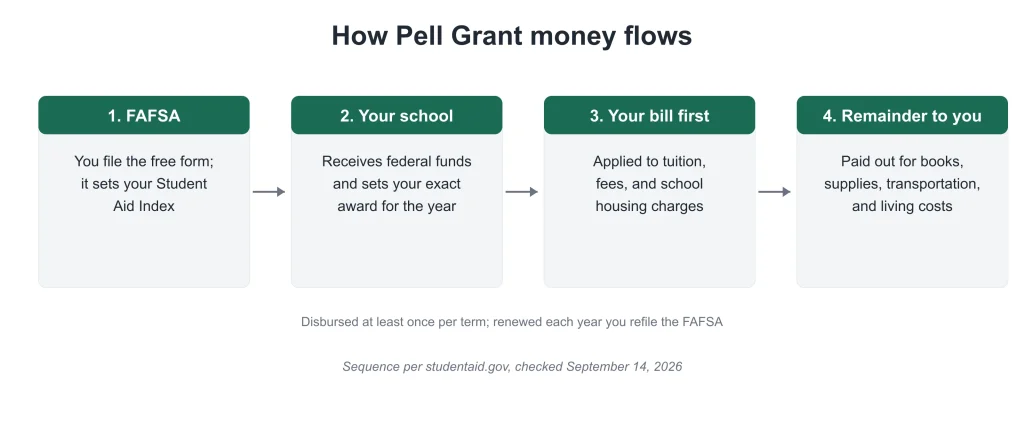
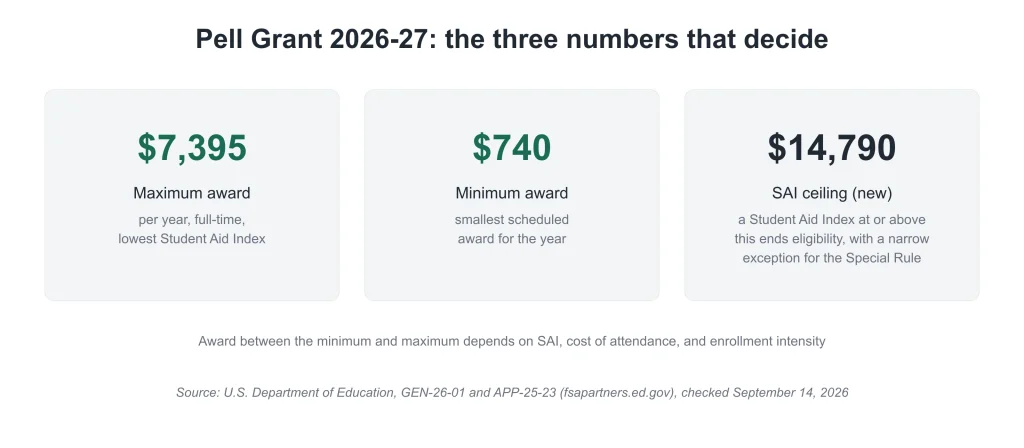
Federal educational grants, like the Pell Grant, are primarily accessed through the FAFSA (Free Application for Federal Student Aid). The U.S. Department of Education outlines key documents you’ll need:
– Social Security Number (or Alien Registration Number for eligible non-citizens)
– Federal income tax returns, W-2s, and other financial statements for students and, if dependent, their parents
– Bank statements and investment records (if applicable)
– Documentation of untaxed income
– Selective Service registration proof (for eligible male applicants)
Submit accurate, current information. Missing or incorrect details may slow down or jeopardize your application. For a step-by-step guide to using federal portals, see our complete guide to finding and applying for federal grants online.
Documents for State Grants
State-based education grants, such as the TEXAS Grant, typically mirror federal requirements, but with state-specific documentation. State agencies may need additional verification to confirm eligibility.
Frequently required documents include:
– State residency proof (utility bills, lease agreements, or state-issued identification)
– State-specific tax documentation
– Completed application forms unique to the program
Visit your state’s education website for up-to-date lists of required materials and checklists. For key deadlines and application strategies by state, you may want to review our 2026 federal grant opportunities article.
Documents for Private or Institutional Grants
Private foundations and educational institutions offer competitive grant opportunities, sometimes focusing on merit, talent, or specific backgrounds. Documentation often varies based on the grant’s purpose.
You may need to provide:
– Personal statements or essays that address the grant’s theme
– Letters of recommendation from educators, mentors, or employers
– Work portfolios for grants related to art, music, or other creative fields
– Proof of extracurricular activities or community service
– Certificates highlighting academic honors or other achievements
Each grant has its own requirements. Tailor your application accordingly to strengthen your candidacy. For more strategic tips on winning educational and other grants, see our top federal, state, and nonprofit funding guide for the 2026 grant cycle.
Special Requirements for International Students
International students face additional requirements when applying for educational grants abroad. Ensure you prepare documentation to meet both academic and country-specific standards.
Commonly required items include:
– Valid passport and appropriate visa details
– Proof of language proficiency (TOEFL, IELTS, or similar scores)
– Credential evaluation for foreign academic transcripts
– Financial declarations or affidavits verifying your ability to cover living expenses
Requirements may differ by country or institution. Always confirm with the grant provider to ensure full compliance. If you’re seeking more details on international funding trends and strategies, check out our dedicated article on international grant funding trends and success strategies.
About Grants
Find grants with our guides.
Visit https://grants.com/wizard to start.