6 min read
 21.01.2026
Can Individuals Apply for Grants? How to Find & Win Personal Grant Funding in 2026

Can Individuals Apply for Grants? Understanding Personal Grant Opportunities
Many people believe grants are reserved for organizations like nonprofits, schools, or businesses. However, individuals can also qualify for a wide range of grants, depending on the funder’s mission and the purpose of the funding. While organizations do receive a significant share of grant funding, individuals regularly secure grants for education, research, the arts, and even personal emergencies.
Knowing the distinction between individual and organizational grants is essential for anyone seeking financial support. This guide explores the main types of grants available to individuals, outlines eligibility requirements, and provides practical advice for finding and applying for personal funding. For a deeper dive into the differences between grants, loans, and scholarships, see our guide on the key differences and eligibility requirements.
Types of Grants Available to Individuals in 2026
A diverse array of grants is open to individuals, each designed to support specific goals or needs. Common types include:
– Education grants and scholarships: For students, teachers, or researchers pursuing academic advancement.
– Research grants: For scientists, academics, or independent researchers working on innovative projects.
– Arts and creative grants: For artists, writers, musicians, and performers to develop or showcase their work.
– Personal or hardship grants: For those facing medical expenses, disaster recovery, or financial hardship.
– Business startup grants: For entrepreneurs launching new ventures, though these are less frequent than other types.
Each grant category comes with its own eligibility rules and application steps. For example, the National Endowment for the Arts offers fellowships to writers, while the Fulbright Program funds individual research and study abroad. If you want to learn more about how to find, qualify, and apply for personal funding, check out our comprehensive guide to individual grants.
Eligibility Criteria for Individual Grant Applicants
Eligibility requirements for individual grants vary widely by funder and program. Typical criteria include:
– Citizenship or residency status (such as being a U.S. citizen or permanent resident)
– Age or education level (for example, high school seniors or graduate students)
– Field of study or area of expertise (such as STEM, arts, or public service)
– Demonstrated financial need or hardship (often required for personal or hardship grants)
– Project proposal or statement of purpose (especially for research or creative grants)
Some grants may also require letters of recommendation, transcripts, or proof of community involvement. Always review the specific guidelines for each opportunity before applying. For more on who qualifies and how to apply, see our detailed guide to grant eligibility criteria.
Individual vs. Organizational Grants: Key Differences Explained
Organizational grants are typically awarded to nonprofits, schools, or businesses to support programs that benefit groups or communities. In contrast, individual grants provide direct funding to people for personal, educational, or creative projects.
Organizational grants often require formal structures, such as a board of directors, and detailed reporting on how funds are used. Individual grants, meanwhile, tend to focus on personal merit, demonstrated need, or the potential impact of a proposed project. Both types of grants are competitive and demand well-prepared applications, but the expectations and processes can differ significantly. To better understand the types of grants and how to apply, explore our complete guide to finding and applying for grants.
Common Fields for Individual Grants in 2026
Several fields offer robust grant opportunities for individuals. Some of the most common include:
– Education: Scholarships, fellowships, and tuition assistance for students at all levels.
– Research: Funding for scientific, medical, or social research projects, often through universities or government agencies.
– Arts: Grants for visual artists, writers, filmmakers, and performers to create or present new work.
– Community service: Awards for volunteers or leaders of local initiatives making a positive impact.
– Hardship: Emergency or relief grants for those facing crises such as illness, job loss, or natural disasters.
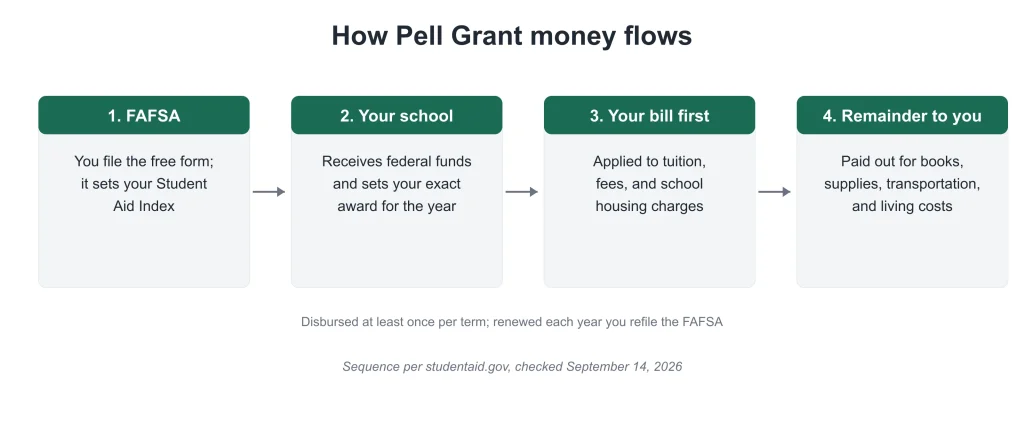
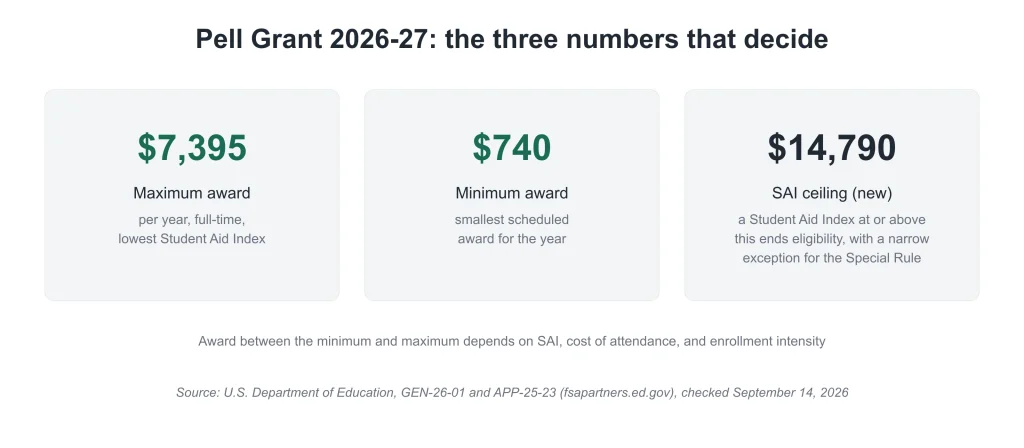
For instance, the Pell Grant supports undergraduate students with financial need, while the Pollock-Krasner Foundation funds visual artists. Exploring grant databases and local organizations can help you discover opportunities tailored to your background and goals. For more tips on finding grants that fit your project, see our step-by-step guide.
How to Find Grants for Individuals: Top Resources & Tips
Start your search with trusted sources like government websites (such as Grants.gov), private foundations, universities, and professional associations. Using keywords like ‘individual grants,’ ‘personal funding,’ or ‘scholarships’ can help narrow your results.
Online grant databases, local libraries, and community organizations also offer valuable information. Be cautious of scams—legitimate grants never require upfront fees or payment to apply. Always verify the credibility of the grant provider before sharing personal information. For a complete walkthrough on how to find, qualify, and apply for personal funding, read our in-depth guide to individual grants.
Application Process for Individuals: Step-by-Step Guide
Applying for an individual grant usually involves several key steps:
1. Research and identify grants that match your needs and qualifications.
2. Carefully review all eligibility and application requirements.
3. Prepare necessary documents, such as a project proposal, resume, or financial statements.
4. Submit your application before the deadline, following all instructions.
5. If awarded, comply with any reporting or follow-up requirements set by the funder.
For more detailed instructions, refer to our step-by-step grant process guide. Planning ahead and staying organized can greatly improve your chances of success.
Frequently Asked Questions About Individual Grants
Q: Can individuals apply for grants?
A: Yes, many grants are available to individuals, especially in fields like education, research, and the arts.
Q: Are grants only available to organizations?
A: No, while organizations receive many grants, individuals can also qualify for specific funding opportunities.
Q: What types of grants can individuals apply for?
A: Scholarships, research grants, arts funding, hardship grants, and more.
Q: How can an individual find grants they are eligible for?
A: Use grant databases, government websites, and local organizations to search for opportunities.
Q: What are the eligibility requirements for individual grants?
A: Requirements vary, but may include citizenship, field of study, financial need, or project proposals.
Q: Are there government grants for individuals?
A: Yes, especially for education, research, and hardship relief. Check Grants.gov and similar sites. For more answers to common questions, see our FAQ on individual grants.
About Grants
Find grants with our guides.
Visit https://grant.com to start.