4 min read
 07.03.2026
Beginner Grants Made Easy: Easiest Grants to Apply for as a First-Time Applicant

Understanding First-Time Grant Applicants
First-time grant applicants include individuals, nonprofits, or small businesses pursuing grant funding for the first time. These applicants often encounter unique challenges, such as unfamiliarity with the grant process, eligibility criteria, or post-award reporting.
Recognizing this, many grantmakers create beginner-focused opportunities or provide additional support tailored for newcomers. While the process may seem intimidating, special programs and simplified grants are designed to welcome first-time applicants and help them successfully enter the world of grant funding.
Overview of Grant Types: Which Are Most Accessible?
Grants generally fall into several categories: federal, state, local, corporate, private foundation, and community-based. Each offers different requirements, competition levels, and intended purposes.
For newcomers, the most accessible grants typically have clear eligibility criteria, streamlined applications, and reduced competition. Local, community, and private foundation grants often fit these criteria, while large federal grants tend to be more complex and competitive, making them less approachable for first-time applicants.
Beginner-Friendly Grants: Where to Start
Many grants are created with new applicants in mind. These beginner-friendly opportunities often feature straightforward requirements, ongoing application windows, and dedicated staff to assist during the process.
Examples of approachable options include local community improvement mini-grants, select foundation grants for small nonprofits, and private microgrant programs for individuals or startups. Resources like FundsforNGOs and Grants.gov highlight these as some of the easiest grants to pursue and secure for your first attempt.
For a broader list of available opportunities, you might also want to consult guides such as our roundup of the [Top 26 Grants to Apply for in 2026](top-26-grants-to-apply-for-in-2026-your-complete-guide-to-grant-funding-opportunities) or learn strategies to [find hidden small business grants](how-to-find-hidden-small-business-grants-6-untapped-funding-sources) that are often overlooked by first-time applicants.
Microgrants and Mini-Grants: Small but Accessible
Microgrants and mini-grants are small funding awards, typically between $500 and $5,000, provided by foundations, local organizations, or municipal governments. These grants are intentionally simple to apply for, encouraging participation by first-time applicants and those without grant writing experience.
Offering smaller amounts means these grants draw less competition and often have fewer administrative requirements. Many microgrants focus on local community improvements, education projects, the arts, or small business startups, providing an excellent entry point for those looking to build their grant portfolio.
If you want to dive deeper into microgrant and community grant opportunities, our detailed article on [Community Development Grants: Best Funding Sources & Tips for Success](community-development-grants-best-funding-sources-tips-for-success) covers sources and tactics ideal for beginners.
Education and Student Grants: Easiest Pathways for First-Time Students
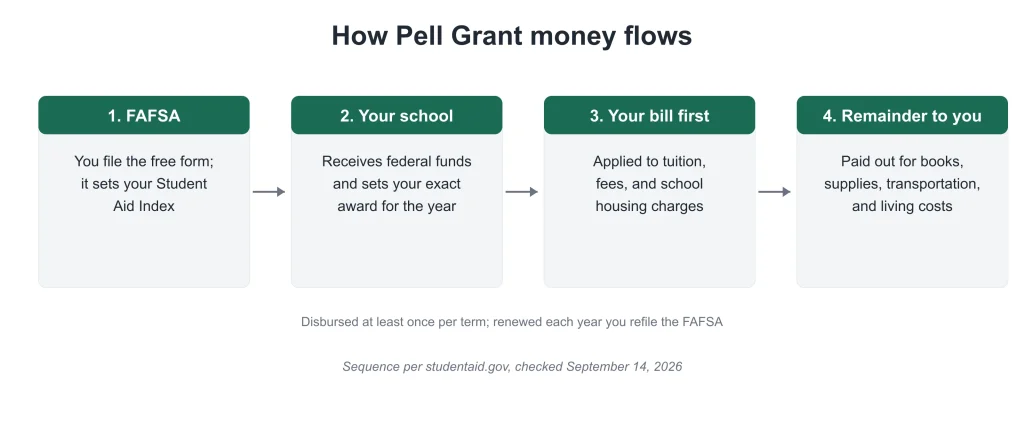
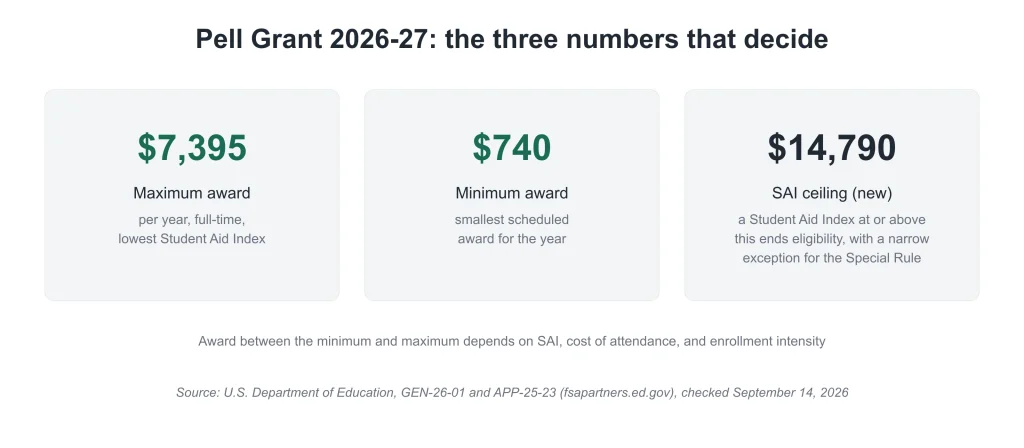
Education grants, including federal Pell Grants and institutional scholarships, are among the easiest for first-time applicants, especially students. In the United States, the FAFSA unlocks access to most federal and state student grants.
Colleges often offer automatic scholarships and microgrants, many requiring no separate essay or application. Resources like CollegeJourney.ai show these options demand minimal paperwork and tend to have high approval rates, making them highly attainable for new students.
Need more about required paperwork? See our [Essential Documents for Educational Grant Applications](essential-documents-for-educational-grant-applications-a-complete-2026-guide) for a smooth first application.
Community Development Grants: Local Opportunities for Beginners
Local governments, community foundations, and neighborhood groups frequently offer small community development grants for projects, local events, or startups. Most have user-friendly application forms and actively encourage submissions from first-time applicants in their communities.
These programs prioritize inclusion and local impact, valuing clear project ideas over elaborate proposals. Support like workshops and direct guidance is commonly available, making local grants some of the most accessible options for those just starting out.
Explore our latest guide to [Easy Community Development Grants](easy-community-development-grants-simple-funding-options-for-local-impact-2026-guide) to discover funding designed for beginners and local changemakers.
About Grants
Find grants with our guides.
Visit https://grants.com/wizard to start.