5 min read
 15.01.2026
Individual Grants: How to Find, Qualify, and Apply for Personal Funding in 2026

What Are Individual Grants? Definition & Key Features
Individual grants are financial awards given directly to people, not organizations or businesses. These personal grants do not require repayment and are designed to support personal needs, education, research, creative projects, or unique life circumstances. Unlike loans, grants are awarded based on specific eligibility criteria and the intended use of the funds. To better understand how grants differ from other types of financial aid, see our guide on the key differences between grants, loans, and scholarships.
Funding sources for individual grants include government agencies, private foundations, and nonprofit organizations. The primary goal is to help recipients achieve objectives such as furthering education, overcoming hardship, or launching artistic endeavors. For example, a student might receive a grant to pay for college tuition, while an artist could secure funding for a community mural project.
Types of Individual Grants Available in 2026
A wide range of individual grants exists, each tailored to different needs and backgrounds. Common types include:
– Education grants and scholarships for students at all levels
– Research grants for scientists, academics, and independent scholars
– Artistic and creative project grants for writers, musicians, and visual artists
– Emergency and hardship grants for those facing sudden financial crises
– Housing and home improvement grants, such as weatherization or accessibility upgrades
– Grants for veterans, single parents, people with disabilities, and other specific groups
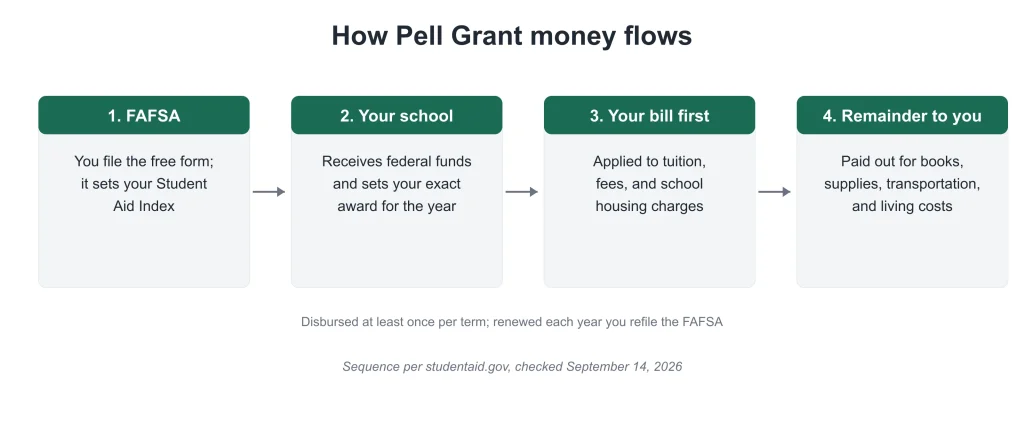
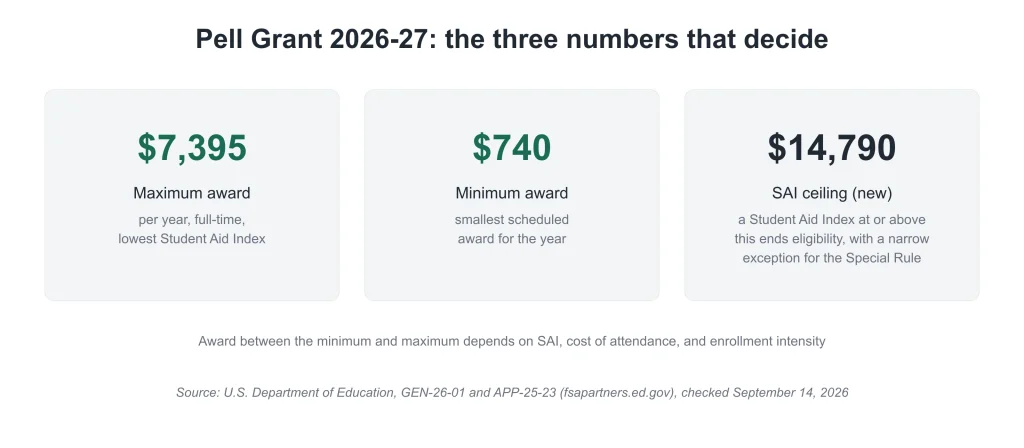
Each grant type comes with its own eligibility rules and application process. For instance, the Pell Grant supports low-income college students, while the National Endowment for the Arts funds creative projects. If you want a deeper dive into the different types of grants and how to apply, check out our comprehensive guide to grants.
Eligibility Criteria for Individual Grants
Eligibility requirements for individual grants vary widely depending on the grant’s purpose and funding source. Common factors include income level, residency, age, educational status, or personal circumstances such as being a veteran or a single parent.
Applicants typically need to provide documentation—such as tax returns, proof of enrollment, or personal statements—to verify eligibility. Some grants may require essays or project proposals. Always review the specific requirements for each grant before applying, as missing documents can disqualify your application. For more details on who qualifies and how to apply, see our in-depth article on grant eligibility criteria.
Government Grants for Individuals: Federal Funding Opportunities
The U.S. government offers several grants for individuals, mostly targeting education, housing, disaster relief, and specific life situations. Federal grants are listed on official websites like Grants.gov and USA.gov. Notable examples include Pell Grants for students, Section 8 housing assistance, and FEMA disaster relief grants.
It’s important to understand that the government does not provide grants for general personal expenses or debt repayment. Be wary of scams that promise guaranteed government grants or ask for upfront fees. Always use official sources to verify opportunities. For a step-by-step overview of the grant process, read our guide on how to find, apply for, and win funding.
Private and Nonprofit Grants for Individuals
Private foundations and nonprofit organizations also offer grants to individuals for a variety of purposes. These may include educational scholarships, funding for the arts, medical assistance, or emergency relief. Websites like GrantWatch and GrantStation list current opportunities for individuals.
Many private grants focus on specific missions, such as supporting women in STEM, artists from underrepresented backgrounds, or people with chronic illnesses. For example, the Awesome Foundation funds creative community projects, while the Elizabeth Greenshields Foundation supports emerging artists. Matching your needs to the right funder is essential for success.
How to Find and Apply for Individual Grants
Begin your search by identifying your specific need or goal. Use reputable sources such as Grants.gov, USA.gov, GrantWatch, and GrantStation to browse current opportunities. Local government agencies, libraries, and community organizations often maintain listings of available grants.
Carefully review each grant’s eligibility criteria and application instructions. Prepare all required documents, such as identification, financial statements, and personal essays. Submit your application before the deadline. Persistence and attention to detail can significantly improve your chances of receiving funding. Consider reaching out to past recipients or grant administrators for tips. For more actionable advice, see our step-by-step guide to finding and applying for grants.
Individual Grants FAQs
Q: Are there grants available for individuals?
A: Yes, individuals can access grants from government, private, and nonprofit sources. These grants support education, research, hardship, and more.
Q: What types of grants can individuals apply for?
A: Options include education grants, research funding, artistic project grants, emergency assistance, and others.
Q: How do I find grants for individuals?
A: Trusted websites like Grants.gov, USA.gov, GrantWatch, and GrantStation are good starting points.
Q: Can individuals get government grants?
A: Yes, but most government grants for individuals are targeted at specific needs, such as education or housing.
Q: What are the eligibility requirements for individual grants?
A: Requirements differ by grant but may include income, residency, education, or personal circumstances.
Q: Are there grants for individuals with low income?
A: Many grants are designed to assist low-income individuals and families, such as Pell Grants or emergency hardship funds.
About Grants
Find grants and scholarships with our guides.
Visit https://grant.com to start.