4 min read
 06.03.2026
Grants Explained: Types, Eligibility, Application Process & Winning Proposal Tips

What is a Grant? Definitions and Types
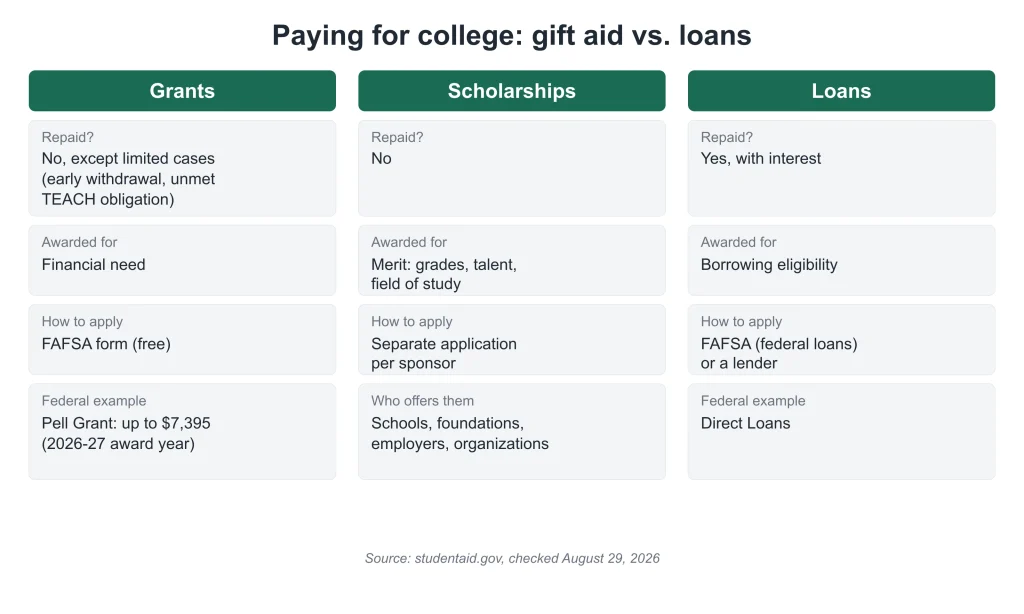
A grant is financial support provided by a government, foundation, corporation, or other organization to advance specific projects or activities. Unlike loans, grants do not require repayment. They are awarded based on criteria such as merit, need, or alignment with the funder’s objectives.
Common grant types include project grants (supporting focused initiatives), operating grants (covering broad organizational needs), capital grants (funding infrastructure or equipment purchases), and research grants. Each type comes with its own application process, guidelines, and reporting expectations. For a more comprehensive breakdown, see our guide on what is a grant, types, funding sources, and how to find grant opportunities.
Different Sources of Grants: Government, Private, Corporate, Foundations
Grants originate from multiple sources. Government grants—at the federal, state, or local level—often fund research, infrastructure, and community programs. Foundations, which are private organizations, support projects aligned with their specific missions. Corporate grants are generally offered as part of a company’s social responsibility or community engagement strategies. Learn more about the differences between government grants and private foundation grants.
Each funding source differs in its application process, eligibility criteria, and required reporting. Understanding these distinctions helps applicants focus on opportunities most aligned with their projects. If you’re looking to explore federal grant options further, visit our complete guide to finding and applying for federal grants online.
Eligibility Criteria: Who Can Apply for Grants
Eligibility requirements vary greatly by funder and grant program. Nonprofits, schools, businesses, startups, artists, and individuals may all qualify for various grants depending on purpose, location, and project scope.
Every grant opportunity will outline specific eligibility parameters, including who can apply, supported project types, and restrictions related to sector or geography. Thoroughly reviewing these guidelines is a crucial first step to ensure a good fit. To dive deeper, see the latest key eligibility criteria and compliance tips for 2026 grants.
Step-by-Step Grant Application Process
Securing a grant is a structured, multi-step process. Begin by researching potential grants that align with your project’s goals and reviewing their guidelines and deadlines. If you’re unsure where to start, check out our guide to finding hidden small business grants.
Next, register with the funder—often through an online portal—and gather required documents such as budgets, organizational background, and letters of support. Then, develop a detailed proposal that addresses the funder’s objectives.
After submitting your application, you may need to respond to clarifying questions or participate in interviews. Award decisions can take weeks or months. If selected, recipients sign an agreement detailing deliverables and reporting requirements. Consistent compliance and timely reporting are vital for maintaining funding and renewing future support. For more in-depth insights, refer to our guide on navigating the grant lifecycle.
To avoid common pitfalls in this process, review our list of the top 10 common grant application mistakes and how to avoid them.
How to Write a Strong Grant Proposal
Crafting a strong grant proposal starts with clearly defining your project’s goals, methods, anticipated impact, and budget. Funders look for a convincing statement of need, achievable objectives, and realistic strategies for executing your project.
Your proposal should also demonstrate your capacity to deliver results, outline measurable outcomes, and highlight connections to the funder’s stated priorities. Review panels typically assess applications based on significance, feasibility, and long-term sustainability. Tailor your proposal to each funder’s interests to improve your chances.
Proofreading and ensuring all attachments are complete before submission are vital final steps. For advanced proposal strategies, see expert tips and writing prompts recommended by grant professionals. For a deep dive on proposal best practices, explore our step-by-step guide to writing a winning grant proposal.
Common Myths and Misconceptions About Grants
Many assume grants are essentially free money with few requirements. In reality, most grants are highly competitive and require comprehensive, carefully prepared proposals and ongoing reporting. Another common myth is that grants are only available to nonprofits; businesses, individuals, and community groups can also qualify for numerous funding opportunities. For more clarity on what makes grants truly accessible, read our complete guide to grant types, eligibility, and application success.
It’s critical to recognize that nearly all grants come with rigorous spending and documentation rules. Failure to comply can result in the need to return funds or loss of future eligibility.
About Grants
Find grants with our guides.
Visit https://grants.com/wizard to start.