4 min read
 12.02.2026
2026 Grant Eligibility & Disqualification: Key Criteria, Hidden Pitfalls, and Compliance Tips

Overview of Common Grant Eligibility Criteria in 2026
In 2026, grantmakers continue to set clear eligibility criteria for applicants. These typically include organizational status, project alignment, and submission of financial documentation. For instance, many grants are open only to registered nonprofits, organizations operating within specific regions, or projects that match the funder’s mission. For a deeper dive into who qualifies and how to apply, see our guide on grant eligibility criteria.
While these requirements are usually outlined in the grant guidelines, meeting them is just the beginning. Many applicants mistakenly assume that checking these boxes guarantees consideration. In reality, additional, less visible requirements often determine whether an application advances or is disqualified early in the review process. To better understand the full grant process, including hidden steps, check out our step-by-step grant process guide.
Hidden or Overlooked Disqualifiers in Grant Applications
Beyond the obvious, hidden grant requirements can easily trip up even experienced applicants. For example, compliance with federal regulations, such as maintaining an active SAM.gov registration for U.S. federal grants, is essential. Many grants also demand strict adherence to formatting, file naming, and digital submission protocols. Overlooking these details can result in automatic rejection. For a checklist of essential documents and requirements, review our essential grant application documents guide.
Other frequent pitfalls include failing to disclose conflicts of interest, submitting incomplete financial audits, or omitting required supporting documents. Increasingly, funders in 2026 expect applicants to demonstrate organizational capacity and alignment with evolving priorities, such as diversity, equity, and inclusion (DEI). Not addressing these can quietly undermine an otherwise strong application. Learn more about common grant application mistakes and how to avoid them.
Recent Changes in Grant Requirements for 2026
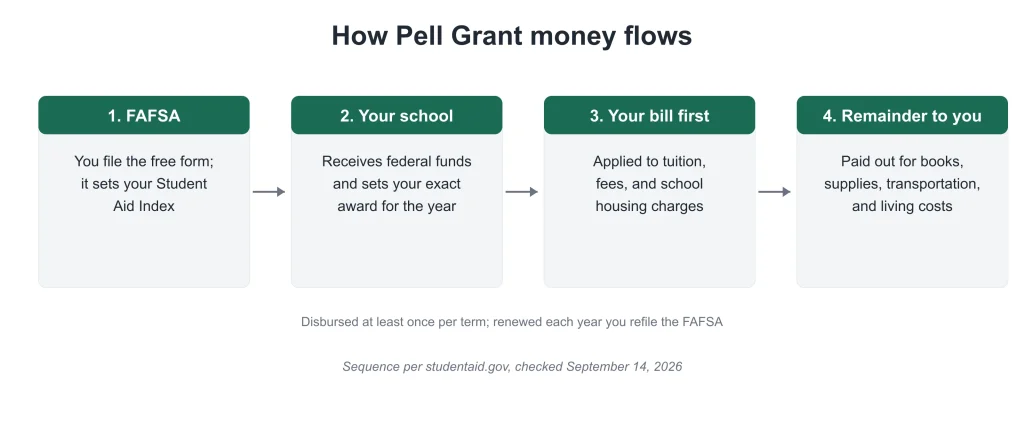
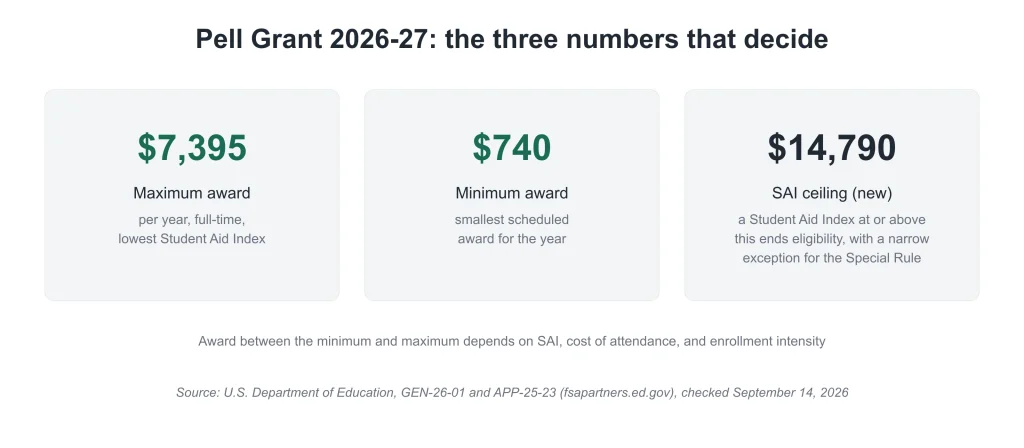
Grant requirements are evolving rapidly in 2026. Both federal and private funders have introduced new rules around digital compliance, data privacy, and reporting. For example, the 2026-27 FAFSA and Pell Grant programs now require more detailed family and financial disclosures ([NASFAA](https://www.nasfaa.org/news-item/37033/ED_Details_2026-27_FAFSA_and_Pell_Grant_Eligibility_Changes_Due_to_One_Big_Beautiful_Bill_Act)). The National Science Foundation (NSF) emphasizes broader impacts and DEI metrics in its merit review process ([Funding Landscape](https://fundinglandscape.com/answers/nsf-grants-guide-2026)). For a summary of key changes, see our federal grant requirements for 2026 guide.
Applicants must also adapt to updated federal compliance standards. These include stricter audit requirements and new digital submission protocols, such as multi-factor authentication and secure document uploads ([Grants.com](https://grants.com/federal-grant-requirements-for-2026-key-changes-eligibility-compliance-guide/)). Staying current with these changes is essential to avoid unintentional disqualification. For more on trends and requirements, visit our 2026 grants guide.
Case Studies: Common Reasons for Grant Disqualification
Consider the case of a nonprofit that lost out on a major federal grant in 2026. Despite meeting all programmatic requirements, their expired SAM.gov registration led to immediate disqualification. In another instance, an applicant overlooked a required audit report mentioned only in the appendix of the guidelines. This omission cost them eligibility. To avoid similar pitfalls, review our guide on top reasons grant applications get rejected and how to avoid them.
Faith-based organizations have also encountered new compliance hurdles. Some were disqualified for not properly separating religious activities from grant-funded services, a rule highlighted in recent updates ([FaithBasedGrants](https://faithbasedgrants.substack.com/p/compliance-landmines-that-disqualify)). These examples underscore the importance of reading every section of the guidelines and understanding the latest compliance expectations.
Tips for Avoiding Grant Application Disqualification
Thoroughly review all grant guidelines, including appendices and footnotes. Many hidden requirements are buried in these sections. Before submitting, double-check eligibility, compliance, and documentation requirements. For a comprehensive checklist, see our 2026 grant application checklist.
Keep registrations like SAM.gov current and prepare all required documents well in advance. Using a detailed grant application checklist can help prevent missed steps. Whenever possible, engage with funders directly or attend pre-application webinars to clarify ambiguous rules and expectations. For more expert tips, read how to write a winning grant application.
Documentation and Compliance Pitfalls in 2026 Grant Applications
Missing or outdated documents remain among the top reasons for disqualification. Commonly overlooked items include financial audits, board lists, and proof of nonprofit status. Even minor inconsistencies in the application can trigger automatic rejection. For a full list of required paperwork, consult our grant application document checklist.
To avoid these pitfalls, ensure all compliance certifications are up to date. Regularly review your organization’s policies to confirm alignment with the latest federal and funder-specific requirements. Proactive preparation can make the difference between success and disqualification. For more on compliance, see our guide to grant compliance and reporting.
About Grants
Find grants with our guides.
Visit https://grant.com to start.