13 min read
 03.06.2026
Which Grants Are Easiest to Qualify For in 2026? Top Beginner-Friendly Grant Opportunities Explained
Understanding Grant Eligibility in 2026
Grants provide crucial financial support to individuals, startups, nonprofits, and students. For first-time applicants, understanding what makes a grant ‘easy’ to qualify for is fundamental. In 2026, rising competition and evolving guidelines mean eligibility is shaped by applicant type, purpose, location, and fund use.
Added to these basics are practical considerations for beginners. Grants.gov, state economic development sites, and private foundations list programs with simple eligibility language and reduced paperwork. Targeting programs labeled as beginner-friendly, or those designed for new applicants, boosts your success rate.
Federal grants, state grants, and private foundation grants each come with their own requirements. For those new to grant-seeking, look for programs offering broad eligibility and streamlined applications—these are often the best entry points into funding. Always consult official sources—and consider reviewing expert guides on grant eligibility—to ensure you follow up-to-date eligibility guidelines.
How Grant Eligibility Works in 2026
Most entry-level grants in 2026 use a set of clear criteria: residency, project type, organizational status, need, or sector focus (education, business, or community projects). Each program has guidelines online explaining who may apply and which documents are needed. For a detailed breakdown of requirements, visit resources like the 2026 grant landscape overview and Grant Eligibility | Grants.gov to read up on current requirements.
Types of Easy-to-Qualify Grants for 2026
Many grants in 2026 are designed with beginners in mind, offering easier pathways to funding. Such options sport straightforward applications, require minimal paperwork, and have broad eligibility. Popular types include starter business grants, microgrants for nonprofits, small community project funds, and need-based student grants.
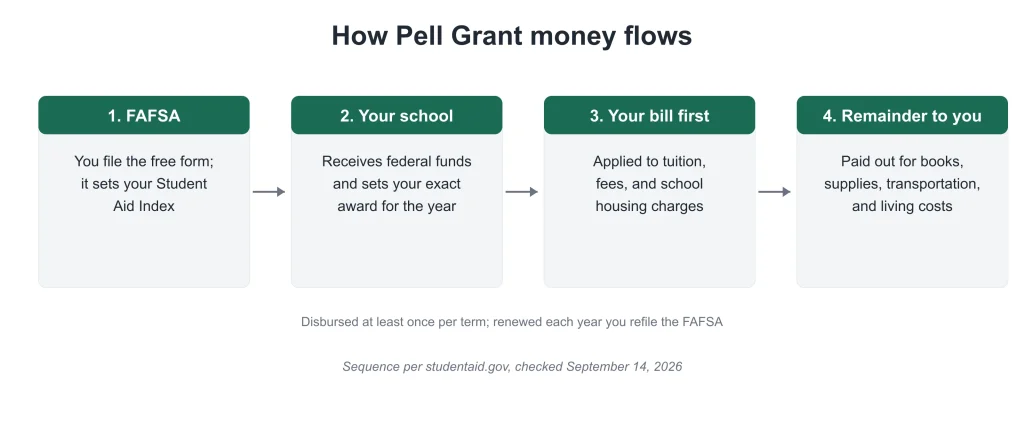
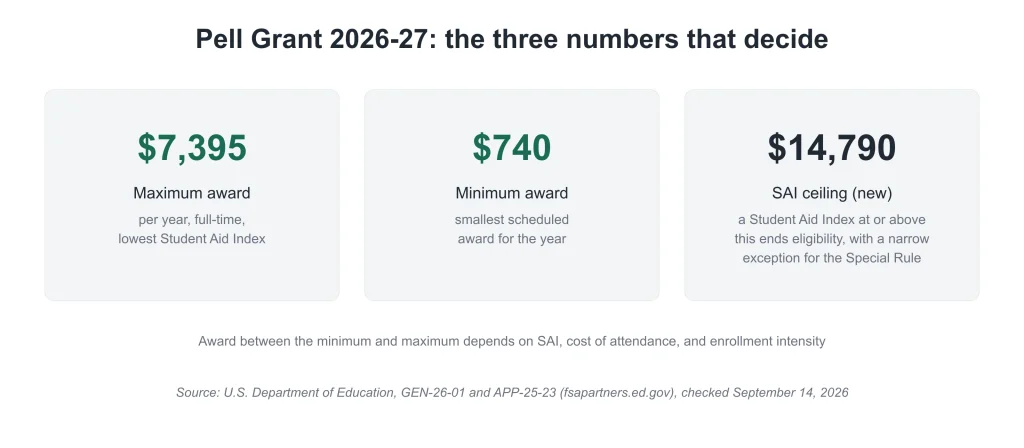
In the educational sphere, federal student grants such as the Pell Grant continue to stand out for their simplicity and accessibility. Locally, community foundation and city microgrant programs have surged, particularly for new businesses and nonprofits. For entrepreneurs, platforms like NerdWallet highlight current lists of first-time grant opportunities—see our expert guide to top beginner funding opportunities in 2026 for up-to-date selections.
Best Grant Categories for First-Time Applicants in 2026
Grants with high accessibility in 2026 fall into clear categories: federal student aid (Pell Grants, FSEOG), community foundation microgrants, small business startup programs, individual artist stipends, and rapid response community funds. While each grant type targets a unique need, they all simplify requirements and embrace newcomers in the application process. Read more in the complete 2026 grant funding guide.
Federal vs. State vs. Private Grants: What’s Simplest in 2026?
Choosing among federal, state, or private grants depends largely on your project’s scale and your readiness. Federal programs offer substantial funding and resources but may involve competitive selection or additional paperwork. State and local grants generally draw from smaller applicant pools and often feature simpler forms, making them attractive to first-time seekers. For more on this comparison, refer to our article on federal vs. state vs. private grants.
Private and community foundation grants are frequently geared toward specific local needs or populations. Their applications typically focus on impact and are meant to distribute funds quickly and effectively. In 2026, many of these programs remove barriers for new applicants by simplifying criteria and prioritizing ease-of-use throughout the process. By evaluating your project needs and resources, you can decide which grant path matches your readiness for entry.
Comparison Table: Federal, State, and Private Grants in 2026
A quick overview for 2026:
– Federal Grants: Offer the largest funding. Example: Pell Grant, SBIR/STTR for small business. Require moderate documentation with solid guidance.
– State Grants: Many target small business or nonprofits, such as programs in Tennessee or California. Fewer applicants, simpler forms. Local impact is often prioritized.
– Private/Community Grants: Foundation and corporate funders (community foundations, local Chambers of Commerce) provide microgrants with easy applications, often open to a broad range within the service area. For grant seekers wanting tailored help, our winning a grant in 2026 expert guide shares strategic insider tips.
Common Requirements for First-Time Applicants in 2026
Most easy-to-qualify grants in 2026 require only basic documentation from newcomers. Generally, you’ll need proof of identity, a concise project or needs statement, supporting documents tailored to the grant (tax forms if required, a business license for startups, or school enrollment proof for students), and a budget summary.
Programs designed for beginners intentionally limit paperwork and publish step-by-step guidance. Many agencies, including federal and state departments, offer direct support through online portals and free consultations. Take advantage of these resources to ensure your application meets all basic requirements the first time. For help organizing your paperwork, the first-time grant application checklist for 2026 is invaluable.
Sample Documents Often Required in 2026
Federal student grants require completing the FAFSA and citizenship proof. Business microgrants demand a business registration certificate, a short project plan, and basic financial statements. For nonprofits, expect to submit an IRS determination letter, mission statement, and an impact plan. These documents illustrate why beginner grants are so accessible—they avoid lengthy or overly technical submissions.
Top Grants with Simple Application Processes in 2026
Several grant programs in 2026 are recognized for their accessible, beginner-friendly applications. The Federal Pell Grant remains one of the most approachable for students nationwide. State-level initiatives, like the Tennessee Reconnect Grant, and microgrant programs from regional community foundations, continue to offer open doors for first-time applicants.
Small business owners should consider the SBIR Fast-Track program and the Amber Grant for Women Entrepreneurs, both of which use direct, concise requirements. Women-owned businesses looking at that route should start with our guide to grants for women, which sets out what is real and who qualifies. Online grant databases such as Grants.gov, Instrumentl, and curated lists on NerdWallet remain reliable for finding current beginner grants. For a comprehensive look at opportunities, see the beginner funding opportunities expert guide.
2026 Examples: Grants with Highest Approval Rates
The Federal Pell Grant (for education), Amber Grant (for women and minority-led businesses), Humanities Tennessee’s Opportunity Grants (for nonprofits and creatives), and local business grants found on state portals like TN.gov maintain approval rates above 50% for new applicants. These programs are valued for straightforward criteria and their focus on inclusivity.
Mistakes to Avoid on Your First Grant Application in 2026
First-time grant applicants in 2026 often miss out on funding due to simple, avoidable errors. Common pitfalls include failing to meet deadlines, overlooking eligibility details, submitting incomplete information, or omitting required attachments. Vague or generic project summaries also weaken your application’s competitiveness—reviewers want concise, tailored narratives. To sidestep errors, check out top grant application mistakes to avoid in 2026.
Success improves with careful preparation. Begin by reading all instructions, assembling documentation early, and using draft review tools offered by most major grant platforms. Many programs host webinars or Q&A sessions to clarify processes—these resources are invaluable, especially when learning from previous recipients or advisors at local development centers.
Expert Tips for a Flawless First Application in 2026
Check eligibility and instructions for your targeted grant program. Prepare all supporting documents before you begin the application. Customize your needs statement to address the funder’s main priorities. Take advantage of application previews, and attend Q&A webinars to resolve uncertainties before submitting. Consult previous awardees or development center advisors for insight whenever possible.
Frequently Asked Questions (2026)
Which grants are the easiest to qualify for in 2026?
In 2026, the easiest grants include federal student aid (notably Pell Grants), state or local microgrants, and select private foundation programs for first-time applicants. These grants feature simple eligibility, minimal paperwork, and user-friendly instructions. Sites like Grants.gov and state resource portals regularly update listings with accessible options.
What are the best grants for first-time applicants in 2026?
Top choices for new applicants in 2026 include the Federal Pell Grant for students, Tennessee Reconnect Grant for adults, Amber Grant for women entrepreneurs, and community foundation microgrants supporting local nonprofits or startups. Each program centers on a simple, direct application format.
Are there grants specifically for beginners in 2026?
Absolutely. Many funders offer beginner or starter grants in 2026, such as microgrants from community foundations, innovation funds from local governments, and new business incentive programs at economic development centers. These programs aim to simplify criteria and reduce documentation for those new to grant-seeking.
What are eligibility requirements for easy grants in 2026?
Eligibility in 2026 typically includes U.S. or local residency, basic identification, a defined project or educational need, and—when needed—proof of financial need or business/nonprofit status. Many accessible grants skip lengthy essays, focusing on short statements and key documents.
How can I increase my chances of getting a grant as a first-time applicant in 2026?
Carefully review eligibility rules, gather all required documents early, and write a clear summary tailored to the funder’s focus. Avoid common pitfalls, such as missed deadlines or incomplete applications. Use free support from Grants.gov and seek advice from past winners or local support agencies.
Conclusion (2026)
In 2026, first-time grant applicants benefit from an unprecedented range of accessible and impactful programs. Federal grants like the Pell Grant remain highly approachable and transparent, while state and local microgrants for startups and nonprofits have expanded in funding and scope. Community foundations and corporate giving programs continue to lead in opening doors for beginners with broad eligibility and easy entry.
Ready to secure your first grant in 2026? Visit established grant portals like Grants.gov, review eligibility guides, and begin your application with confidence for a successful outcome.
About Grants (2026)
Find grants with our guides.
Visit https://grants.com/wizard to start.