6 min read
 29.01.2026
Top Student Grants for 2026: How to Find, Qualify, and Apply for Educational Funding

Introduction: Are There Grants for Students and Educational Purposes?
Absolutely—students have access to a wide range of educational grants designed to support their academic journeys. Unlike student loans, grants do not require repayment, making them a valuable resource for reducing college costs. Funding comes from federal and state governments, private organizations, and international programs, each with unique goals and eligibility requirements.
This comprehensive guide breaks down the main types of student grants, outlines who qualifies, and explains how to apply. Whether you’re an undergraduate, graduate, or international student, you’ll find practical advice to help you secure funding for your studies. For a foundational overview, see our article on what a grant is, including definitions, types, and eligibility requirements.
Types of Educational Grants for Students
Educational grants come in several forms, each tailored to different student needs and backgrounds. Understanding these categories helps you target the right opportunities:
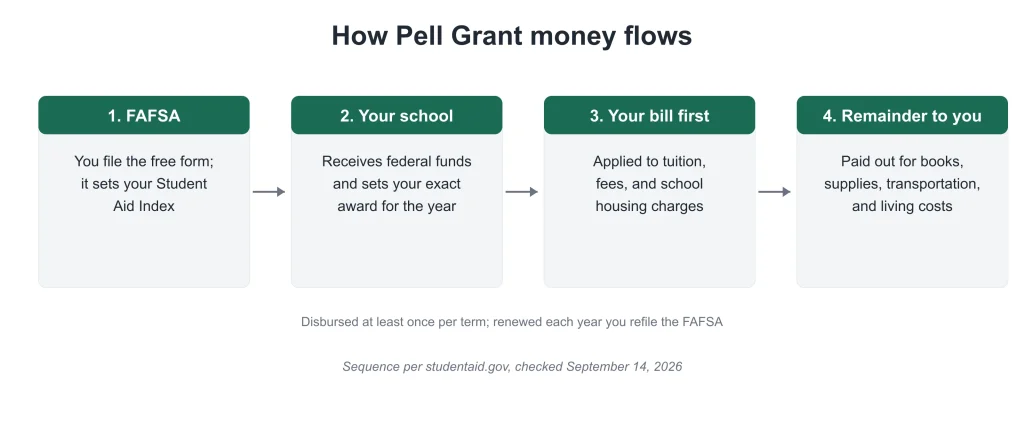
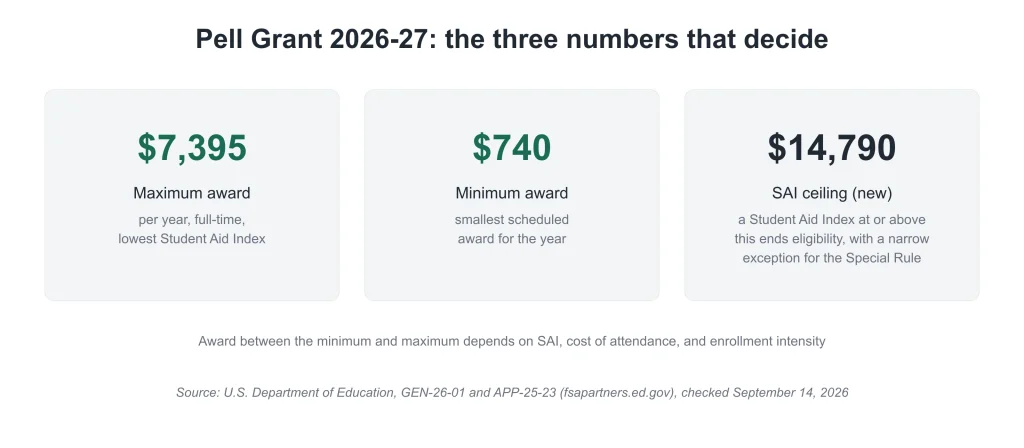
– Need-based grants: Awarded based on financial circumstances. The Federal Pell Grant ([Pell Grant – Wikipedia](https://en.wikipedia.org/wiki/Pell_Grant)) is a leading example, supporting millions of students each year.
– Merit-based grants: Recognize academic, athletic, or artistic excellence. For instance, some states offer merit grants to top-performing high school graduates.
– Field-specific grants: Target students in high-demand areas like STEM, healthcare, or teaching. The SMART Grant and TEACH Grant are notable examples.
– Demographic-based grants: Support underrepresented groups, such as minorities, women, or first-generation college students. The Gates Millennium Scholars Program is one such initiative.
– Institutional grants: Provided directly by colleges and universities, often based on a combination of need and merit.
To learn more about the differences between grants, loans, and scholarships, check out our in-depth comparison guide.
Federal vs. State vs. Private Student Grants
Federal grants, like the Pell Grant, are funded by the U.S. government and typically awarded based on financial need. These grants often form the foundation of a student’s financial aid package.
State grants are administered by individual states and may require residency, specific academic achievements, or enrollment in certain programs. For example, the Cal Grant in California supports residents attending in-state colleges.
Private grants come from foundations, corporations, and nonprofit organizations. These awards may focus on specific fields, backgrounds, or community service. Applying to a mix of federal, state, and private grants increases your chances of receiving aid.
For more on eligibility and how to qualify for different types of grants, see our detailed guide on grant eligibility criteria.
Grants for Undergraduate vs. Graduate Students
Most federal and state grants target undergraduate students, but graduate and professional students also have options. The TEACH Grant, for example, supports those pursuing teaching careers at both undergraduate and graduate levels.
International programs like the Erasmus Mundus Joint Masters ([Erasmus Mundus Joint Masters](https://erasmus-plus.ec.europa.eu/opportunities/opportunities-for-individuals/students/erasmus-mundus-joint-masters)) offer substantial funding for graduate study abroad.
Graduate students should also explore grants from professional associations, research organizations, and industry groups. The National Science Foundation Graduate Research Fellowship is a prominent example for STEM students.
If you’re unsure how to find and apply for grants at your academic level, our step-by-step grant process guide can help.
Grants for Specific Fields of Study
Many grants are designed to encourage students to enter high-need or underrepresented fields. STEM (science, technology, engineering, and math), healthcare, education, and public service are common focus areas.
For example, the National Health Service Corps Scholarship Program ([NHSC Scholarship Program](https://nhsc.hrsa.gov/scholarships/overview)) funds healthcare students who commit to working in underserved communities. Similarly, the SMART Grant supports students majoring in STEM fields.
Searching for grants related to your intended major or career path can unlock additional funding beyond general aid. For more tips on finding the right grant for your field, see our guide to finding grants that fit your project.
Grants for Minority and Underrepresented Students
To foster diversity and equal opportunity, many grants specifically support minority, first-generation, and underrepresented students. Examples include the Hispanic Scholarship Fund ([Hispanic Scholarship Fund](https://www.hsf.net/)), United Negro College Fund ([UNCF](https://uncf.org/)), and Point Foundation for LGBTQ+ students ([Point Foundation](https://pointfoundation.org/)).
Eligibility often depends on background, academic achievement, and sometimes community involvement or leadership. Resources like [CollegeScholarships.org](https://www.collegescholarships.org/grants/student-type.htm) provide up-to-date listings of grants for various groups.
Applying to these grants can help bridge financial gaps and open doors to additional support networks. For more on eligibility and application tips, visit our article on who qualifies and how to apply for grants.
Grants for International Students
International students can access grants, though options are often more limited than for domestic students. Programs like Erasmus Mundus Joint Masters offer generous funding for non-U.S. students to study in Europe.
Some U.S. colleges and private organizations also provide grants based on merit, need, or specific talents. For example, the Fulbright Program ([Fulbright Program](https://foreign.fulbrightonline.org/)) offers grants for international graduate study and research.
Applicants should carefully review eligibility criteria and consider both home country and host country funding sources. University financial aid offices and international student organizations are valuable resources.
For more information on how individuals can apply for grants, including international students, see our dedicated guide.
How to Apply for Student Grants
The application process varies by grant, but most require a financial aid application (such as the FAFSA for U.S. federal and state grants), academic transcripts, personal statements, and sometimes recommendation letters.
Start your search early, keep track of deadlines, and apply to as many relevant grants as possible. Tailor your applications to each grant’s criteria and highlight your achievements and goals.
For a detailed walkthrough, see our step-by-step grant process guide.
You can also review our essential checklist of grant application documents to ensure you have everything you need.
FAQs: Grants for Students and Educational Purposes
**Are there grants available for college students?** Yes, including federal, state, and private grants for a variety of needs and backgrounds.
**What types of grants are available for education?** Options include need-based, merit-based, field-specific, demographic-based, and institutional grants.
**How do I apply for student grants?** Complete the FAFSA, search grant databases, and follow each grant’s application instructions closely.
**What is the difference between a grant and a scholarship?** Grants are usually need-based, while scholarships are often merit-based. Neither requires repayment. For a full breakdown, see our guide on grants vs. loans vs. scholarships.
**Are there grants for graduate students?** Yes, though opportunities may be fewer than for undergraduates. Explore field-specific and professional association grants.
**Can international students get educational grants?** Yes, but eligibility and availability vary by country and institution. Research both home and host country options.
About Grants
Find grants with our guides.
Visit https://grant.com to start.