6 min read
 15.01.2026
Top Education Grants for Active Duty Military: How to Apply & Maximize Benefits (2026 Guide)

Overview of Education Grants for Active Duty Military
Education grants for active duty military provide essential financial support, enabling service members to pursue higher education without incurring student loan debt. Unlike loans, military education grants do not require repayment, making them a top choice for those in the armed forces. These grants can cover tuition, textbooks, fees, and other academic expenses at accredited colleges or universities.
Active duty service members have access to a wide range of education grant programs, including federal, state, and military-specific grants. Understanding these opportunities and the application process is crucial for maximizing your military education benefits. For example, the Federal Pell Grant is a popular option, while military relief societies often provide emergency education grants. For a comprehensive overview of available opportunities, see our complete guide to military grants for service members, veterans, and families.
Eligibility Criteria for Military Education Grants
Eligibility requirements for military education grants vary by program, but most require applicants to be currently serving on active duty in the U.S. Armed Forces. Some grants may also require a minimum period of service, satisfactory performance evaluations, or enrollment in an accredited degree or certificate program.
In addition to active duty service members, certain education grants extend eligibility to military spouses and dependents. For instance, the MyCAA Scholarship supports military spouses pursuing portable careers. Always review each grant’s specific eligibility criteria before applying to avoid delays or disqualification. For more details on who qualifies and how to apply, check out our guide on grant eligibility criteria.
Step-by-Step Application Process for Military Education Grants
1. Research available grants: Start by exploring federal, state, and military-specific education grants that align with your background and goals. The Department of Defense and your branch’s education office are excellent starting points. For a detailed walkthrough, see our step-by-step grant process guide.
2. Gather required documentation: Typical documents include proof of active duty status, academic transcripts, and financial records. Some grants may request letters of recommendation or a personal statement.
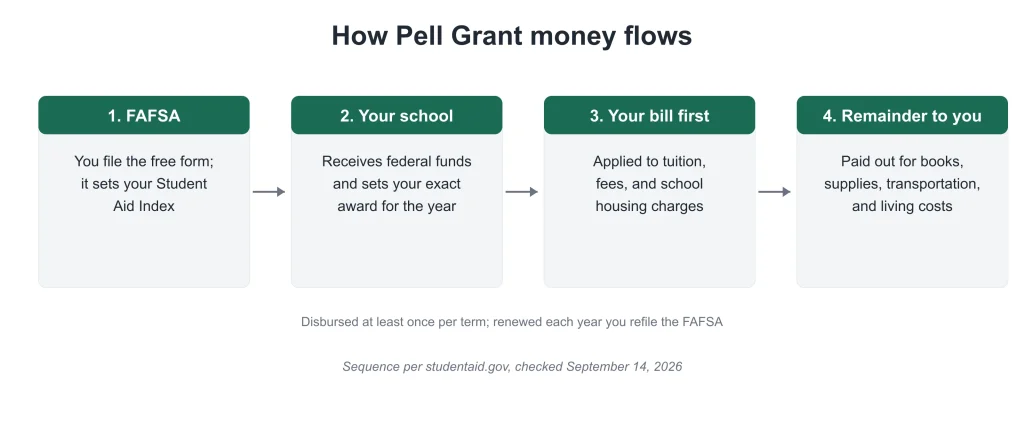
3. Complete the Free Application for Federal Student Aid (FAFSA): Most federal and many state grants require a current FAFSA submission. This form determines your eligibility for need-based aid.
4. Submit grant applications: Carefully follow each program’s instructions. Double-check that all forms and supporting documents are complete and accurate.
5. Monitor application status: Stay in contact with your education office or the grant provider. Respond promptly to any requests for additional information or clarification.
Types of Education Grants Available for Active Duty Military
Active duty service members can pursue several types of education grants:
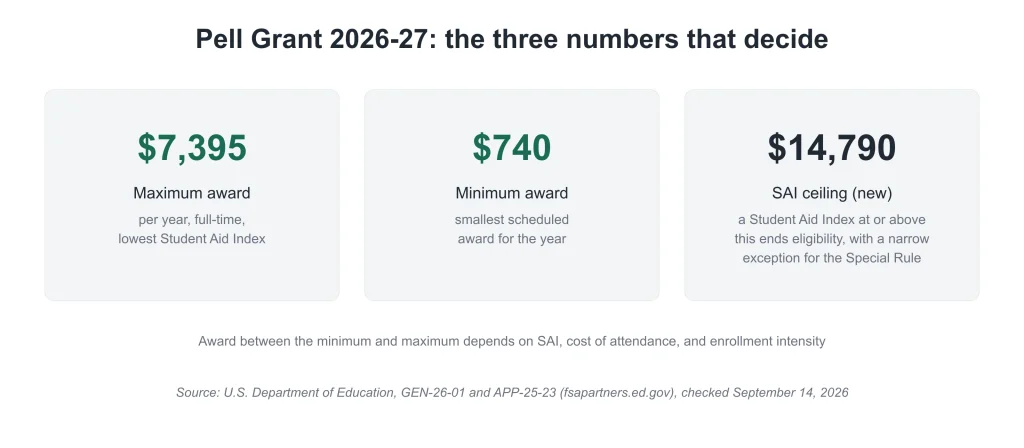
– Federal Grants: The Pell Grant and Federal Supplemental Educational Opportunity Grant (FSEOG) are awarded based on financial need. For example, a junior enlisted member with dependents may qualify for the maximum Pell Grant award.
– State Grants: Many states offer grants for residents serving in the military. For instance, the Texas Hazelwood Act provides tuition exemptions for eligible Texas veterans and their families.
– Military-Specific Grants: Organizations like Army Emergency Relief (AER) and Navy-Marine Corps Relief Society offer grants for tuition, emergencies, or specific fields of study. The Air Force Aid Society also provides education grants for Airmen and their dependents.
Additionally, some private organizations and universities offer grants tailored to military students. For example, the Pat Tillman Foundation awards scholarships and grants to service members and veterans pursuing higher education. To explore more options, visit our military grants complete guide.
Grants vs. Scholarships vs. GI Bill: Key Differences for Military Students
While grants, scholarships, and the GI Bill all help pay for education, they differ in important ways:
– Grants are usually need-based and do not require repayment.
– Scholarships are often merit-based, awarded for academic achievement, leadership, or specific talents.
– The GI Bill is an earned benefit that covers tuition, housing, and other expenses for eligible veterans and active duty members.
Many service members combine these resources to fully fund their education. For example, you might use a Pell Grant alongside the GI Bill to cover tuition and living expenses. For a detailed comparison, see our guide on grants vs. loans vs. scholarships.
Required Documentation for Military Education Grant Applications
When applying for education grants, you will typically need to provide:
– Proof of active duty status (such as a military ID or official orders)
– Academic transcripts from previous schools
– A completed FAFSA form
– Financial documents (like tax returns or W-2s)
– Letters of recommendation or a personal statement (for some grants)
Always review each grant’s documentation requirements carefully. Missing or incomplete paperwork can delay your application or result in denial. For more on what is required and how to prepare, see our guide on how to find and apply for grants.
FAQs: How Can Active Duty Service Members Apply for Education Grants?
Q: How can active duty service members apply for education grants?
A: Start by researching available grants, gathering required documents, completing the FAFSA, and submitting applications to each program. Your base education office can offer personalized guidance.
Q: What education grants are available for active duty military?
A: Common options include Federal Pell Grants, state grants, and military-specific grants such as those from Army Emergency Relief or Navy-Marine Corps Relief Society.
Q: Are there federal grants for active duty service members?
A: Yes. Federal grants like the Pell Grant are available to eligible service members based on financial need.
Q: What is the difference between the GI Bill and education grants?
A: The GI Bill is an earned benefit for military service, while grants are typically need-based and do not require repayment. For more on this, see our detailed guide on grants vs. loans vs. scholarships.
Q: What documents do I need to apply for a military education grant?
A: You’ll usually need proof of service, academic transcripts, a completed FAFSA, and financial documents. Some grants may ask for letters of recommendation.
Q: Can I apply for multiple education grants as an active duty member?
A: Yes. You can apply for and receive multiple grants if you meet each program’s eligibility requirements.
About Grants
Find grants and scholarships with our guides.
Visit https://grant.com to start.