15 min read
 01.05.2026
How Do Grants Work in 2026? The Ultimate Guide to Application Steps and Key Requirements
What Are Grants and Who Can Apply in 2026?
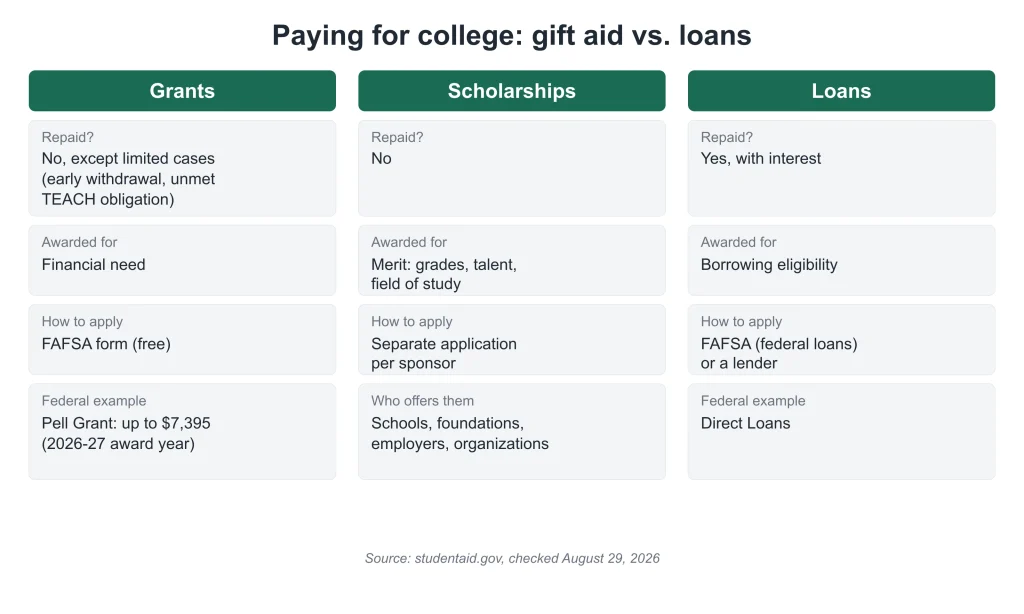
Grants are non-repayable funds provided by governments, foundations, corporations, or private entities to support projects, organizations, or individuals that match the funder’s objectives. Unlike loans, grants do not need to be repaid, making them especially appealing to nonprofits, educational institutions, researchers, small businesses, and individuals with innovative projects. To get a broader introduction to the grant landscape and key distinctions between grant programs, check out our comprehensive overview of grants for 2026. Understanding how grants work in 2026 maximizes your potential for securing essential funding.
In 2026, a wide range of applicants can benefit from grants. While nonprofits, academic institutions, and government agencies commonly apply, many grants are also available to small businesses, artists, collectives, and individuals. Eligibility typically depends on the funder’s guidelines, project purpose, and your organization’s legal status (such as registered 501(c)(3) for U.S. nonprofits). Having strong internal controls, project management experience, and clear reporting processes are key prerequisites for grant success this year. Get more insight on qualifying for grants by reviewing our guide to grant eligibility in 2026.
Types of Grants Available in 2026
Navigating the diverse landscape of grants in 2026 means understanding their different types. Federal grants remain a primary source of large-scale funding, supporting education, healthcare, scientific research, and community advancement through platforms like Grants.gov. For a deep dive into the most competitive opportunities nationwide, see our breakdown of the top 26 grants to apply for in 2026. State and local government grants target specific regional priorities, often focusing on issues unique to their communities. Private foundation grants, including those from organizations like the Gates Foundation, are vital in areas such as social justice and innovation. Corporate grants from companies like Google and Walmart frequently underscore community investment and technological advancement. Research grants play a critical role for universities, institutions, and innovators, driving scientific progress and technological breakthroughs.
Common Eligibility Requirements for Grants in 2026
Each grant program in 2026 outlines distinct eligibility criteria that all applicants must fully meet to be considered. Typical requirements include proof of nonprofit or business status—such as IRS determination letters for U.S. organizations—along with evidence of alignment with the funder’s mission, project feasibility, and a track record of serving the intended population. For federal grants, being in good standing and not suspended from government funding is mandatory.
In addition to basic qualifications, some grants may be limited to specific geographic areas, target demographics, or subject matter (like technology, healthcare, or environmental sustainability). Demonstrating strong financial management, having a viable work plan, and the capacity to report on results are now expected as standard. In 2026, funders are placing greater emphasis on organizational readiness, partnership potential, and the likelihood of producing real, measurable impact. For a detailed checklist of criteria and eligibility pitfalls, see our expert guide to 2026 grant eligibility and disqualification.
Key Documents Needed for 2026 Grant Applications
Applicants in 2026 must prepare several core documents to streamline the grant process. These typically include organizational bylaws, budget documents, IRS letters (for US nonprofits), current annual reports, a well-articulated project narrative, logic models or theory of change, and letters of support. Many funders also ask for resumes or bios for key team members, evidence of community need, past project evaluations, and quantifiable outcome metrics. Compiling these materials early improves your organization’s grant readiness and accelerates your response when new opportunities arise. For more, review our essential grant application documents for 2026 checklist.
How to Find the Right Grant in 2026
Identifying the most suitable grant opportunities is a foundation for funding success in 2026. Begin by conducting a thorough needs assessment to identify your project goals, intended beneficiaries, and budgetary requirements. Utilize databases such as Grants.gov for federal opportunities, the Foundation Directory Online for private foundations, and state or local government portals for regionally targeted grants. For actionable techniques on maximizing your search, refer to our step-by-step guide to finding the best grants for your organization.
Industry-specific platforms and professional networks often surface niche grants that may not appear on broader listings. Take care to read each grant’s guidelines meticulously—submitting applications that are misaligned or incomplete is a common reason for rejections. Organizations that regularly invest time into researching appropriate grants enhance their chances of long-term funding success. For more targeted strategies, consider reading our article on how to find the best grants for your organization.
Leveraging Internal & Community Resources (2026)
Strong relationships with local partners, funders, and coalitions can reveal collaborative grant opportunities or matching fund arrangements. In 2026, many applicants achieve greater project impact by combining multiple, smaller grants to fund larger initiatives. Building partnerships or seeking input from stakeholders also strengthens proposals and appeals to funders looking for broader community engagement. Small businesses can gain additional insights by reviewing our guide on how small businesses can find hidden grants in 2026, which offers expert tips tailored to the current funding landscape.
Step-by-Step Grant Application Process in 2026
The 2026 grant application process is structured and methodical. First, confirm your eligibility by reviewing funder requirements, priorities, and submission deadlines. Register your organization on all necessary platforms, such as SAM.gov for U.S. federal grants. Simultaneously gather all required documentation—budgets, organizational charts, project narratives, and letters of support—well in advance.
Craft your proposal to directly address the funder’s objectives and evaluation criteria. Focus on clearly defining the problem, presenting a solution, outlining activities, and describing measurable outcomes and long-term sustainability. Careful proofreading and strict adherence to the funder’s guidelines are critical. Most grantmakers require electronic submissions, providing confirmation or application tracking after submission. If you need an edge on proposal writing, our step-by-step guide for writing a successful grant proposal includes proven advice and sample formats. Maintain readiness to provide supplemental information or clarify aspects of your proposal during the review phase.
Best Practices for Writing a Successful Grant Application in 2026
Effective grant writing hinges on clarity, alignment, and precision. Support your needs statement and projected outcomes with relevant data and research. Involve trusted partners or stakeholders early to strengthen your case. Tailor your language and proposal structure to match the funder’s stated priorities and terminology. Reviewing successful past proposals, when possible, can provide valuable insights—consult our step-by-step guide to writing a winning grant proposal for proven strategies and sample formats.
Key Documents and Information Required for 2026 Grant Applications
Meticulous documentation is essential for grant success in 2026. Missing or incomplete paperwork can result in disqualification, regardless of project merit. Prepare a strong project narrative, a detailed line-item budget, organizational charts, bios of key staff, proof of nonprofit or business status, and letters confirming partnerships or commitments. To streamline your preparation process, use this comprehensive grant application documents checklist for 2026.
Depending on the grant, you may also need a sustainability plan, community impact assessment, or prior grant performance reports. For a comprehensive breakdown, visit our essential grant application documents for 2026 guide. This includes detailed checklists and downloadable templates catered to a wide variety of grant types, ensuring complete and prompt submission.
Navigating Compliance and Reporting in 2026
After receiving funding, grantees in 2026 are responsible for meeting all reporting requirements, tracking expenditures, and communicating progress towards stated outcomes. Non-compliance can prevent future funding opportunities and jeopardize current awards. Employ grant management tools for tracking, keep funders informed, and document your progress thoroughly throughout the project period. For detailed compliance guidance, reference our guide to grant compliance in 2026.
Frequently Asked Questions (2026)
How do grants work in 2026 and how are they different from loans?
Grants in 2026 provide non-repayable funding for organizations or projects that meet specific eligibility and purpose requirements set by the granting agency or foundation. Unlike loans, grants do not require repayment and are typically awarded to support activities in education, research, health, community development, and business innovation. Recipients must use the funds according to the grant agreement and may need to meet reporting obligations, but they have no obligation to repay the money.
What is the process of applying for a grant in 2026?
The 2026 grant application process begins with finding relevant opportunities that match your goals and eligibility. You’ll then register on the necessary platforms (such as Grants.gov for federal opportunities), prepare core documents including a project narrative, budget, organization credentials, and supporting letters, write and review your application, then submit it before the deadline. After submission, funders review and score proposals, and may request additional details or interviews before awarding funds.
Who can apply for grants in 2026?
Most grants in 2026 are open to nonprofits, small businesses, academic institutions, researchers, government entities, artists, and sometimes individual citizens, depending on the funder’s focus. Specific eligibility criteria are provided in the funding announcement and may include factors such as organizational status, target population, geographic region, and project type.
What documents are required for a 2026 grant application?
Typical documents required in 2026 include an organizational overview, project narrative, detailed budget, proof of nonprofit or business status, resumes of key staff, letters of commitment, previous annual reports, and partnership documentation. Some funders may require evidence of impact, a sustainability plan, or prior grant performance reports.
Where can I find grants to apply for in 2026?
Reliable sources for 2026 grants include Grants.gov for federal opportunities, state government grant portals, the Foundation Directory Online, industry-specific professional networks, and the websites of large private funders (e.g., the Gates Foundation). You can also explore curated lists such as our top 26 grants to apply for in 2026 to jumpstart your search.
Conclusion (2026)
A clear understanding of how grants work, their application processes, and key requirements can transform your organization’s funding strategy in 2026. Grants are essential resources for nonprofits, businesses, and individuals aiming to create positive impact, launch projects, or scale innovative solutions. By closely following each step—from identifying the right opportunity and preparing essential documents to crafting compelling proposals and managing compliance—you elevate your chances of securing critical funding.
In 2026, the grant landscape is increasingly competitive, with funders placing stronger emphasis on demonstrated impact, measurable outcomes, and organizational readiness. Successful applicants stand out by aligning their proposals precisely with funder priorities, presenting clear and realistic budgets, and delivering robust evidence of prior success or future potential. Leveraging partnerships, using reliable grant databases, and maintaining meticulous documentation are key best practices.
Modern grant seeking also requires adapting to digital platforms, navigating new compliance requirements, and staying updated on emerging funding trends. Those who consistently invest in grant readiness—by building internal capacity, tracking deadlines, and nurturing funder relationships—tend to achieve much higher levels of funding success year over year.
Whether you’re a first-time applicant or looking to expand your funding portfolio, adopting a systematic and informed approach to grants in 2026 can drive your mission forward. Stay proactive, keep your key documents updated, and monitor the evolving grant landscape to unlock powerful new opportunities.
Start preparing your grant application today and explore our in-depth guides to maximize your success rate in 2026. Your winning proposal awaits!
About Grants (2026)
Find grants with our guides.
Visit https://grants.com/wizard to start.