4 min read
 13.01.2026
Grants vs. Loans vs. Scholarships: Key Differences, Eligibility & How to Apply (2026 Guide)

What Are Grants? Definition, Types & Benefits
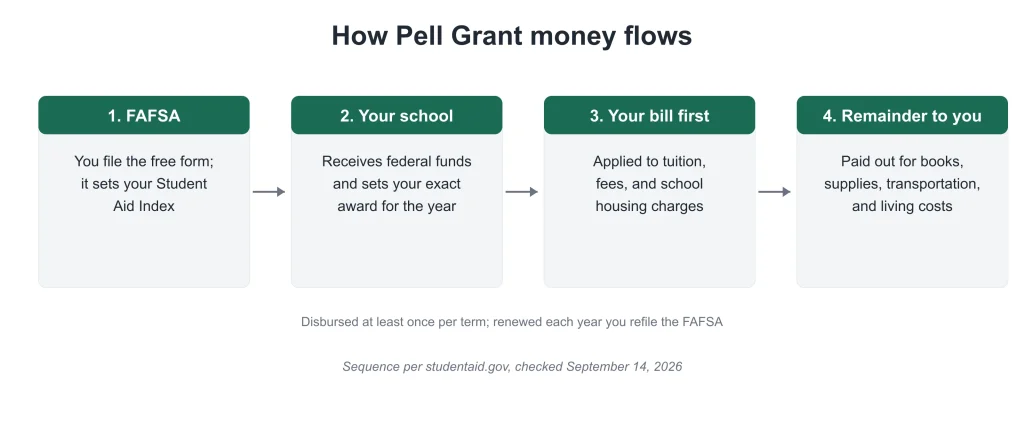
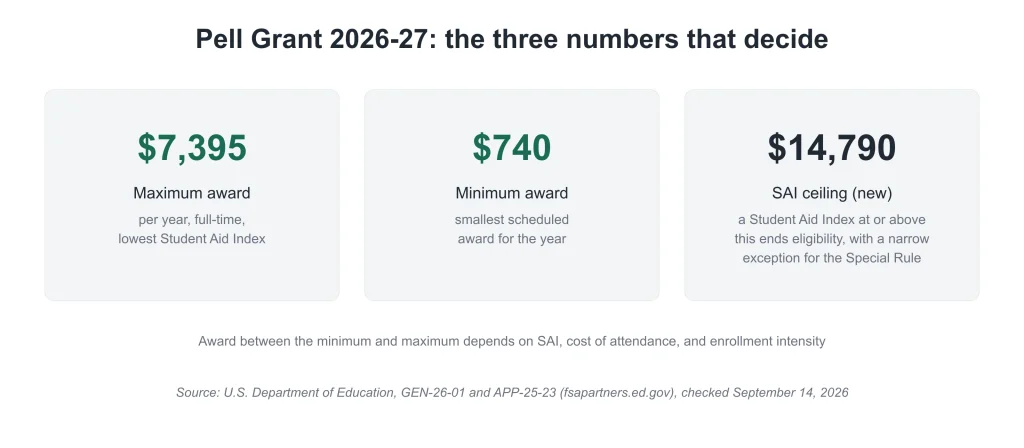
Grants are a form of student financial aid awarded to individuals who meet specific criteria, such as financial need, academic merit, or unique backgrounds. Unlike student loans, grants do not require repayment, making them a top choice for students aiming to minimize college debt. Most grants are funded by federal or state governments, colleges, or private organizations. For example, the Federal Pell Grant is a widely recognized need-based grant for undergraduate students.
What Are Student Loans? Definition & Repayment
Student loans are borrowed funds that must be repaid with interest. These loans can come from the federal government or private lenders, such as banks or credit unions. While student loans can help cover tuition, books, and living expenses, they create a financial obligation after graduation. Repayment typically begins after you leave school or drop below half-time enrollment.
Unlike grants and scholarships, student loans require repayment and often accrue interest over time. For example, federal Direct Subsidized Loans offer lower interest rates and defer interest while you’re in school, while private loans may have higher rates and less flexible terms.
What Are Scholarships? Definition, Types & Examples
Scholarships are financial awards given to students based on academic achievement, talent, or other unique qualities, such as leadership or community service. Like grants, scholarships do not need to be repaid. They are often funded by colleges, private organizations, or foundations.
Scholarships can be merit-based, need-based, or awarded for specific talents, interests, or backgrounds. For example, athletic scholarships reward sports performance, while some scholarships support students pursuing certain majors or from underrepresented groups.
Eligibility Criteria for Grants, Loans, and Scholarships
Eligibility for grants is usually determined by financial need, often assessed through the Free Application for Federal Student Aid (FAFSA) or similar forms. Some grants also consider academic performance, field of study, or demographic factors such as minority status. For a detailed breakdown of who qualifies and how to apply, see our article: [Grant Eligibility Criteria: Who Qualifies & How to Apply for Grants in 2026](grant-eligibility-criteria-who-qualifies-how-to-apply-for-grants-in-2026).
Student loans are generally available to most students, but eligibility for subsidized federal loans depends on demonstrated financial need. Scholarships often have more specific requirements, such as maintaining a minimum GPA, participating in extracurricular activities, or pursuing a particular field. For example, STEM scholarships may require enrollment in science or engineering programs.
Repayment Obligations: Grants vs. Loans vs. Scholarships
Grants and scholarships do not require repayment, making them the most attractive forms of student financial aid. However, some grants have conditions, such as maintaining a certain GPA or completing a program of study. Failing to meet these requirements can result in the grant converting to a loan.
Student loans must be repaid with interest, usually starting after graduation or when a student drops below half-time enrollment. Repayment plans vary, and missing payments can negatively impact your credit score. It’s important to understand the loan terms before accepting.
How to Apply: Grants, Loans, and Scholarships
To apply for grants and federal student loans, students typically complete the FAFSA each year. This form collects financial information to determine eligibility for various financial aid programs. Some state and institutional grants may require additional forms. For more tips on finding and applying for grants, check out our [How to Find and Apply for Grants: Types, Eligibility & Winning Tips](how-to-find-and-apply-for-grants-types-eligibility-winning-tips-2026-guide).
Scholarships often have separate applications, which may include essays, recommendation letters, or interviews. Deadlines and required documents vary widely, so it’s important to stay organized and start early. For a step-by-step guide on applying for grants, visit our article: [Step-by-Step Grant Process Guide: How to Find, Apply, and Win Funding](step-by-step-grant-process-guide-how-to-find-apply-and-win-funding-in-2026).
Frequently Asked Questions: Grants, Loans, and Scholarships
Q: What is the difference between a grant and a loan?
A: Grants do not need to be repaid, while loans must be repaid with interest.
Q: How are scholarships different from grants?
A: Scholarships are typically merit-based, while grants are usually need-based. Both do not require repayment.
Q: Do you have to pay back grants?
A: Generally, no. However, some grants have conditions that, if not met, may require repayment.
Q: Are loans or grants better for students?
A: Grants are preferable since they do not require repayment.
Q: What are the eligibility requirements for grants?
A: Most grants are based on financial need, but some consider academic or demographic criteria. For more details, see our [Grant Eligibility Criteria](grant-eligibility-criteria-who-qualifies-how-to-apply-for-grants-in-2026) guide.
Q: Can you get both a grant and a scholarship?
A: Yes, students can often receive both, depending on eligibility and availability.
About Grants
Find grants and scholarships with our guides.
Visit https://grant.com to start.