13 min read
 08.04.2026
Top 5 Grant Myths in 2026—What’s Actually True? Your Complete Guide to Funding Facts
Overview of Common Grant Myths in 2026
Every year, thousands of individuals and organizations miss out on critical funding opportunities because of widespread misconceptions about grants. In 2026, misinformation about the grant process persists—even though funding sources are becoming more diverse and accessible than ever before. With more digital resources and funding streams available, the potential to find support is significant, but only for those who understand how the process actually works. To expand your awareness of the evolving landscape, consider reading our in-depth piece on the grant landscape in 2026.
These misconceptions discourage many applicants from even trying, lead to costly mistakes, and can cause unnecessary rejections. Recent industry research shows that educating applicants about the realities of grants increases both successful submissions and funding rates. This section highlights the most pervasive myths, helping you approach your grant search and applications with confidence and clarity.
Myth 1: Grants Are ‘Free Money’ for Anyone in 2026
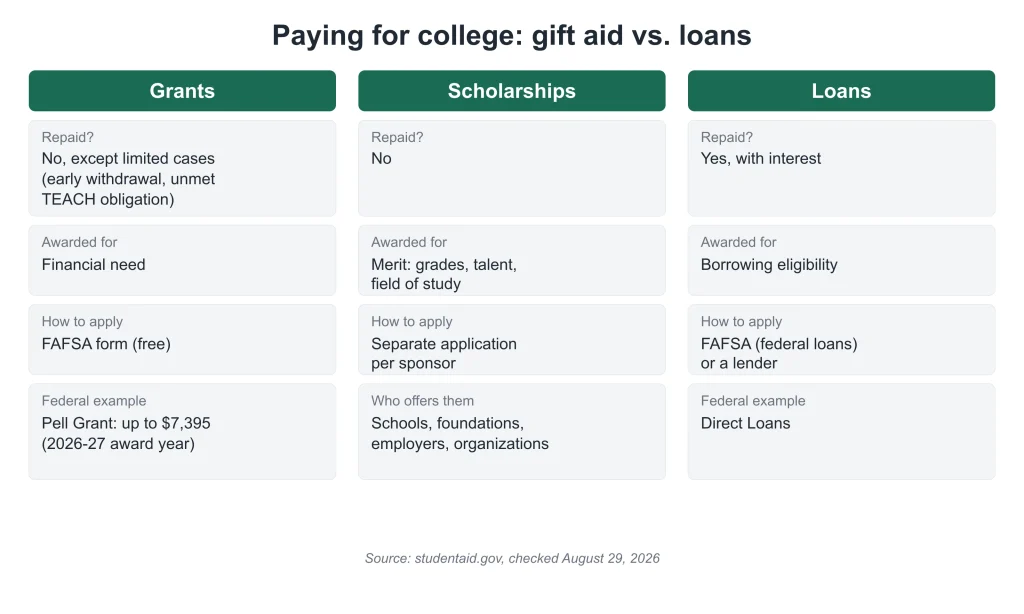
The idea that grants are simply ‘free money’ available to anyone is one of the most damaging myths in 2026. Although grants do not require repayment like loans, they come with strict eligibility criteria, legal regulations, mandatory reporting, and exact guidelines for how funds may be used. Failing to follow these rules leads not only to denied applications, but sometimes to repayment requests or future ineligibility. For more on how grant funding actually works, explore what grant money is and how to win it.
Grants are purpose-driven, provided by federal, state, and private foundations to address specific needs or projects. Misusing grant funds—even unintentionally—may require you to return the money. Worse, it could jeopardize your organization’s credibility or legal standing. Recent compliance audit data from federal agencies indicate that misuse and misunderstanding of grant terms remain among the leading causes of grant enforcement actions.
Grant Funds Are Restricted and Regulated in 2026
All grants come with conditions—such as progress reports, audits, and spending restrictions. Program goals, eligibility, and accountability requirements are meticulously outlined. Applicants must demonstrate the need, intended impact, and ability to deliver results before they receive funding and throughout the project period. More guidance is available from official sources such as Grants.gov: https://www.grants.gov/learn-grants/grant-policies.html.
Myth 2: Only Nonprofits Can Apply for Grants in 2026
While nonprofits frequently receive grants, many programs in 2026 are open to a wide variety of entities. Individuals, small businesses, researchers, educational institutions, and government agencies are all eligible for certain funding programs. Narrowing your search to nonprofits alone can mean missing valuable opportunities. If you’re a business owner, learn how to uncover overlooked options in our guide on finding hidden small business grants.
Programs like the Small Business Innovation Research (SBIR) awards, Fulbright scholarships, and USDA’s value-added producer grants support non-nonprofit applicants. Each program will have its own eligibility criteria and funding priorities. For example, SBIR encourages tech innovation by startups, while Fulbright supports academic research by individuals. This diversity means nearly anyone with a compelling project could find a fitting grant.
Who Can Really Apply for Grants in 2026?
Eligibility varies by grant. In 2026, artists, students, inventors, entrepreneurs, municipalities, and even unincorporated groups may all qualify, depending on the program. Early-career scientists can seek research funding, community groups might pursue development grants, and startups have avenues for innovation support. Explore open calls on university portals: https://research.uoregon.edu/manage/funding/grants-and-funding-opportunities.
Myth 3: Grants Are Easy to Get in 2026
It’s a common misconception in 2026 that grant money is easy to win. Major grantmakers, whether federal agencies or large private foundations, usually have award rates in the single digits. High competition means most applicants will not receive funding on their first attempt. For proven strategies to boost your odds, check out our article on the best kept secrets for winning a grant.
A successful grant application takes serious effort. You’ll need to conduct detailed research, build a realistic project plan, demonstrate impact with compelling data, and assemble a thorough packet of required documents. Industry analysis shows that applicants who invest time in planning and review have higher approval rates compared to those submitting hastily written proposals.
Why the Grant Application Process Is Rigorous in 2026
Grantmakers look for alignment with their mission, demonstrated impact, financial responsibility, and a strong track record of delivering results. Omitted documents, vague proposals, and weak evaluation plans typically lead to rejection. Resources such as Vectors Group’s ‘Common Grant Myths – Debunked!’ lay out common mistakes and how to avoid them: https://vectorsgroup.com/common-grant-myths-debunked/.
Myth 4: You Must Pay for Grant Lists or Applications in 2026
Some applicants in 2026 believe they need to pay fees to access real grant opportunities or apply for funding. In truth, legitimate grants offered by government entities, reputable foundations, or corporations never require an application fee. Fee-based sites and unsolicited offers often signal scams. To ensure you’re applying safely and effectively, read our essential tips on avoiding grant scams and unsafe offers.
True grant opportunities are listed at no cost on official portals such as Grants.gov for federal grants or state and municipal agency websites. Industry watchdogs and government agencies have repeatedly warned that paying for general lists exposes applicants to both wasted money and data security risks.
How to Find Free and Legitimate Grant Opportunities in 2026
Always use trusted directories and official sources. Grants.gov, state department sites, and local city resource pages offer cost-free and comprehensive funding listings. The Federal Trade Commission provides guidance on avoiding scams: https://consumer.ftc.gov/articles/how-avoid-grant-scams.
Myth 5: There Are One-Time Grant Deadlines in 2026
Another persistent myth in 2026 is that you only have a single annual chance to apply for most grants. Many programs actually offer multiple cycles, accept rolling applications, or announce new grant calls year-round. Missing a deadline is not the end—successful grantseekers stay proactive and track future opportunities. For a year-round application planning resource, visit our 2026 grant deadlines calendar.
Staying organized is vital. Most funders post schedules for upcoming cycles and even offer email notifications of new rounds. Through vigilance and regular monitoring of official channels, you can maximize your chances and prepare even better for the next submission window.
How to Track Grant Cycles and Deadlines in 2026
Utilize digital calendars, subscribe to email alerts, and bookmark leading grant directories like Grants.gov or Foundation Directory Online to track open and upcoming opportunities. Federal and state platforms even provide automated reminders of pending deadlines: https://www.grants.gov/web/grants/applicants/subscription-notifications.html.
Frequently Asked Questions (2026)
What are the most common grant myths in 2026?
The most common grant myths in 2026 include beliefs that grants are ‘free money’ for anyone, only nonprofits can apply, grants are easy to get, you must pay for grant lists or applications, and that grant deadlines are one-time annual events. These misconceptions often prevent deserving applicants from pursuing or winning funding.
Is it true that grants are free money in 2026?
No. While grants do not require repayment, every grant comes with eligibility, use, and reporting restrictions. Funds must be spent for approved purposes, and recipients must follow rules or risk having to return the money—even facing legal action for non-compliance.
Can individuals apply for grants, or are they only for nonprofits in 2026?
Individuals, businesses, researchers, students, and other entities can often apply for grants in 2026, depending on the program. Many scholarships, research grants, and business innovation grants are open to non-nonprofit applicants. Always check the eligibility criteria for each opportunity.
Do I need to pay to find or apply for grants in 2026?
No. Legitimate grant opportunities do not charge application fees or require you to pay for access to listings. Use official sites like Grants.gov and trusted university or government portals to find genuine grants for free.
Are grants easy to get in 2026?
No. Most reputable grant programs are highly competitive, with detailed application requirements and rigorous review processes. Success relies on preparation, eligibility, clarity, and persistence.
Conclusion (2026)
In 2026, persistent myths about grants continue to negatively affect the strategies of grant seekers. It is crucial to understand that grants are not guaranteed and do not represent ‘free money’ for anyone. The assumption that only nonprofits can apply or that winning a grant is a simple process limits your options and can hold back promising projects. Equally important is recognizing that genuine grant listings are always accessible for free—paying for information or access often leads to scams or wasted time.
Consistency is key when it comes to tracking deadlines. Missing one grant cycle does not mean you are shut out forever. Many programs offer multiple rounds, and staying informed ensures you can reapply with a stronger proposal next time.
To maximize your success, seek trustworthy advice, monitor official channels, and focus on diligent preparation. By debunking these misconceptions, you can compete more effectively and secure funding that makes a real difference.
Take advantage of our step-by-step guides and resources to turn knowledge into action and elevate your funding strategy.
Ready to overcome grant myths and maximize your funding success in 2026? Start your journey with our complete guides to applying for and winning top grant opportunities now.
About Grants (2026)
Find grants with our guides.
Visit https://grants.com/wizard to start.