5 min read
 12.02.2026
Government Grants vs. Private Foundation Grants (2026): Key Differences, Eligibility & How to Apply

Government Grants vs. Private Foundation Grants: Definitions & Key Differences
Government grants in 2026 are financial awards provided by federal, state, or local agencies to support public projects, research, nonprofits, businesses, and sometimes individuals. These government funding opportunities aim to advance public interests, such as education, infrastructure, or scientific innovation. For a deeper understanding of what constitutes a grant, see our guide on the definition, types, and eligibility: [What is a Grant? Definition, Types, Eligibility & How to Apply (2026 Guide)](/what-is-a-grant-definition-types-eligibility-how-to-apply-2026-guide).
In contrast, private foundation grants are distributed by nonprofit organizations funded by individuals, families, or corporations. Foundation grants often focus on specific causes, such as youth development, the arts, or local community needs. Their giving is guided by a defined mission and philanthropic goals.
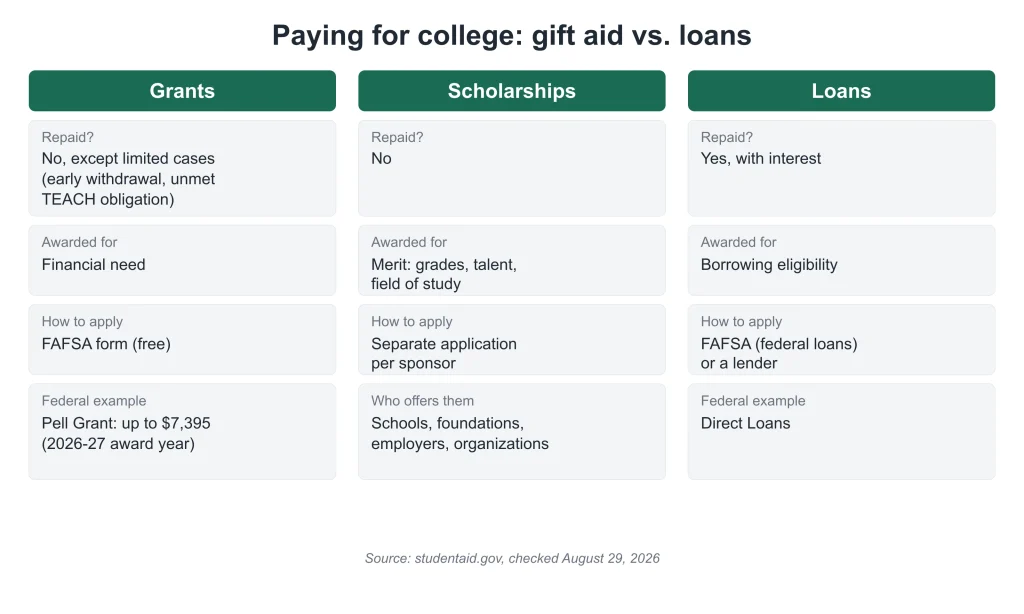
While both government and foundation grants provide funding that does not require repayment, their sources, priorities, and oversight mechanisms differ. Recognizing these distinctions is essential for grant applicants seeking the most suitable funding opportunity.
Eligibility Criteria: Government Grants vs. Foundation Grants
Eligibility for government grants in 2026 remains broad, encompassing nonprofits, businesses, educational institutions, and occasionally individuals. These grants often target projects with public benefit, such as workforce training or environmental research. However, applicants must adhere to strict federal or state regulations, including compliance with anti-discrimination laws and financial transparency. For a comprehensive breakdown of who qualifies and how to apply, visit our guide on [Grant Eligibility Criteria: Who Qualifies & How to Apply for Grants in 2026](/grant-eligibility-criteria-who-qualifies-how-to-apply-for-grants-in-2026).
Private foundation grants, on the other hand, typically set narrower eligibility requirements. Foundations may restrict funding to organizations serving a specific region, population, or issue area. For example, a family foundation might only support after-school programs in rural communities. Mission alignment is crucial, and foundations often seek projects that closely reflect their values or strategic priorities.
Application Process: Comparing Government and Foundation Grants
Applying for government grants in 2026 usually involves a multi-step process. Applicants must submit detailed proposals, comprehensive budgets, and extensive documentation to demonstrate capacity and compliance. The process is highly structured, with fixed deadlines and formal review panels. For instance, federal grants often require registration on digital platforms like Grants.gov and adherence to standardized formats. For a step-by-step walkthrough, check out our [Step-by-Step Grant Process Guide: How to Find, Apply, and Win Funding in 2026](/step-by-step-grant-process-guide-how-to-find-apply-and-win-funding-in-2026).
Private foundation grant applications tend to be more flexible. Many foundations accept shorter proposals, letters of inquiry, or even invite direct outreach. The process may be less bureaucratic, but competition can be fierce due to limited funding pools. Building relationships or having prior connections with foundation staff can significantly improve an applicant’s chances. Some foundations also offer rolling deadlines or invite-only opportunities, streamlining the process for select applicants.
Funding Amounts & Duration: Government vs. Foundation Grants
Government grants generally provide larger funding amounts and support projects over longer periods. Multi-year awards are common, especially for research, infrastructure, or community development initiatives. This stability allows organizations to plan and scale their work effectively. For example, a federal STEM education grant might fund a five-year program across multiple schools.
In contrast, private foundation grants are often smaller and typically awarded for one year. Some foundations, however, offer multi-year commitments or renewal opportunities for projects that demonstrate strong results. While the funding may be less, foundations can provide critical seed money for innovative or pilot projects that might not qualify for government support.
Reporting & Compliance Requirements for Grants in 2026
Recipients of government grants in 2026 face rigorous reporting and compliance standards. Detailed financial tracking, progress reports, and adherence to regulations are mandatory. Noncompliance can result in penalties, audits, or loss of funding. For example, federal grants may require quarterly financial statements and annual performance reviews. For more on compliance and reporting, see our [Grant Management Best Practices: How to Track, Report, and Stay Compliant in 2026](/grant-management-best-practices-how-to-track-report-and-stay-compliant-in-2026).
Private foundation grants also require reporting, but the process is often more tailored and less formal. Foundations may request narrative updates, success stories, or outcome summaries rather than exhaustive financial audits. This flexibility allows grantees to focus on impact, though some larger foundations are increasing their oversight to ensure accountability.
2026 Trends: Government and Foundation Grant Funding
In 2026, government grants are increasingly prioritizing technology, climate resilience, health innovation, and equity. Digital application platforms and data-driven evaluation methods are now standard, streamlining the process and improving transparency. For example, many agencies use AI tools to screen applications and monitor project outcomes. To stay updated on the latest trends, read our [2026 Grant Funding Trends: Top Sectors, Opportunities & How to Win Grants](/2026-grant-funding-trends-top-sectors-opportunities-how-to-win-grants).
Private foundations are also evolving. There is a growing emphasis on collaboration, unrestricted funding, and support for underrepresented groups. Many foundations are experimenting with trust-based philanthropy, reducing administrative burdens and offering grantees more flexibility. Both sectors are adapting to address complex social and economic challenges, often working together on cross-sector initiatives.
About Grants
Find grants with our guides.
Visit https://grant.com to start.