


 4 min read
 23.01.2026
Grant Application Review Process: Timeline, Status Tracking & Common Delays (2026 Guide)

Grant Application Review Process: Step-by-Step Overview
After submitting your grant application, it enters a structured, multi-phase review process. Most funders—whether government agencies or private foundations—use several steps to ensure fairness and transparency. Initially, your application is screened for eligibility and completeness. Applications missing required information or not meeting basic grant criteria are often rejected at this stage.
If your application passes the initial check, it moves to a detailed evaluation by subject matter experts or a review panel. Reviewers assess grant proposals based on criteria such as project relevance, feasibility, budget accuracy, and alignment with the funder’s mission. For example, the National Institutes of Health (NIH) often uses external peer reviewers who score applications independently before a panel discussion. To learn more about how grant applications are evaluated and scored, see our detailed guide on the grant review process.
Some grant programs, like those from the Department of Energy or the National Science Foundation, may require interviews or presentations as part of the process. While the exact steps can vary, the core sequence typically includes eligibility screening, technical review, scoring, and a final funding decision.
Typical Grant Application Timelines After Submission
The time between grant application submission and decision varies widely by grant type and organization. Government grants often take several months, while some private foundations may respond more quickly or take longer, depending on their internal schedules and the number of applications received.
For instance, the Department of Energy’s SBIR/STTR programs usually notify applicants within 90 days, but some federal grants can take up to six months. Private funders like Open Society Foundations may have rolling deadlines and provide updates at different intervals. Always consult the specific grant guidelines for estimated timelines, and consider reaching out to the funder if you need clarification. If you’re wondering how long it typically takes to get a grant, check out our comprehensive guide on grant application timelines.
Common Reasons for Grant Application Delays
Delays in the grant review process are not unusual. High application volumes can slow down reviews, especially during peak funding cycles. Incomplete or unclear proposals, missing documentation, or requests for additional information can also extend the timeline.
External factors, such as changes in funding priorities, budget freezes, or administrative backlogs, may impact how quickly decisions are made. To help avoid delays, double-check your application for completeness and accuracy, and submit all required materials before the deadline. Respond promptly to any requests from the grant provider. For more tips on avoiding common grant application mistakes, see our expert advice.
How to Track Your Grant Application Status
Most grant providers now offer online portals where you can monitor your grant application status. After submitting, you typically receive a confirmation email with a tracking number or login credentials. Use these tools to check for updates, respond to requests, or upload additional documents. For a step-by-step guide on tracking your grant application status online, see our dedicated article.
If an online system is unavailable, contact the grant administrator directly for updates. Keep copies of your submission, confirmation emails, and any correspondence. This documentation can be helpful if questions arise or if you need to reference your application in the future.
Communication from Grant Providers: What to Expect
Grant providers usually communicate important updates via email or through their application portal. Notifications may include requests for more information, updates on your application’s progress, or the final decision.
If your application is not selected, expect a formal rejection notice. Some funders, such as GrantWatch.com, may provide feedback or suggestions for future submissions, while others may not disclose specific reasons. Constructive feedback can be valuable for strengthening future applications. To understand the top reasons grant applications get rejected and how to avoid them, read our in-depth guide.
Next Steps if Your Grant Application Is Successful
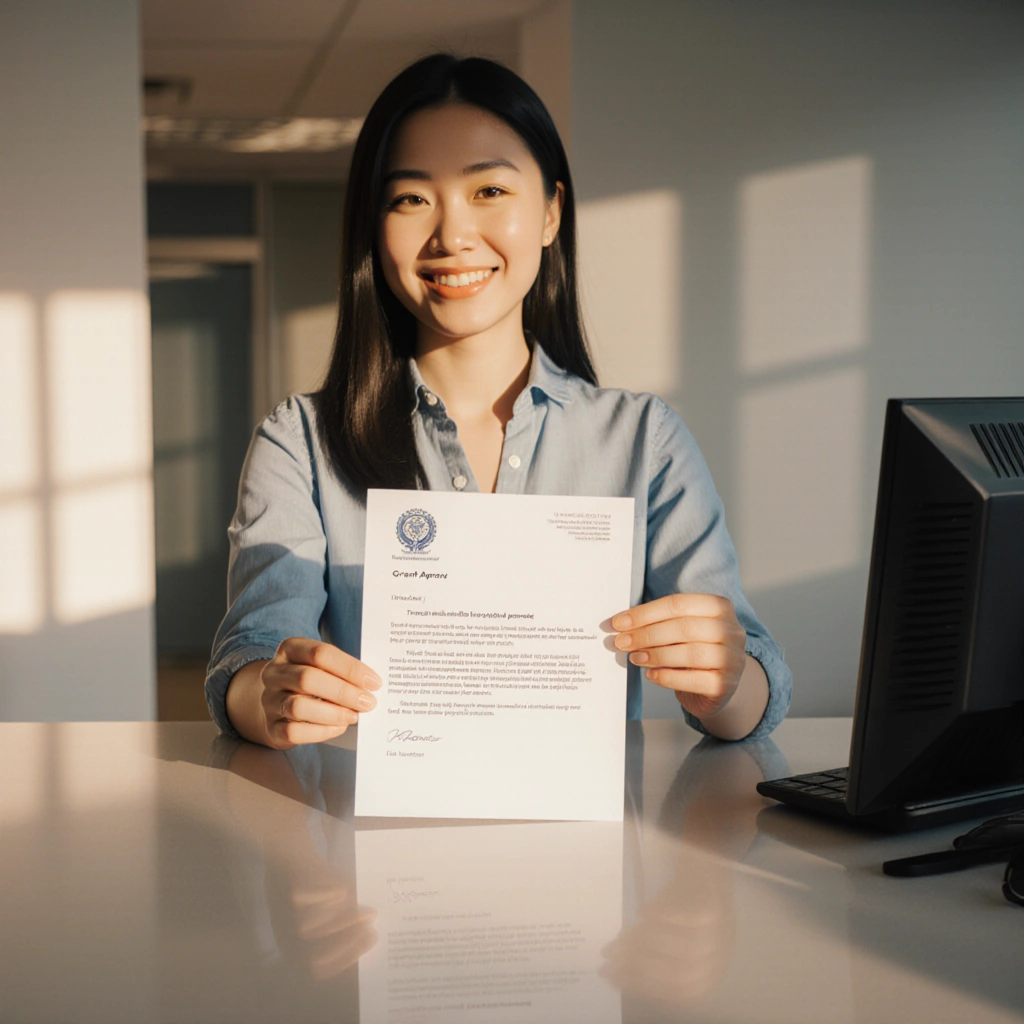
If your application is approved, you will receive an official award letter outlining the terms, funding amount, and reporting requirements. You may need to sign a grant agreement, submit additional documentation, or attend an orientation session before funds are released.
After accepting the grant, follow all reporting guidelines and submit regular progress updates as required. Compliance with the funder’s requirements is essential for continued funding and future eligibility. Carefully review all instructions and reach out to the grant officer if you have questions about your responsibilities. For best practices on grant management and compliance, see our complete guide.
About Grants
Find grants with our guides.
Visit https://grant.com to start.
Recent Posts


How to Maximize Grant Funding for Educational Programs in 2026: Proven Strategies for Winning More Grants


Essential Steps for Nonprofits Seeking International Grants in 2026: Expert Guide to Global Funding Success





Share This Post


