5 min read
 07.03.2026
Essential Grant Application Documents: What You Need for Federal, State, Foundation & Business Grants (2026 Guide)

Understanding Grant Types and Documentation Differences
Grant opportunities vary widely. Federal, state, foundation, corporate, and local community grants each have their own documentation requirements. It’s crucial to recognize the type of grant you are targeting, as the documents you need can differ significantly.
Federal grants typically require comprehensive financial and organizational records. State, corporate, or private foundation grants may focus more on impact stories, streamlined proposals, or providing evidence of need. For students and individuals, documentation often includes personal statements, academic records, and proof of eligibility. Always review the funder’s specific guidelines before gathering your materials.
To further understand the distinctions, review our guide on the differences between government grants and private foundation grants for insights on eligibility and documentation requirements.
Curious about the types of grants available? Our complete guide to top grant types in 2026 can help you navigate the funding landscape.
General Required Documents for Grant Applications
Several core documents are necessary for most grant applications, regardless of the funding source. Collecting these in advance saves time and helps present your organization or yourself as prepared:
– Cover letter or letter of intent
– Completed application form
– Grant proposal or narrative detailing goals, impact, and approach
– Detailed project or organizational budget
– Evidence of nonprofit or tax-exempt status (such as an IRS determination letter)
– Most recent financial statements (preferably audited if possible)
Having these materials organized improves your chances at the first stage of review. According to industry experts, a complete documentation packet is often a deciding factor in advancing your application.
You may also find our comprehensive grant application checklist useful to make sure you don’t overlook any key documents when preparing your package.
Grant-Specific Documentation (Federal, State, Foundation, Corporate)
Different grant sources demand distinct documentation. Federal grants require a DUNS number, SAM.gov registration, and detailed financial records. You’ll likely need to submit documents such as indirect cost agreements, a list of your board of directors, and signed assurances.
State grants frequently call for proof of good standing, compliance with local reporting, and sometimes letters of support from community stakeholders.
Foundation and corporate grants may streamline requirements but still often request program descriptions, logic models, and outcomes of previous work.
Always study the funder’s checklist and upload documents in the requested format, typically PDFs. Double-check file size restrictions and make sure all attachments meet portal requirements.
If you’re new to the grant application process, our step-by-step guide for 2026 funding success outlines the critical steps to take for a winning submission.
For more on the federal grant submission process and common pitfalls, check our article on avoiding documentation errors to secure funding.
Supporting Information for Nonprofit Organizations
Nonprofits must demonstrate both credibility and the ability to deliver impact. Key supporting documents usually include:
– IRS 501(c)(3) determination letter
– List of board members with affiliations and contact details
– Most recent IRS Form 990 filing
– Annual report or summary of recent achievements and activities
– Letters of support or partnership commitments
– Up-to-date strategic plan or logic model
Well-organized supporting information not only meets funder requirements but also sets your application apart.
Nonprofits looking for funding trends and new opportunities should consult our nonprofit grants outlook for top trends and key application strategies.
Personal Documents for Individuals and Students
Individuals and students often need to submit the following when applying for grants or scholarships:
– Personal identification such as a passport, driver’s license, or government-issued ID
– Social Security Number or equivalent identification for non-citizens
– Academic transcripts or proof of current enrollment
– Letters of recommendation
– Resume or CV
– Personal statement or essay describing your goals and need for funding
– Documentation of eligibility or financial need
Certain grants, especially for artists or researchers, may also ask for portfolios or samples of past work. Always keep these documents current and aligned with the funder’s preferred format.
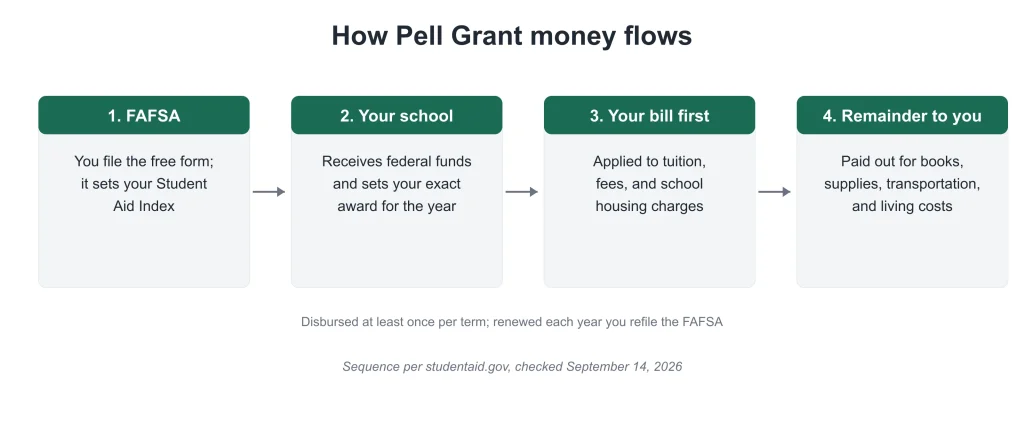
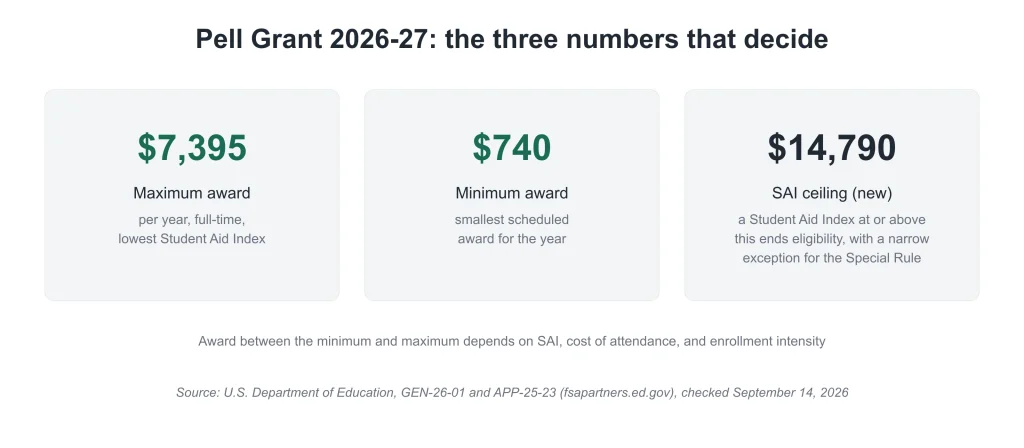
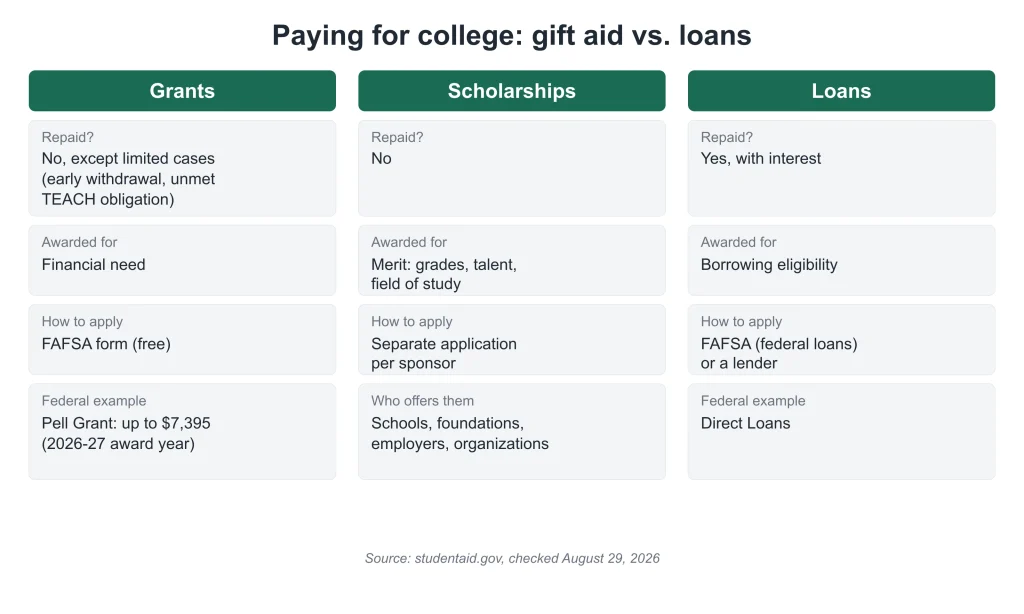
Students seeking more guidance can explore our complete guide to student grants for deadlines, aid, and documentation requirements.
Key Financial Records for Businesses Applying for Grants
Businesses, especially startups and small enterprises, must provide specific financial documentation, including:
– Business registration documents and Employer Identification Number (EIN) certificate
– Active business licenses
– Financial statements: balance sheet, income statement, and cash flow statement for at least the past two years
– Business plan, marketing strategy, or pitch deck
– Tax returns from recent years
– In some cases, an owner’s personal financial statement
Accurate and transparent financial records are essential. Incomplete or outdated bookkeeping is a leading reason why business grant applications are declined.
If you’re looking for grant opportunities and detailed requirements for small businesses, check out our ultimate guide to small business grants and what documents you’ll need.
About Grants
Find grants with our guides.
Visit https://grants.com/wizard to start.