5 min read
 23.01.2026
How to Find and Apply for Grants in 2026: Types, Eligibility, and Winning Tips

Understanding the Types of Grants
Grants are financial awards provided by governments, private organizations, nonprofits, and research institutions to support specific projects, individuals, or organizations. The most common types of grants include government grants (such as SASSA social grants or federal research funding), private foundation grants, nonprofit grants, education grants like scholarships and bursaries, and business grants for startups or expansions. For a deeper dive into the different types of grants and their definitions, see our comprehensive guide on what is a grant: definition, types, eligibility, and how to apply.
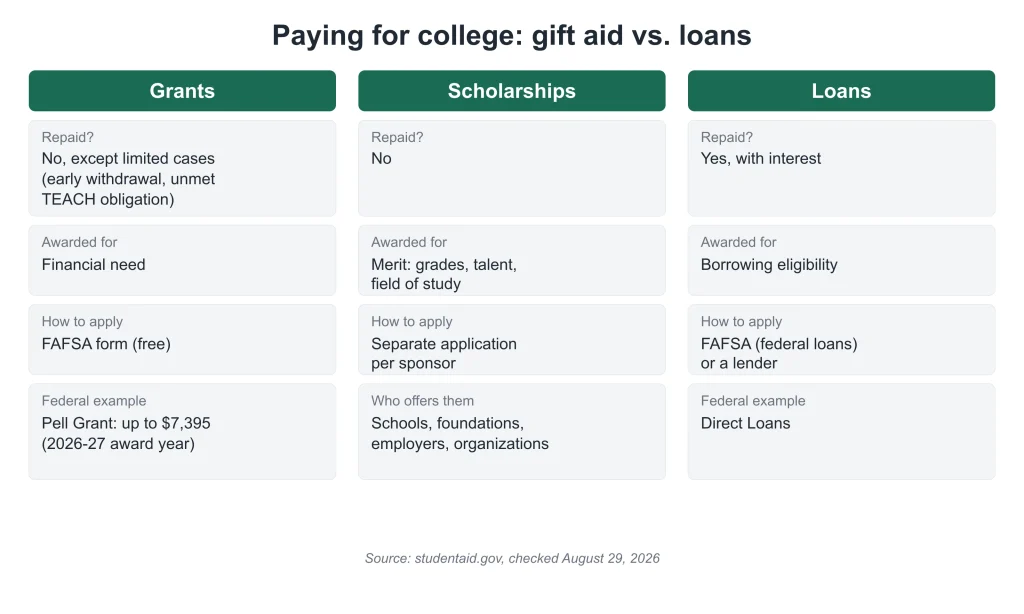
Each grant type has its own eligibility rules and application process. For example, government grants may target social welfare or scientific research, while private foundations often focus on community development or innovation. Before applying, clarify which type of grant best matches your goals. This step will help you focus your grant search and avoid wasted effort. If you want to compare grants, loans, and scholarships, check out our article on key differences and eligibility.
Grant Eligibility Requirements: Who Qualifies?
Eligibility criteria for grants differ widely based on the grant provider and purpose. Common requirements include citizenship or residency, organizational status (such as nonprofit, business, or individual), alignment with the funder’s mission, and sometimes financial need or specific demographics. For a detailed breakdown of who qualifies and how to apply, read our guide on grant eligibility criteria.
Always check the eligibility details on the grant provider’s official website. For example, SASSA grants require South African citizenship and proof of income, while the ERC Consolidator Grant expects a strong academic track record. Many grants also have age, location, or project-specific requirements. Applications that do not meet all criteria are often rejected automatically. For more on how to qualify for grants, see our article on how to qualify for grants in 2026.
How to Find the Right Grant Opportunities
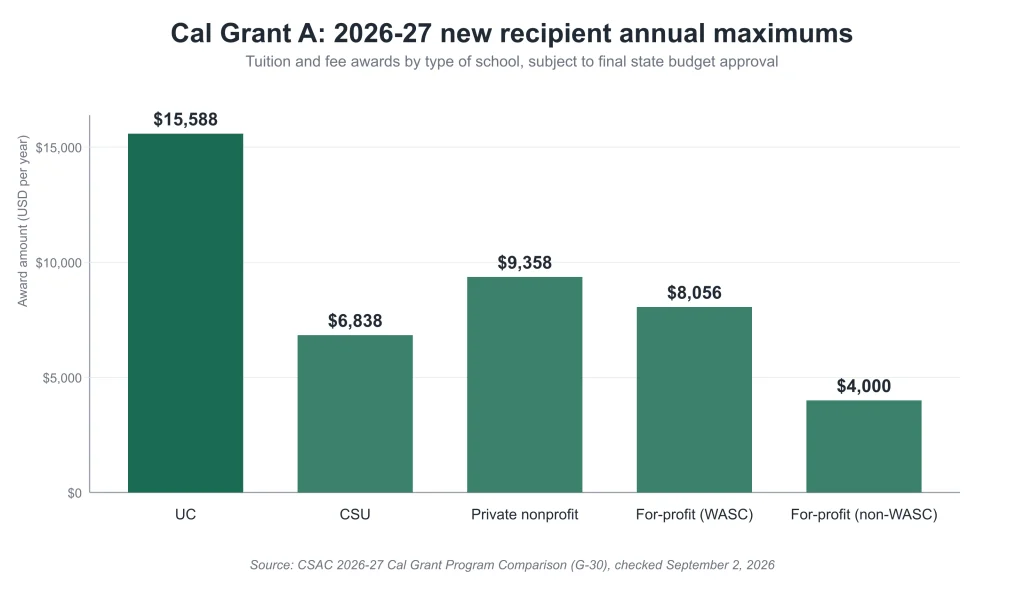
Begin your grant search by looking for opportunities that match your needs and qualifications. Official databases like Grants.gov (for US federal grants), SASSA (for South African social grants), and sector-specific sites such as CSAC for education or the ERC for research funding are excellent starting points. For a step-by-step process on how to find and apply for grants, check out our complete guide.
Carefully read each grant’s guidelines to ensure your project or organization fits the funder’s priorities. Many applicants benefit from subscribing to grant newsletters or using search tools to stay updated on new opportunities. Networking with peers in your field can also reveal lesser-known grants. If you’re looking for hidden or little-known funding opportunities, see our article on hidden grants.
Preparing Essential Grant Application Documents
Most grant applications require specific documents. Commonly requested items include proof of identity, organizational registration, financial statements, project plans, and letters of support. Education grants may also ask for transcripts and proof of enrollment. For a complete checklist of essential grant application documents, see our expert guide.
Gather these documents early and ensure they are current. Missing or outdated paperwork is a leading cause of rejection. Consider creating a digital folder with all required files for quick access during the application process.
How to Write a Successful Grant Proposal
A compelling grant proposal clearly outlines your project, its goals, expected impact, and how you will use the funds. Always follow the funder’s guidelines and address every required section. Use clear, concise language and avoid jargon. For step-by-step instructions, see our guide on how to write a winning grant proposal.
Demonstrate how your project aligns with the grant’s objectives. Include a realistic budget and define measurable outcomes. Proofread your proposal thoroughly, and if possible, ask a colleague or mentor to review it before submission. Strong proposals often include data or testimonials to support your case. For more expert tips, read our article on grant proposal writing.
Common Grant Application Mistakes to Avoid
Many applicants make avoidable errors, such as submitting incomplete applications, missing deadlines, or failing to follow instructions. Each application should be tailored to the specific grant; avoid using generic proposals. For a list of common mistakes and how to avoid them, see our article on 7 common grant application mistakes.
Double-check all eligibility requirements and documentation before submitting. Not addressing the funder’s priorities or submitting a poorly written proposal are frequent reasons for rejection. Set reminders for deadlines and keep a checklist to track your progress. For more reasons why grant applications get rejected, read our guide on top reasons grant applications get rejected and how to avoid them.
Frequently Asked Questions About Grants
**How do I apply for a grant?**
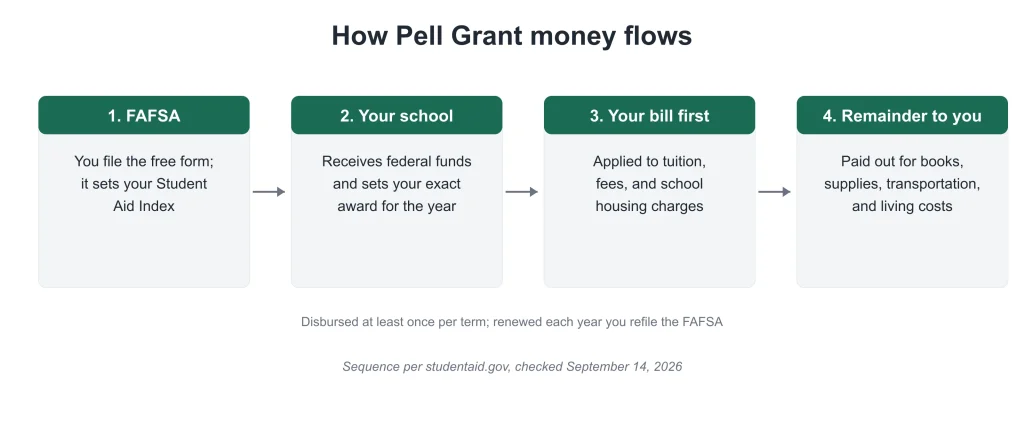
Start by identifying suitable grants, reviewing eligibility, gathering required documents, and submitting a tailored application or proposal through the funder’s official portal. For a detailed, step-by-step process, see our guide on the grant process.
**What documents do I need to apply for a grant?**
Typical documents include identification, financial records, project plans, and supporting letters. Requirements vary by grant. For a complete checklist, visit our essential grant application documents guide.
**Where can I find grants to apply for?**
Use official sites like Grants.gov, SASSA, CSAC, SUSI, and ERC, or search sector-specific databases. For tips on finding grants that fit your project, check out our step-by-step guide.
**What are the eligibility criteria for grants?**
Criteria depend on the grant but often include citizenship, organizational status, project alignment, and sometimes financial need. For more details, see our grant eligibility criteria guide.
**How do I write a grant proposal?**
Follow the funder’s guidelines, clearly state your goals and impact, provide a detailed budget, and proofread your application. For expert advice, read our grant proposal writing tips.
**What are common mistakes when applying for grants?**
Missing deadlines, incomplete documentation, not following instructions, and submitting generic proposals. For more on avoiding mistakes, see our article on common grant application mistakes.
About Grants
Find grants with our guides.
Visit https://grant.com to start.